Almost everyone who has complained that their pot roast got tougher the longer it cooked was telling the truth. Two things happen at once in a chuck roast and they run on different schedules. Above about 140F the muscle fibers contract and squeeze out moisture, so the meat becomes drier and firmer. Meanwhile the connective tissue holding those fibers together only begins converting to gelatin somewhere around 160F, and that conversion takes hours, not minutes.
So the roast passes through a genuinely bad phase on the way to a good one. At two hours it is drier and tougher than it was at ninety minutes. At four hours enough collagen has become gelatin that the fibers slide apart and the gelatin coats them, and it reads as tender and moist again. If a pot roast is tough, the answer is almost always more time rather than less. Eleven recipes here, from just under two hours to eight and a half.
Slow Cooker Pot Roast
Four, all of them eight hours or so, which is the method that makes the collagen window easy: there is no way to pull it out of the bad phase by accident. Do not submerge the roast. Liquid a third to halfway up is right, since a fully covered roast is boiled beef with a diluted sauce around it.
Three Packet Pot Roast with Vegetables
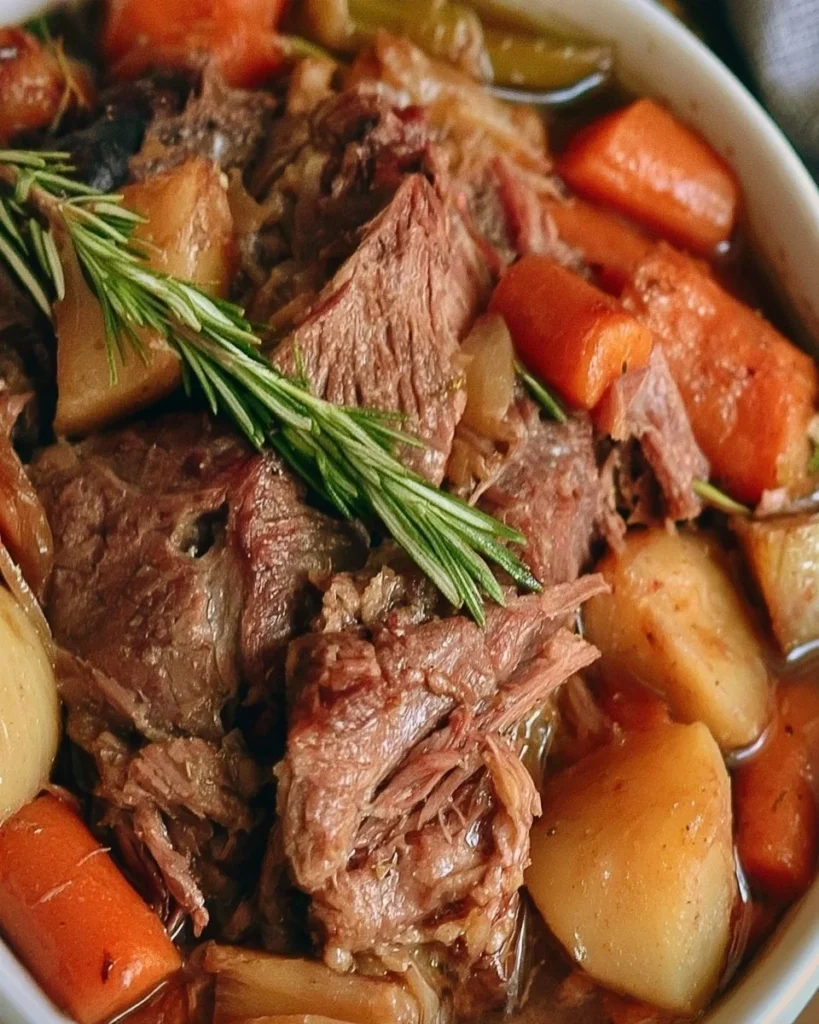
Nine ingredients, the shortest list on this page, over eight hours fifteen, the quickest in this group, eight servings at 425 calories, the lightest here and the most portions on this page. View the full recipe — 495 minutes, serves 8, 425 calories
Crockpot Pot Roast with Mushrooms
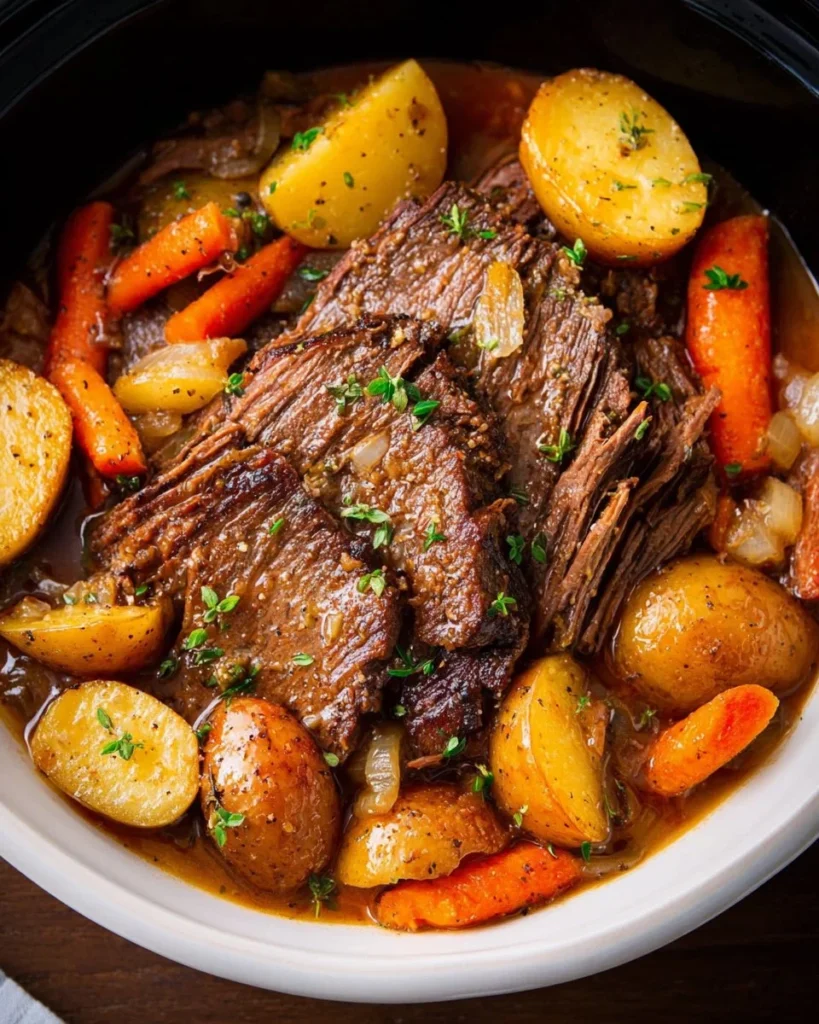
Fifteen ingredients, the most in this group, over eight hours twenty, six servings at 517 calories. View the full recipe — 500 minutes, serves 6, 517 calories
Crock Pot Chuck Roast with Potatoes and Carrots

Ten ingredients over eight hours twenty, six servings at 606 calories. View the full recipe — 500 minutes, serves 6, 606 calories
Yukon Gold Crock Pot Roast
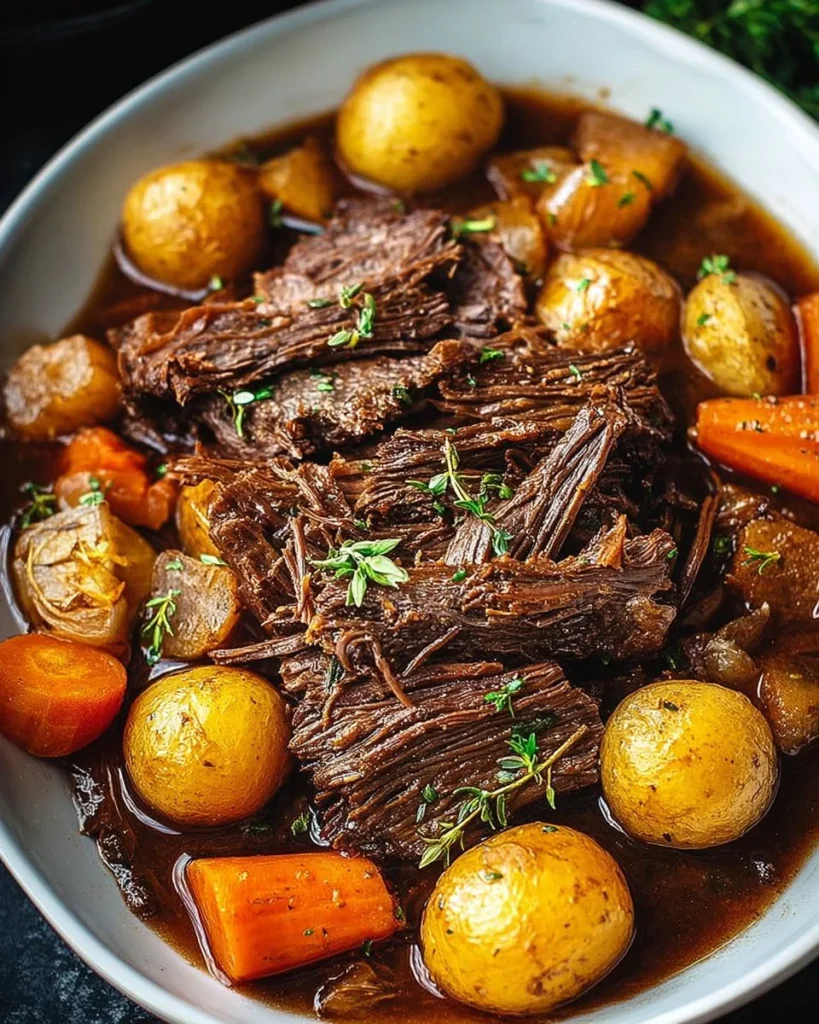
Eleven ingredients over eight hours twenty five, the longest in this group, six servings at 696 calories, the heaviest here. Yukon Golds hold together over eight hours where russets dissolve. View the full recipe — 505 minutes, serves 6, 696 calories
Oven, Instant Pot and Balsamic
Three faster routes. A pressure cooker gets there in under two hours because raising the pressure raises the boiling point to around 250F, and collagen converts much faster at that temperature. The trade is browning: you have to sear before you seal the lid, since nothing browns in a sealed wet environment.
Instant Pot Chuck Roast with Potatoes and Carrots
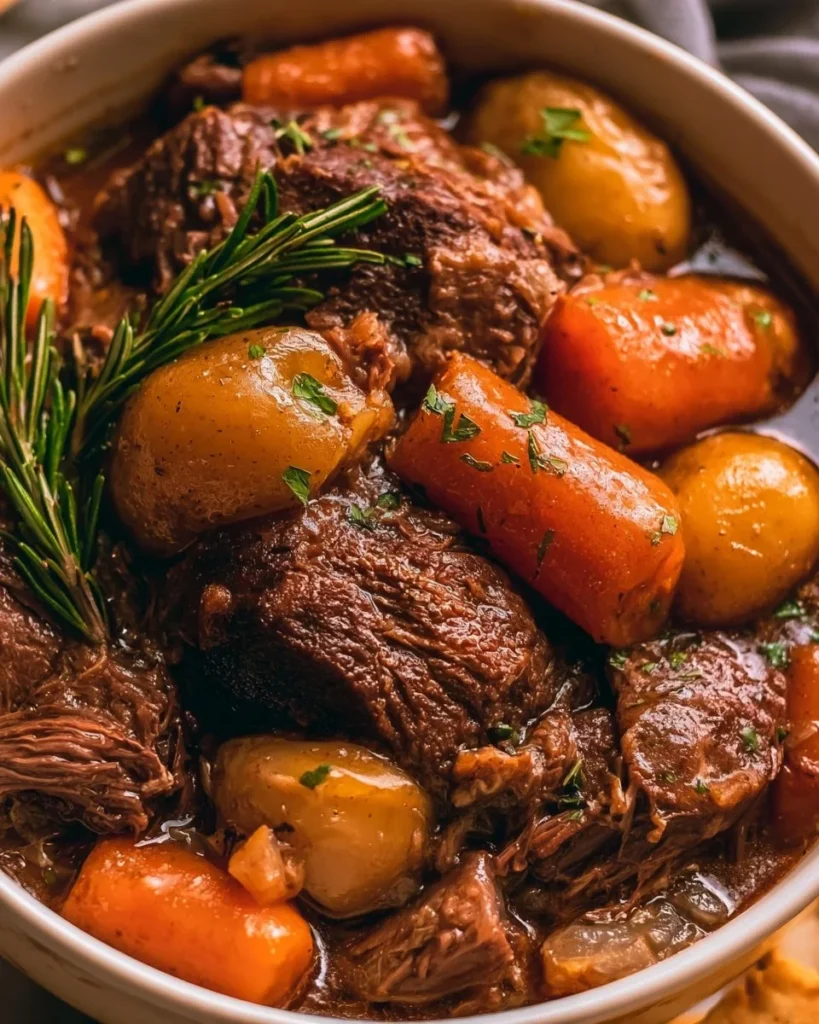
Thirteen ingredients, tied for the fewest in this group, in an hour fifty five, the quickest recipe on this page, six servings at 630 calories, the lightest of the three. View the full recipe — 115 minutes, serves 6, 630 calories
Balsamic Pot Roast with Rich Gravy
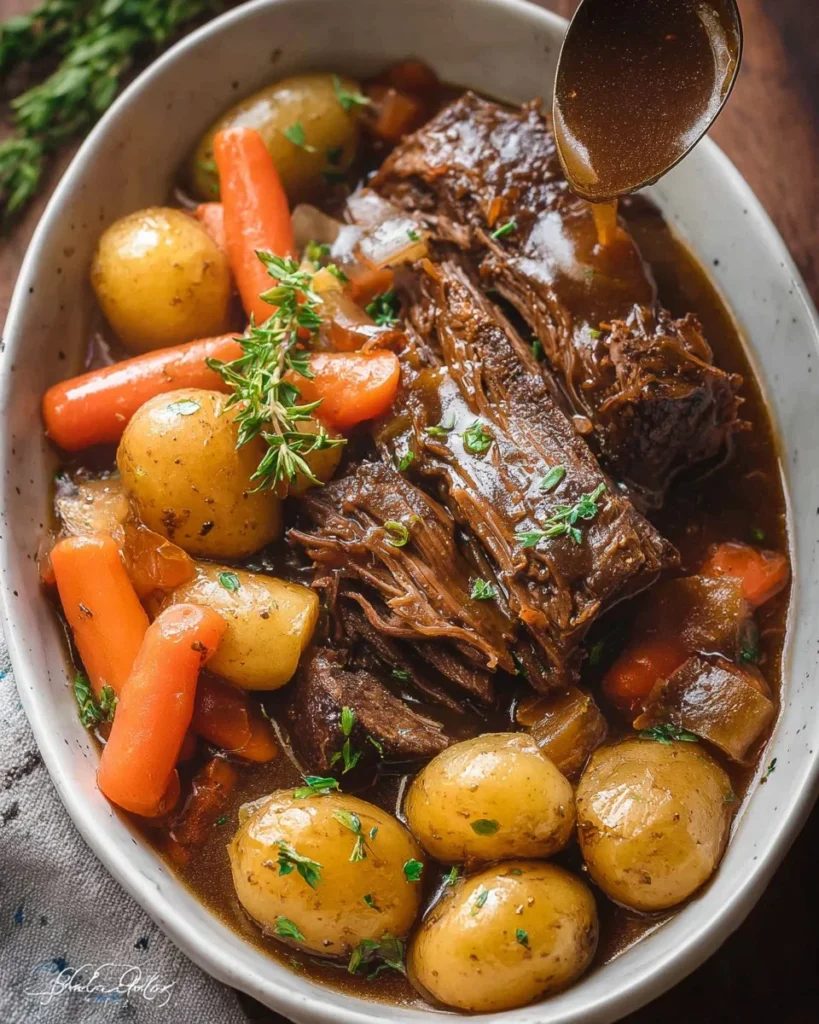
Eighteen ingredients, the longest list on this page, in three hours fifty five, tied for the longest in this group, six servings at 632 calories. Balsamic brings acid and sugar, and acid does help break down connective tissue at the surface. View the full recipe — 235 minutes, serves 6, 632 calories
Oven Braised Chuck Roast
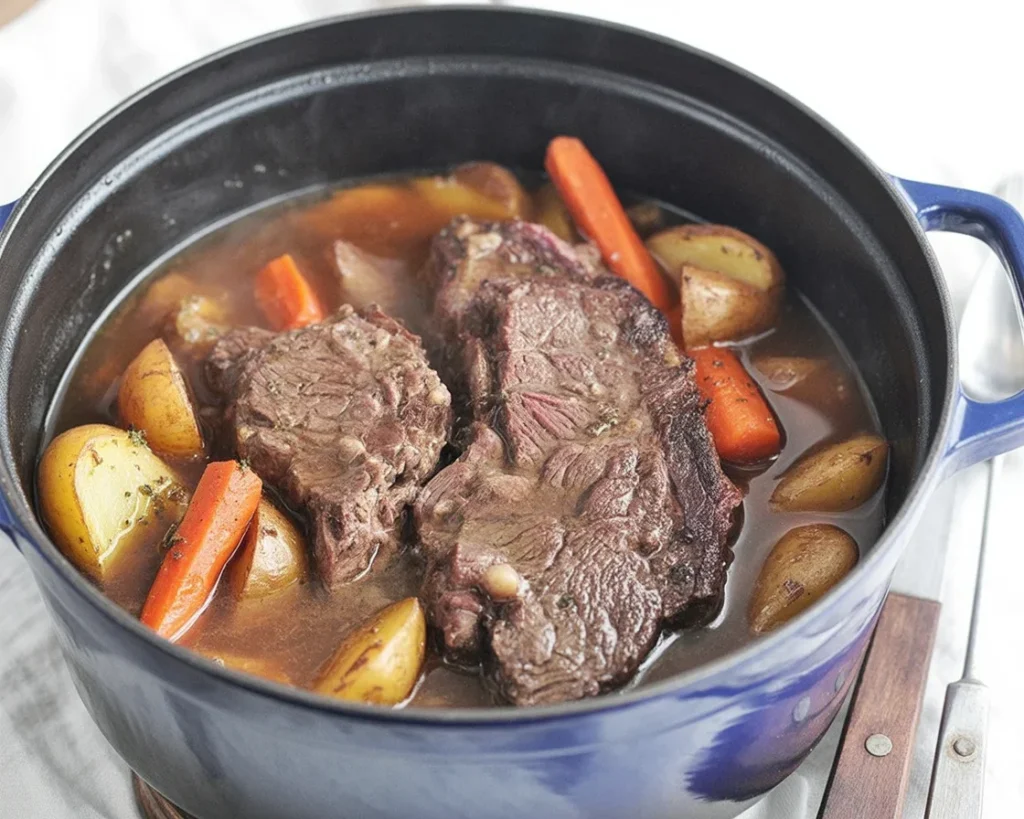
Thirteen ingredients, tied for the fewest in this group, in three hours fifty five, tied for the longest here, six servings at 745 calories, the heaviest of the three. An oven braise gives the best browning of any method here, since the exposed top of the roast is in dry heat. View the full recipe — 235 minutes, serves 6, 745 calories
Chuck Roast Beyond Pot Roast
Four more that use the same cut for other things, and chuck is the right choice in all of them for the same reason: it is cheap, heavily marbled, full of connective tissue, and it rewards long cooking rather than merely surviving it.
Texas Chuck Roast Chili

Fifteen ingredients, tied for the most in this group, in three hours ten, six servings at 413 calories, the lightest recipe on this page. Cubed chuck rather than ground beef, which is what Texas chili traditionally means. View the full recipe — 190 minutes, serves 6, 413 calories
Slow Cooker Chuck Roast Stew
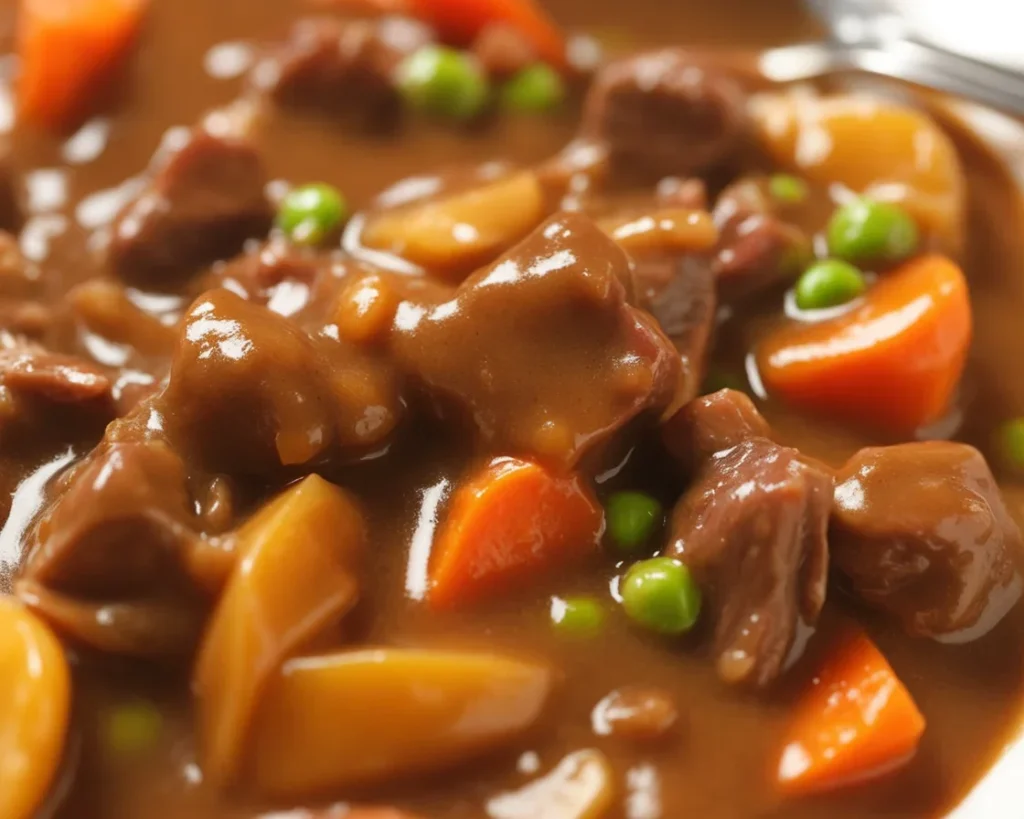
Sixteen ingredients over eight and a half hours, the longest recipe on this page, six servings at 432 calories. View the full recipe — 510 minutes, serves 6, 432 calories
Thai Red Curry Pot Roast Chicken with Potatoes
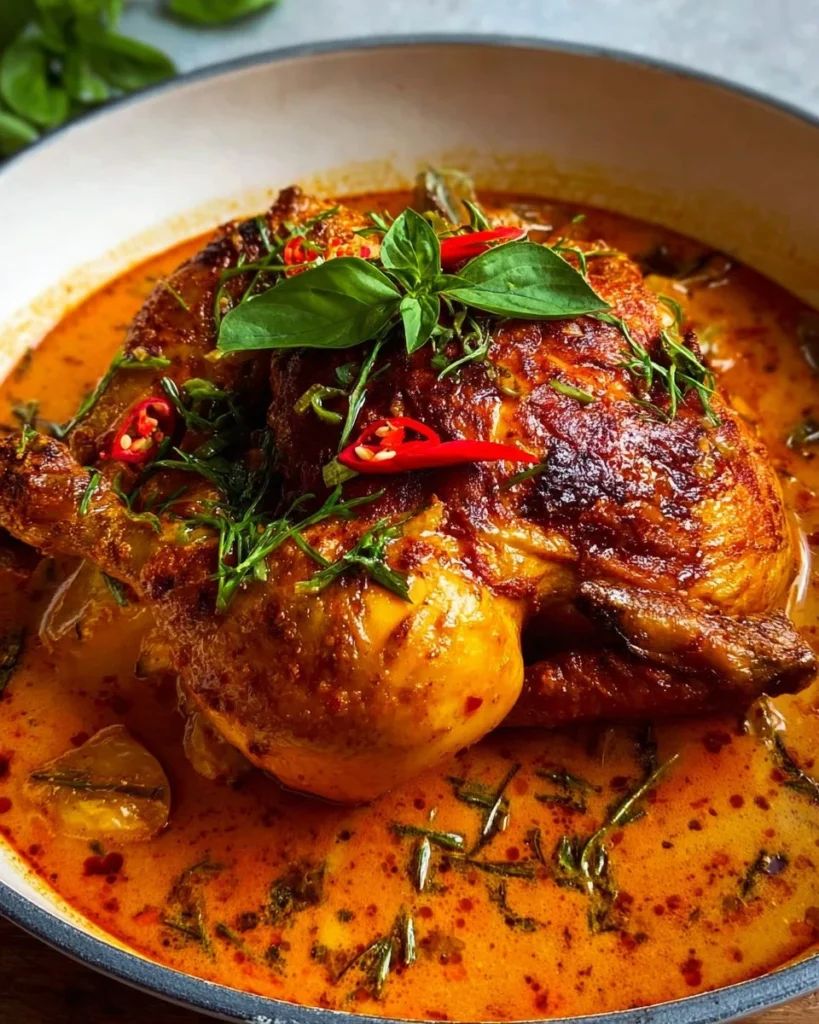
Fifteen ingredients, tied for the most in this group, in two and a half hours, the quickest in this group, six servings at 746 calories. A pot roasted chicken rather than beef, so the long collagen logic above does not apply here. View the full recipe — 150 minutes, serves 6, 746 calories
Slow Cooker Chuck Roast French Dip Sandwiches
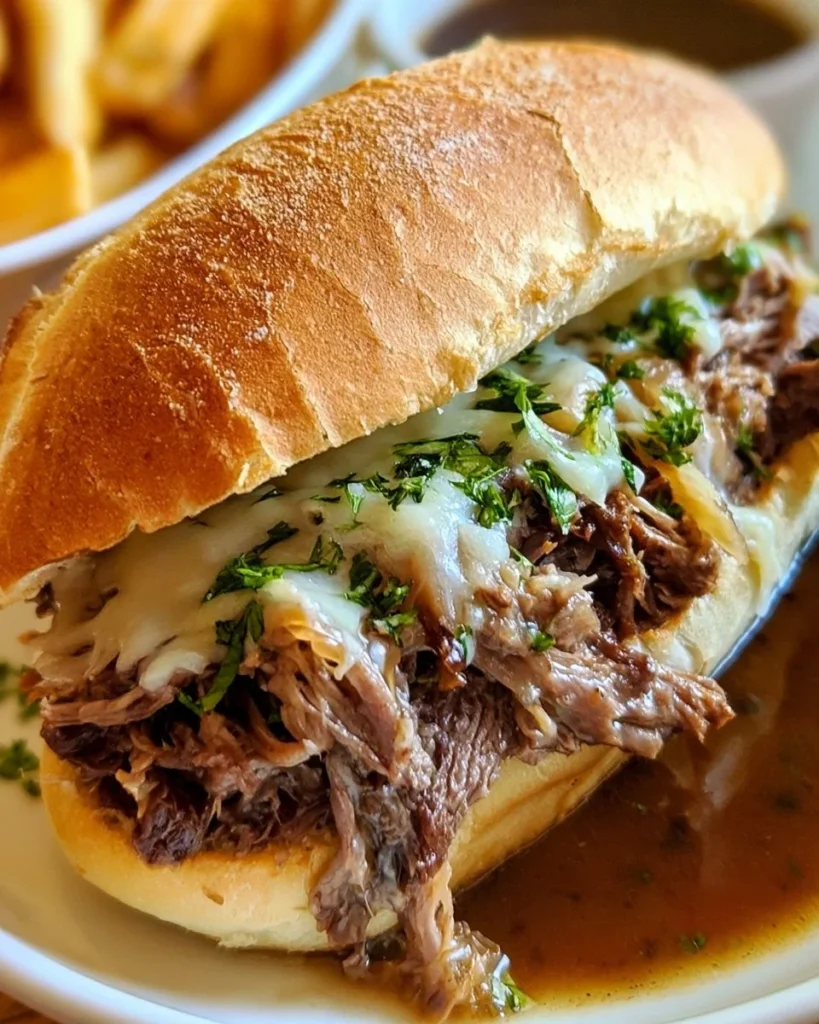
Twelve ingredients, the fewest in this group, over eight hours twenty, six servings at 866 calories, the heaviest recipe on this page. View the full recipe — 500 minutes, serves 6, 866 calories
Before You Choose Your Recipe
The cut comes first and it is not negotiable. Chuck comes from the shoulder, a muscle group that works constantly, so it is heavily marbled and dense with connective tissue. That tissue is the whole point: it dissolves into gelatin over hours and coats the meat fibers, which is what makes a good pot roast feel moist rather than merely soft. A lean cut such as top round or sirloin tip has almost none of it, so it never becomes tender in a braise, it simply dries out. Brisket and short rib work for the same reason chuck does. Buy a roast with visible fat and visible seams of connective tissue running through it rather than the neatest looking piece in the case. Salt it the day before if you can, or at least an hour ahead, so the salt has time to move inward. Searing is worth doing and worth understanding correctly. It does not seal in juices, which is an old idea that was tested and found false; a seared roast loses marginally more moisture, not less. What searing does is build flavour, through the Maillard reaction between amino acids and sugars on a dry surface above roughly 300F. That reaction produces hundreds of aromatic compounds that no amount of braising will create on its own, because a wet environment cannot exceed boiling point. So pat the roast completely dry, get the pan properly hot, and take your time over it. Then deglaze the pan with some of the braising liquid, since the browned material stuck to the bottom is most of what you just made. Liquid level is the next decision and less is more. A third to halfway up the roast is right. The part above the liquid roasts and browns further while the part below braises, and the two together give you depth. Fully submerged, everything boils, nothing browns, and the sauce is thin because the same flavour is spread through more liquid. Lid on, oven at 300F to 325F, or the slow cooker on low. Finally, the finish. Rest the roast twenty minutes before pulling or slicing it. Skim the fat from the liquid, then reduce it hard on the stove, which concentrates it into something worth pouring; braising liquid straight from the pot is always weaker than it should be. And if the roast resists the fork, put the lid back on and give it another hour. It is not overcooked. It has not finished.
Pot Roast Questions, Answered
Why is my pot roast tough?
Most likely it has not cooked long enough, even if that seems backwards. Muscle fibers tighten and dry out from about 140F, while the connective tissue that makes the roast tender only converts to gelatin over several hours above around 160F. The meat genuinely gets worse before it gets better.
What cut should I use for pot roast?
Chuck, from the shoulder. It is marbled and full of connective tissue that dissolves into gelatin over hours. Lean cuts such as top round have almost none of it and will only dry out, however long they cook. Brisket and short rib also work.
Do I need to sear the roast first?
It is worth doing, but not for the reason usually given. Searing does not seal in juices, which has been tested and disproved. It builds flavour through the Maillard reaction, which cannot happen in a wet braise because the liquid caps the temperature at boiling.
How much liquid does a pot roast need?
A third to halfway up the roast, no more. The part above the liquid continues to brown while the part below braises. Fully submerged, nothing browns and the sauce ends up thin because the flavour is spread through more liquid.
Slow cooker, oven or Instant Pot?
All three work. The slow cooker is the most forgiving. The oven browns best, since the exposed top sits in dry heat. A pressure cooker is fastest because higher pressure raises the boiling point to around 250F and collagen converts much quicker there, but you must sear beforehand.
Why is my gravy thin?
Braising liquid is always weaker than it should be straight from the pot. Skim the fat, then reduce it hard on the stove until it coats a spoon. Deglazing the searing pan into the braise in the first place also matters, since the browned material there is most of the flavour.
Can I use a lean cut if I cook it longer?
No, and this is the one case where more time does not help. Tenderness in a braise comes from collagen becoming gelatin, and a lean cut has very little collagen to convert. Extra hours only dry it out further.
Should I cut the vegetables large or small?
Large. Potatoes and carrots cut small will disintegrate over eight hours. Cut them into big chunks, use waxy potatoes such as Yukon Gold rather than russets, and if you want them intact add them partway through rather than at the start.
More to Try
- Beef Recipes — every cut, one page
- Crockpot Recipes — where most of these belong
- Stew Recipes — the same collagen logic
- Chili Recipes — including the cubed chuck version
- Sandwich Recipes — french dip and hot beef
- Potato Recipes — what to put under it
Browse all of our recipe collections.