Every difference between silky ice cream and icy ice cream comes down to the size of its ice crystals. Smaller crystals read as smooth, larger ones as grainy, and three separate factors control which you get. Speed of freezing: faster means smaller, which is why a properly cold machine beats a warm one. Dissolved solids: sugar and alcohol lower the freezing point so a portion of the water never freezes at all, and that unfrozen syrup is what keeps the texture soft. And physical obstruction: fat globules, egg yolk lecithin and stabilisers get in the way of crystals trying to grow into each other.
This explains most of what goes wrong at home. Low fat ice cream is icy because the fat that blocks crystal growth is not there. A base churned warm is grainy because it froze slowly. And the rum raisin below needs the longest freeze of anything on this page because alcohol depresses the freezing point so effectively that too much of it gives you a batch that never hardens at all. Thirteen recipes here, from five minutes to over seven hours.
Vanilla, Two Bases
Two versions of the same flavour built on different foundations, and the choice is a real one. A custard base cooks egg yolks into the cream, and the lecithin in those yolks is a natural emulsifier that physically blocks ice crystals, so the result is denser and smoother. An eggless base is lighter, tastes more cleanly of cream, and is slightly more prone to iciness. Both come out at the same calories and the same time here.
Classic Churned Vanilla Ice Cream

Six ingredients in two hours thirty five, eight servings at 298 calories. The custard route, so the yolks need tempering slowly or they scramble. View the full recipe — 155 minutes, serves 8, 298 calories
Eggless Vanilla Ice Cream
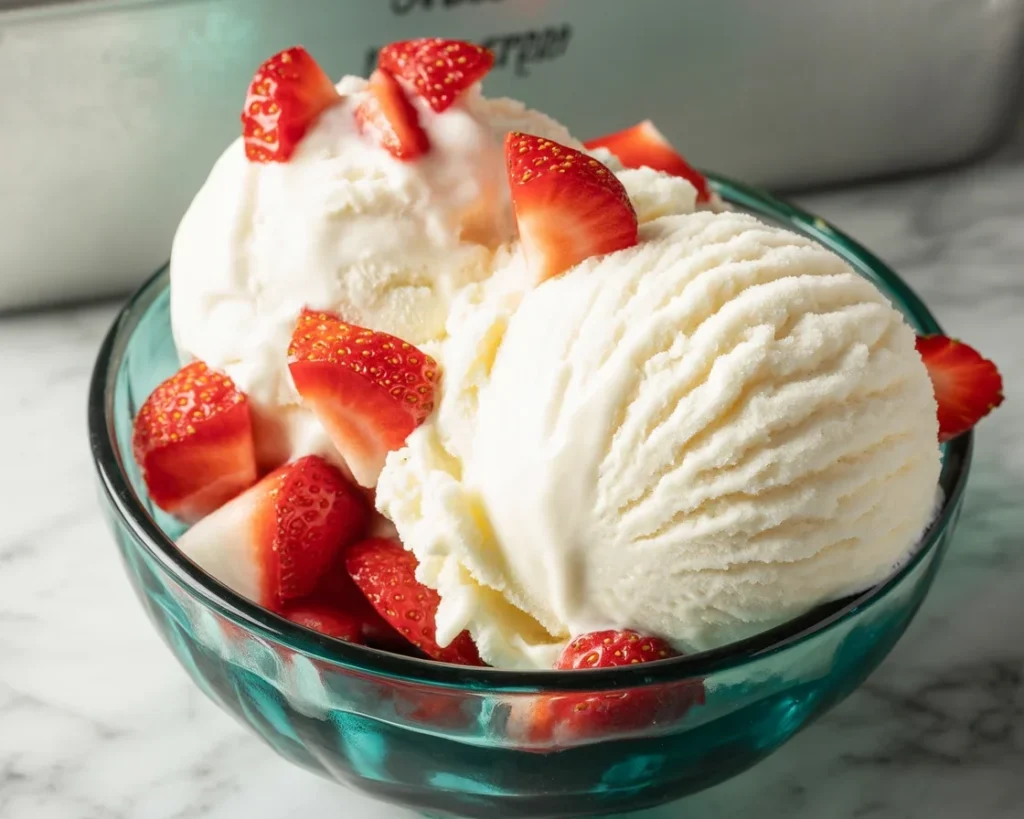
Six ingredients in two hours thirty five, eight servings at 298 calories, the same numbers as the version above. No tempering, no risk of scrambling, slightly less rich. View the full recipe — 155 minutes, serves 8, 298 calories
Fruit Ice Creams
Four, and fruit brings water, which is the enemy here. The fix is to cook the fruit down first, or to use it as a puree rather than in pieces, because a chunk of frozen fruit in ice cream is a lump of ice. Fruit also brings acid, which can curdle a dairy base if added hot.
Pineapple Greek Yogurt Ice Cream
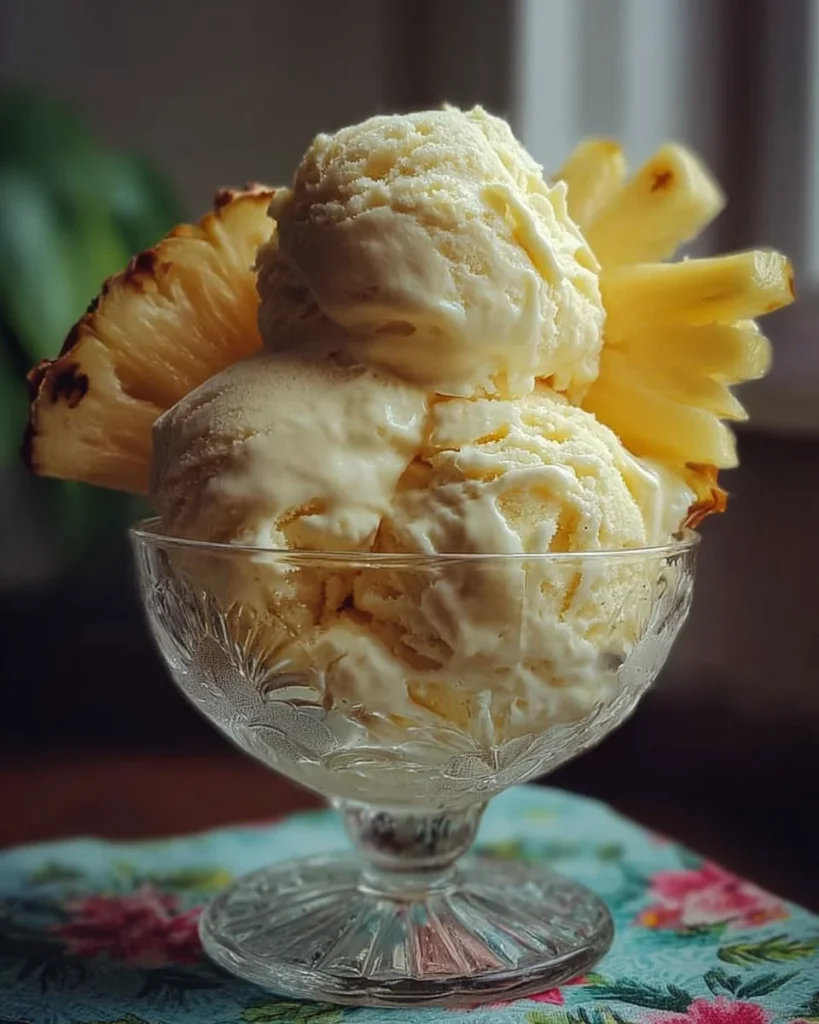
Five ingredients in seventy minutes, the quickest in this group, at 99 calories, the lightest recipe on this page. Greek yogurt rather than cream, which is why the calories are so low and also why it will be firmer and more icy. View the full recipe — 70 minutes, serves 4, 99 calories
Homemade Mango Ice Cream

Four ingredients, tied for the shortest list on this page, over six hours fifty five, the longest in this group, eight servings at 362 calories. View the full recipe — 415 minutes, serves 8, 362 calories
Passion Fruit Ice Cream
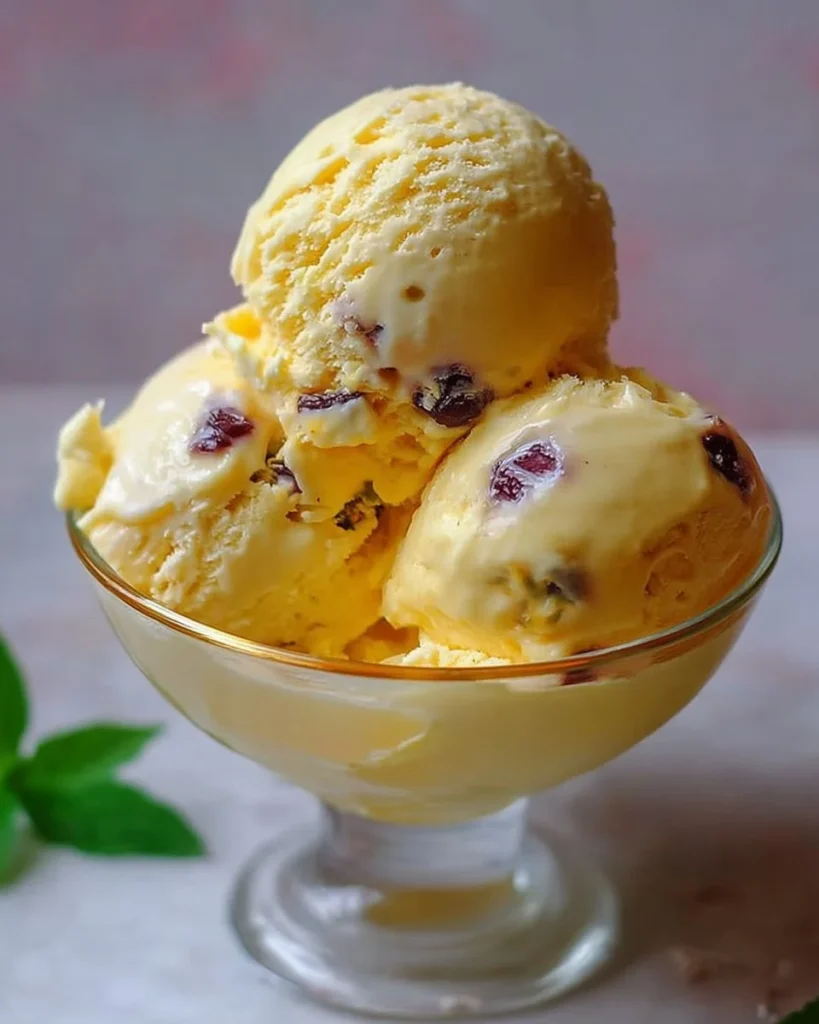
Six ingredients over four hours thirty five, six servings at 426 calories. View the full recipe — 275 minutes, serves 6, 426 calories
Summer Raspberry Cheesecake Ice Cream

Nine ingredients, the most in this group, over six hours thirty, eight servings at 527 calories, the heaviest here. Cream cheese in the base is doing emulsifier work as well as adding flavour. View the full recipe — 390 minutes, serves 8, 527 calories
Candy, Malt, Pistachio and Rum
Four with things folded through them. Add any mix in at the very end of churning or after, never at the start, because anything hard will batter the dasher and anything soft will dissolve into the base and streak it.
Malted Milk Toffee Crunch Ice Cream

Seven ingredients over four hours forty, eight servings at 314 calories, the lightest in this group. Fold the toffee in at the end or it dissolves and you lose the crunch entirely. View the full recipe — 280 minutes, serves 8, 314 calories
High Protein Pistachio Ice Cream with Greek Yogurt
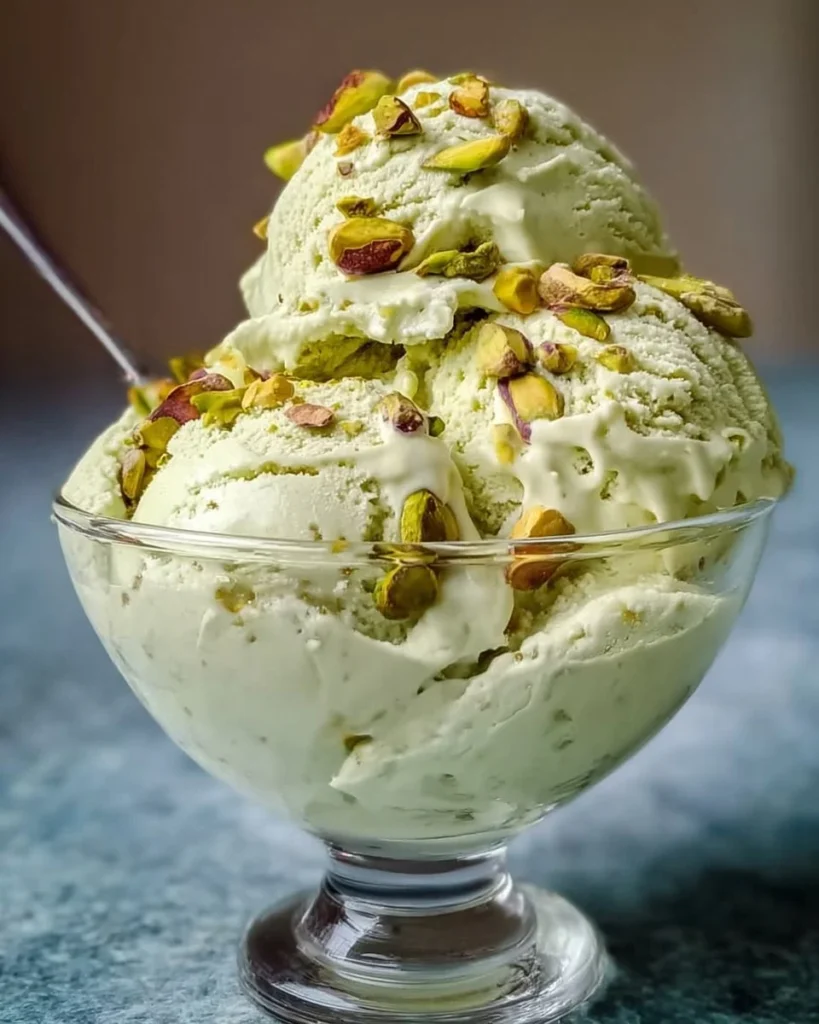
Five ingredients, the fewest in this group, in three and a half hours, the quickest here, at 344 calories. View the full recipe — 210 minutes, serves 4, 344 calories
No Churn Rum Raisin Ice Cream with Condensed Milk

Nine ingredients, the most in this group, over seven hours fifteen, the longest recipe on this page, eight servings at 491 calories. Alcohol lowers the freezing point sharply, which is exactly why this one takes so long to set. View the full recipe — 435 minutes, serves 8, 491 calories
Cookie Dough Candy Ice Cream

Six ingredients over six hours twenty, eight servings at 719 calories, the heaviest recipe on this page. Use heat treated flour in the dough, since raw flour rather than raw egg is the real hazard. View the full recipe — 380 minutes, serves 8, 719 calories
Ice Cream Cakes and No Churn
Three that need no machine. The condensed milk one is the clearest illustration of the sugar principle: sweetened condensed milk is a concentrated sugar syrup, so it depresses the freezing point enough that the mixture stays scoopable without any churning at all.
Neapolitan Ice Cream Cake

Twelve ingredients, the longest list on this page, over five hours fifty, the longest in this group, twelve servings at 244 calories, the lightest here and tied for the most portions on this page. View the full recipe — 350 minutes, serves 12, 244 calories
Condensed Milk Snow Ice Cream
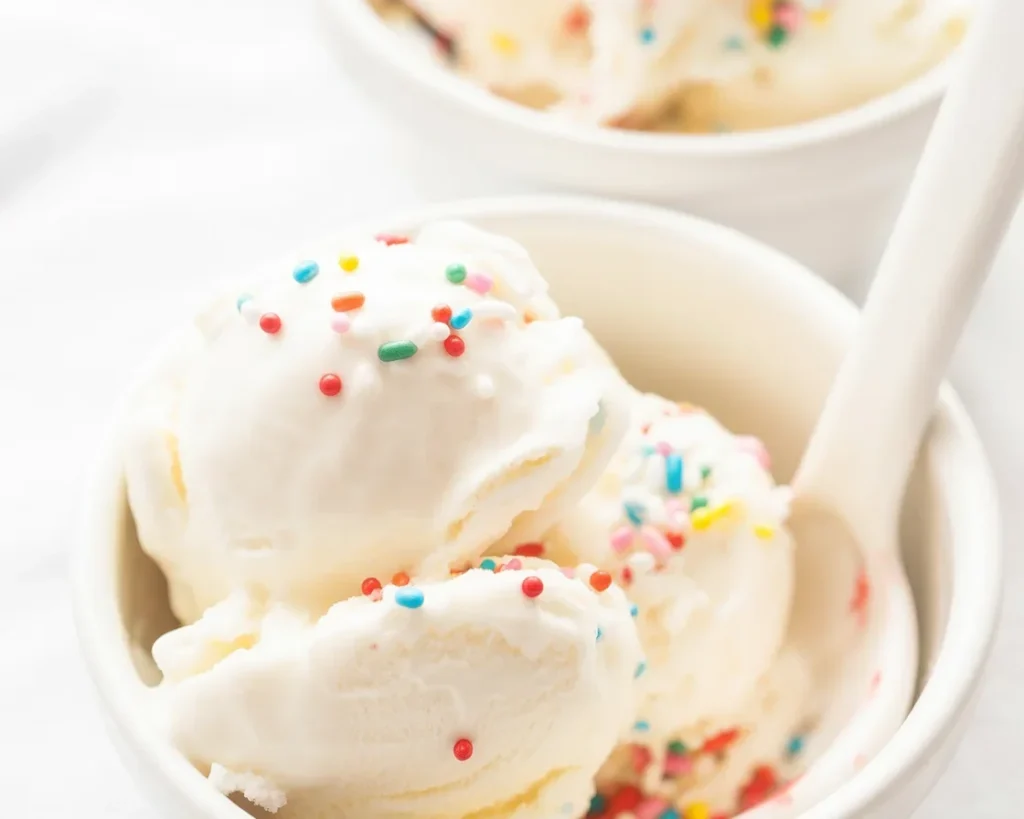
Four ingredients, tied for the shortest list on this page, in five minutes, the quickest recipe here by a very wide margin, at 249 calories. View the full recipe — 5 minutes, serves 4, 249 calories
Chocolate Vanilla Ice Cream Cake

Nine ingredients over four hours forty five, twelve servings at 570 calories, the heaviest in this group and tied for the most portions on this page. View the full recipe — 285 minutes, serves 12, 570 calories
Before You Choose Your Recipe
Four habits separate good homemade ice cream from icy homemade ice cream. The first is chilling the base properly before it goes anywhere near the machine. The base should be at refrigerator temperature or below, ideally four hours and preferably overnight, and a warm base is the most common cause of a grainy result. A warm base takes longer to freeze, and slow freezing grows large crystals. Overnight also lets the flavours settle and the fat crystallise, which genuinely improves texture. The second is the fat. Ice cream needs it, and the usual ratio is around two parts heavy cream to one part whole milk. Fat globules physically interrupt crystal growth, which is why full fat ice cream is smooth and why a low fat version made the same way is icy however carefully you churn it. If you want something lighter, as the Greek yogurt recipe above is, accept that it will be firmer and slightly granular and enjoy it on its own terms rather than expecting it to be ice cream. The third is sugar, which is not only for sweetness. Dissolved sugar lowers the freezing point, so some water remains as syrup even at freezer temperature, and that syrup is what makes ice cream scoopable instead of solid. Cutting the sugar in an ice cream recipe makes it harder and icier, not just less sweet. Alcohol does the same thing far more strongly, which is why the rum raisin above takes seven hours to set and why more than two or three tablespoons of spirits per quart gives you a batch that never firms up. The fourth is the churn itself. Churning does two jobs at once: it freezes the mixture quickly while scraping the forming crystals off the cold wall, and it beats air in. That air, called overrun, is why commercial ice cream can be half air by volume and feels so light, while homemade is usually nearer twenty percent and therefore denser and harder straight from the freezer. Let homemade sit out for five or ten minutes before scooping. Two last notes. Add mix ins at the end of churning or by hand afterwards, never at the start. And store it in a shallow container with plastic pressed directly onto the surface, since every temperature fluctuation melts and refreezes the top layer into bigger crystals, which is what makes week old ice cream crunchy.
Ice Cream Questions, Answered
Why is my homemade ice cream icy?
Large ice crystals, from one of three causes: the base was not cold enough when it went in the machine, there is not enough fat or sugar to interfere with crystal growth, or it has been through temperature swings in the freezer. Chill the base overnight and press plastic onto the surface when storing.
Does the base really need to chill overnight?
It makes a clear difference. A cold base freezes faster, and fast freezing means smaller crystals and a smoother result. Overnight also lets the fat crystallise and the flavours settle. Four hours is the minimum worth bothering with.
Custard base or eggless?
Custard is smoother and richer, because the lecithin in egg yolks acts as an emulsifier and blocks ice crystals. Eggless is lighter, tastes more purely of cream, and carries no risk of scrambling. Both are above and both are legitimate.
Can I reduce the sugar?
Only a little. Sugar is not just sweetness here, it lowers the freezing point so part of the water stays as syrup, which is what makes ice cream scoopable. Cut it significantly and you get something hard and icy rather than something less sweet.
How much alcohol can I add?
Two or three tablespoons of spirits per quart at most. Alcohol depresses the freezing point far more than sugar does, so more than that and the mixture will not set at all. The rum raisin recipe above needs seven hours for this reason.
Why is homemade ice cream harder than store bought?
Air. Churning beats air into the mixture, and commercial machines incorporate far more of it, up to half the volume in cheaper brands. Homemade typically holds around twenty percent, so it is denser and needs five or ten minutes out of the freezer before scooping.
When should I add mix ins?
At the very end of churning, or folded in by hand afterwards. Added at the start, hard pieces hammer the paddle and soft ones dissolve into the base and streak it. Chopped candy and cookie dough both want to go in last.
Can I make ice cream without a machine?
Yes, and three recipes above do. The usual route is a sweetened condensed milk base folded into whipped cream, which works because the condensed milk is concentrated sugar syrup that keeps the mixture soft, and the whipped cream supplies the air a machine would beat in.
More to Try
- Dessert Recipes — everything sweet
- No Bake Desserts — what sets without an oven
- Pudding Recipes — the custard relatives
- Smoothie Recipes — frozen fruit, no churn
- Cake Recipes — where the ice cream cakes belong
- Strawberry Recipes — fruit desserts in context
- Mango Recipes — the seven hour ice cream
Browse all of our recipe collections.