Look at the times on this page and a pattern shows up. Every Thai coconut curry here lands at thirty five minutes or under. Every Indian style curry runs forty five minutes to two hours. That is not a coincidence and it is not about one being more complicated; it is a structural difference in where the flavour comes from.
An Indian curry builds its depth in the base: onions browned slowly, dry spices bloomed in fat, tomatoes cooked down until the oil separates out. That takes real time and cannot be hurried, because the flavour is being created in the pan. A Thai curry starts from a paste that already contains the work, a pounded mixture of galangal, lemongrass, chiles, garlic and shrimp paste, which gets fried briefly in coconut cream and then thinned. The long labour happened before you started. Twelve recipes here, from twenty five minutes to an hour fifty.
Indian Style Chicken Curry
Four built on an onion and tomato base, and the onions are the clock. Properly browned onions take twenty to thirty minutes over medium heat and there is no shortcut: that slow breakdown of sugars and the Maillard browning that follows is most of the depth in the finished dish. Rushing them on high heat scorches the outsides and leaves the insides raw, which tastes sharp rather than sweet.
Rotisserie Chicken Curry
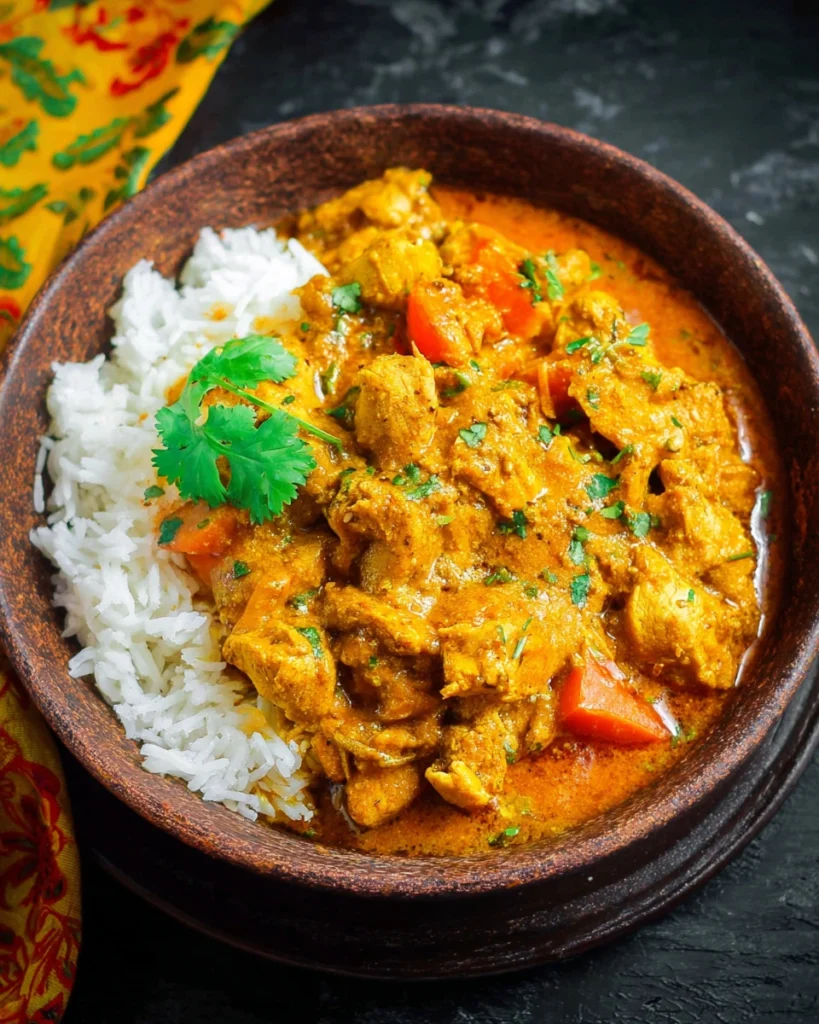
Eleven ingredients, tied for the fewest in this group, in twenty five minutes, tied for the quickest recipe on this page, at 233 calories, also the lightest here. Cooked chicken going in is the only reason this is fast. View the full recipe — 25 minutes, serves 4, 233 calories
Creamy Tomato Chicken Curry with Ginger

Twelve ingredients in forty five minutes at 387 calories. View the full recipe — 45 minutes, serves 4, 387 calories
Indian Onion Tomato Chicken Curry

Thirteen ingredients, the most in this group, in sixty minutes, the longest here, six servings at 402 calories. View the full recipe — 60 minutes, serves 6, 402 calories
Turmeric Chicken Curry Skillet
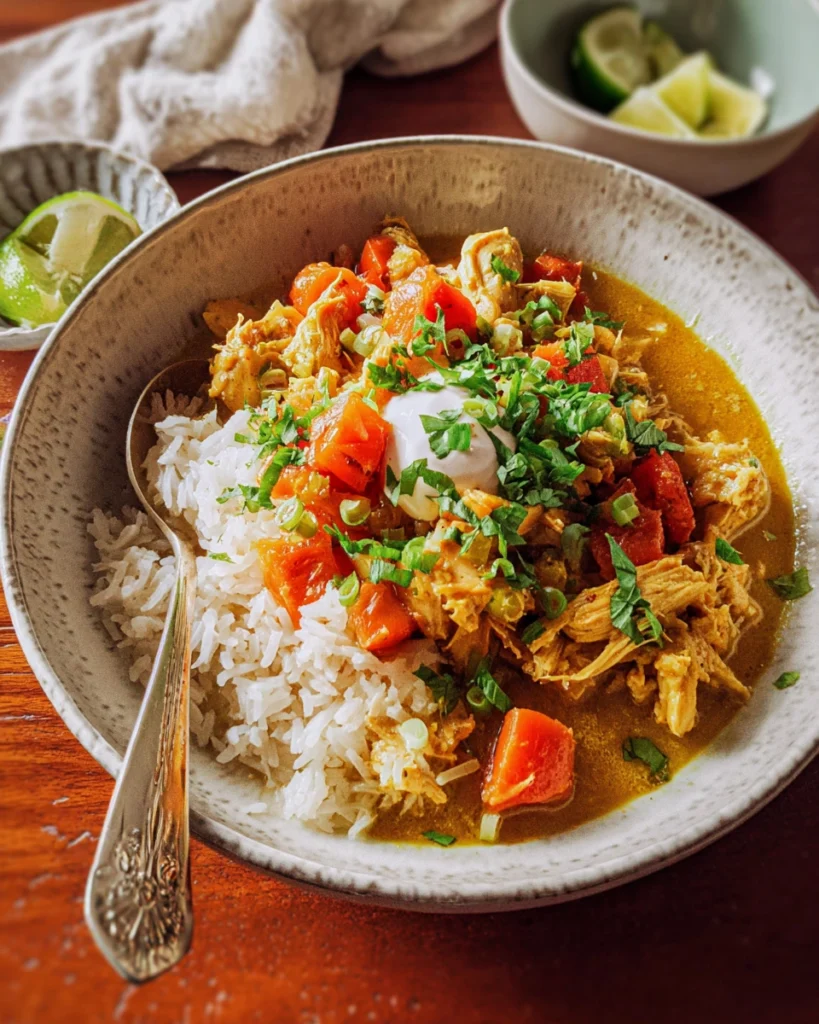
Eleven ingredients, tied for the fewest in this group, in fifty five minutes at 421 calories, the heaviest of the four. Turmeric needs fat to carry it and tastes raw and bitter if added at the end. View the full recipe — 55 minutes, serves 4, 421 calories
Tikka Masala and Garam Masala
Two where the spice blend is the whole identity. Garam masala is a finishing blend rather than a base one: it contains aromatic spices like cardamom, cinnamon and clove whose volatile oils cook off, so it goes in near the end, not with the onions.
Garam Masala Roasted Vegetables
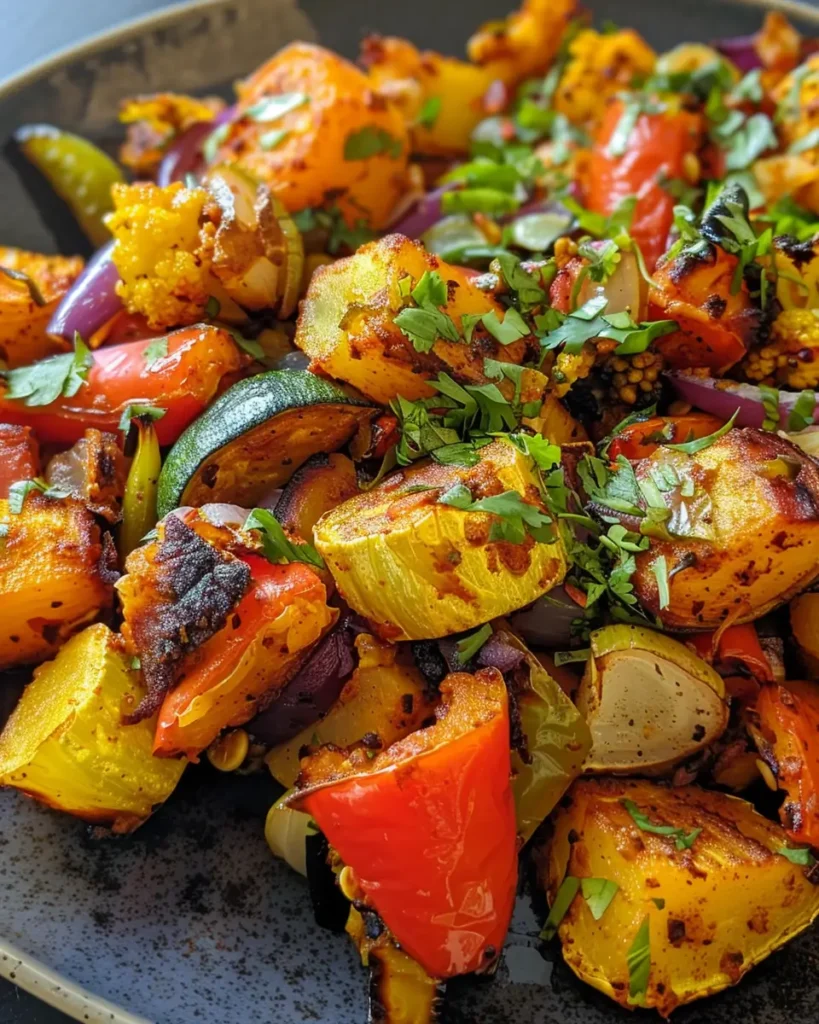
Twelve ingredients in fifty minutes, the quicker of the two, at 219 calories, the lighter. View the full recipe — 50 minutes, serves 4, 219 calories
Grilled Yogurt Chicken Tikka Masala

Thirteen ingredients in an hour fifty, the longest recipe on this page, at 441 calories. The yogurt marinade is doing real work: its lactic acid tenderises and its proteins help the spices cling and char. View the full recipe — 110 minutes, serves 4, 441 calories
Thai Coconut Curries
Six, and five of them take thirty five minutes or less. The method is the opposite of the Indian one: open the can of coconut milk without shaking it, scoop the thick cream off the top, and fry the curry paste in that cream over medium heat until it splits and the oil comes out. That splitting is wanted here, and it is what turns a raw paste into a cooked one. Then thin with the remaining coconut milk and do not boil it hard afterwards.
Thai Fish Cakes with Red Curry Paste
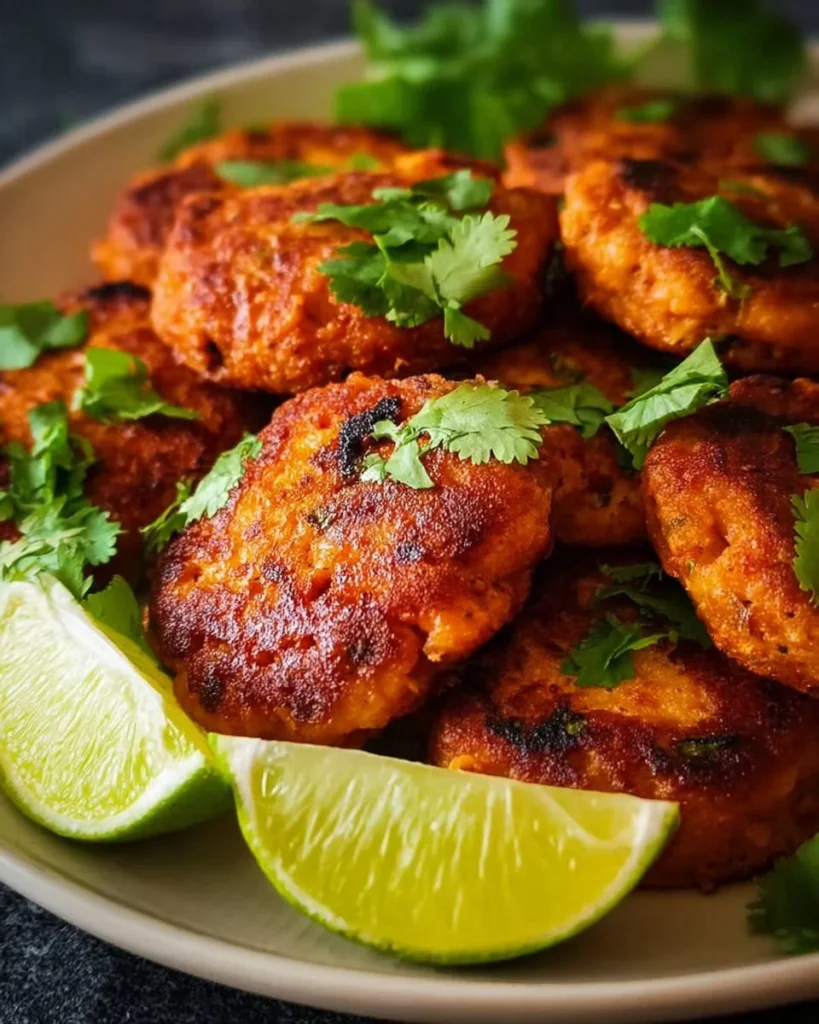
Twelve ingredients, tied for the most in this group, in twenty five minutes, tied for the quickest recipe on this page, at 202 calories, the lightest recipe here. View the full recipe — 25 minutes, serves 4, 202 calories
Thai Coconut Pumpkin Soup with Red Curry Paste
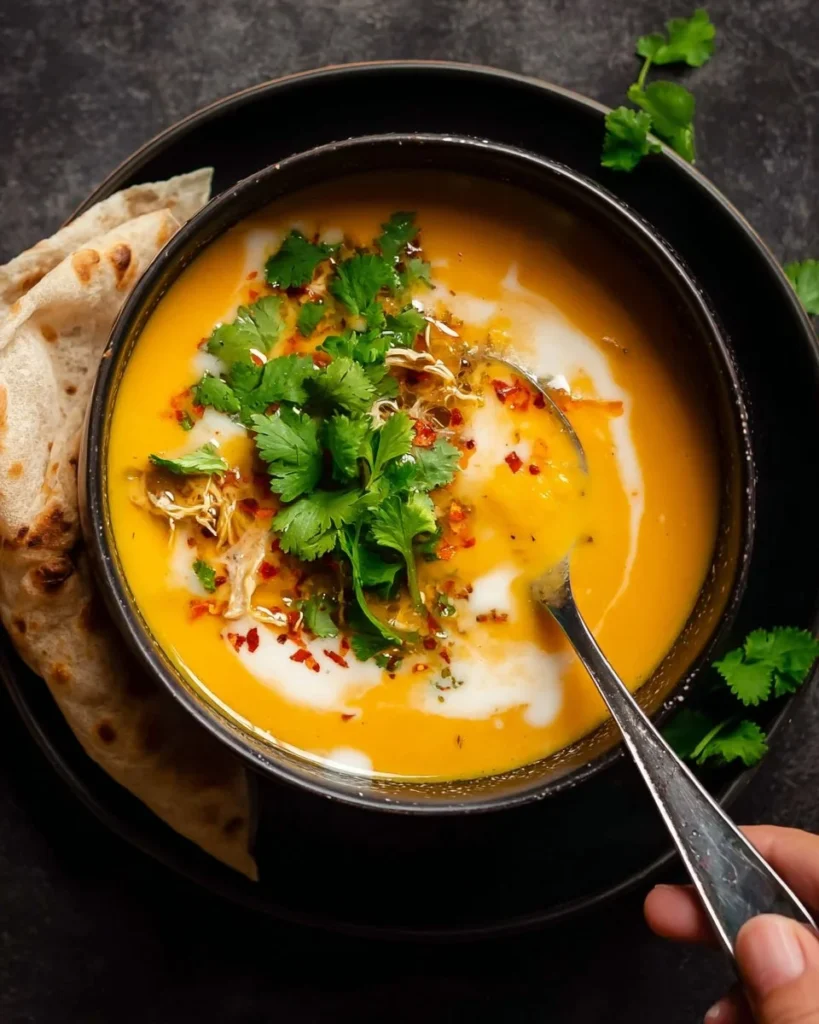
Twelve ingredients, tied for the most in this group, in thirty three minutes, six servings at 323 calories. View the full recipe — 33 minutes, serves 6, 323 calories
One Pot Red Curry Chicken
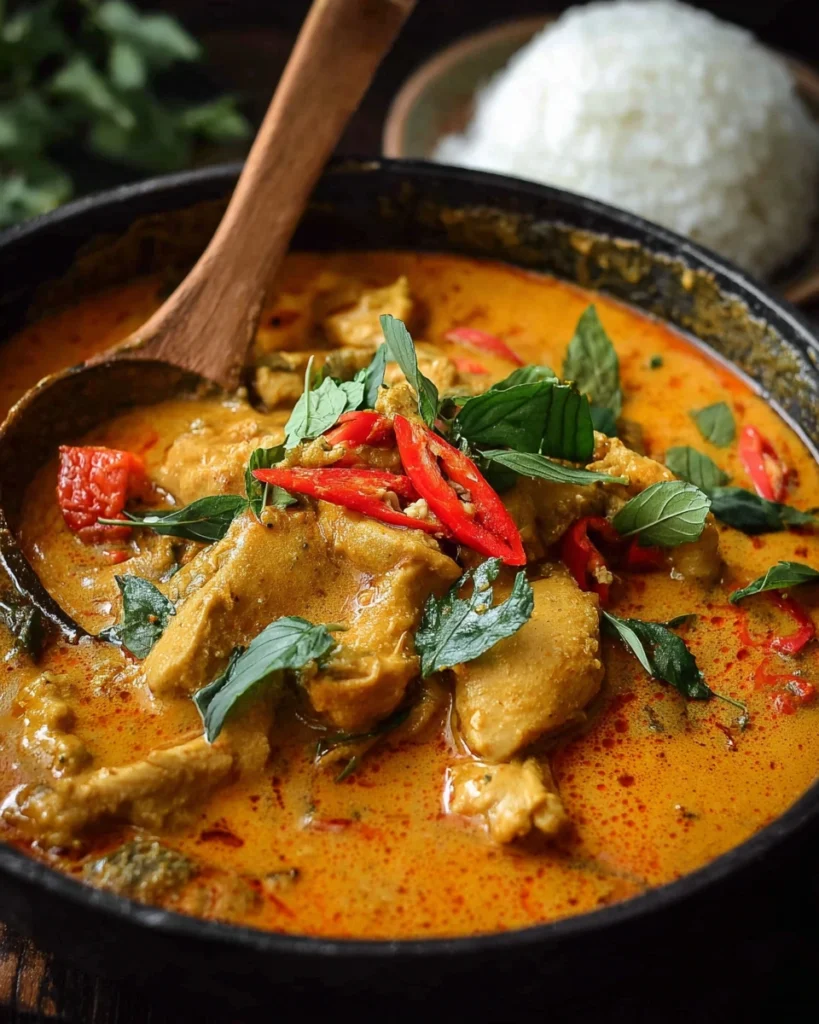
Eight ingredients, the shortest list on this page, in thirty five minutes, tied for the longest in this group, at 456 calories. View the full recipe — 35 minutes, serves 4, 456 calories
Skillet Coconut Chicken Curry
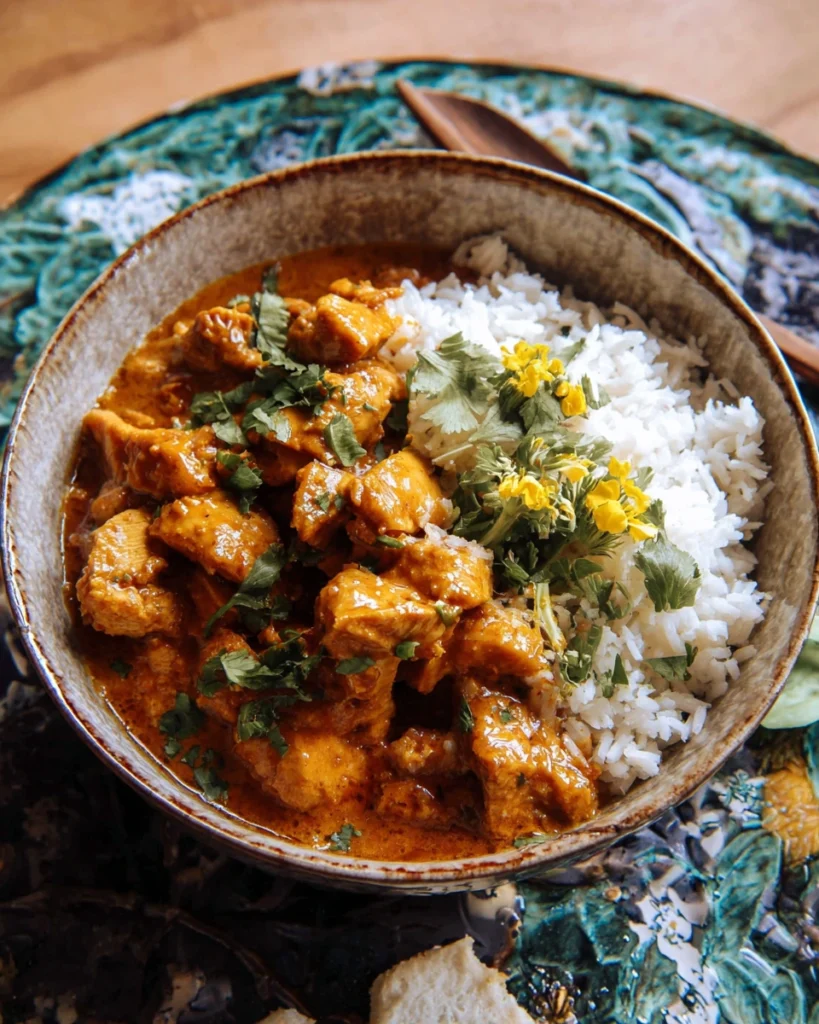
Nine ingredients in thirty five minutes, tied for the longest in this group, at 478 calories. View the full recipe — 35 minutes, serves 4, 478 calories
Thai Coconut Curry with Greens

Twelve ingredients, tied for the most in this group, in thirty five minutes, tied for the longest here, at 487 calories. Leafy greens go in at the very end; thirty seconds is enough. View the full recipe — 35 minutes, serves 4, 487 calories
Golden Coconut Chicken Curry with Broccoli
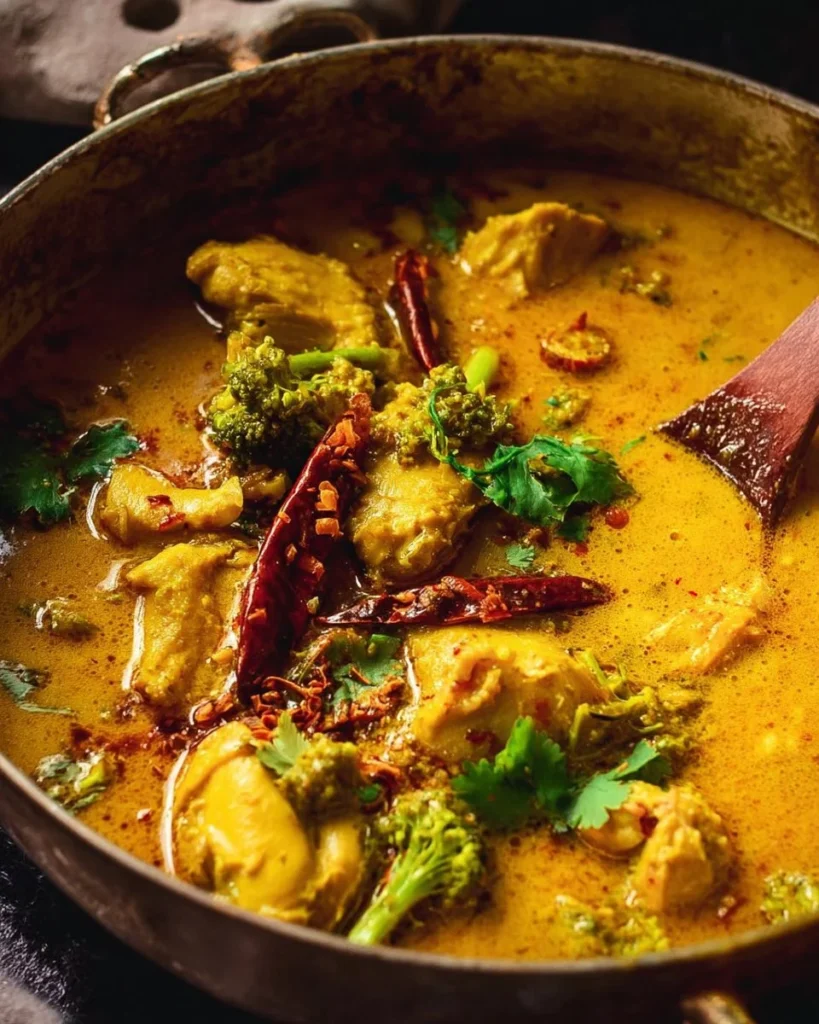
Eighteen ingredients, the longest list on this page, in thirty five minutes, tied for the longest in this group, at 563 calories, the heaviest recipe on this page. View the full recipe — 35 minutes, serves 4, 563 calories
Before You Choose Your Recipe
First, what the word means, because it means almost nothing on its own. Curry is a British colonial catch all for a very wide range of dishes from several unrelated cuisines, and curry powder is a British invention rather than an Indian one. No Indian cook reaches for a jar labelled curry powder; they combine individual spices for the dish in hand. This is not pedantry, it is practical: a recipe that says curry powder is giving you one generic flavour, where the same recipe built from cumin, coriander, turmeric, chili and a pinch of garam masala at the end tastes like a specific dish. Second, and this is the single most useful technique on this page: bloom your dry spices in fat. The aromatic compounds in cumin, coriander, mustard seed, turmeric and chili are fat soluble rather than water soluble, so spices stirred into a watery sauce stay dusty and taste raw. Thirty seconds to a minute in hot oil or ghee, stirred constantly until they darken a shade and smell fragrant, releases them properly. Burnt spices are bitter and unfixable, so this step needs watching rather than timing. In Indian cooking this is the tadka, and it can go in at the start or be poured over at the end. Third, the order in an Indian curry, which is fixed for good reasons. Whole spices in hot fat first. Then onions, browned properly, twenty minutes or more. Then ginger and garlic, which burn faster than onions. Then ground spices for under a minute. Then tomatoes, cooked down until they darken and the oil separates and pools at the edges, which is the visual signal that the base is done; stopping before that is why many homemade curries taste thin and raw. Then the protein and liquid. Dairy or cream at the end, off a hard boil. Fourth, coconut milk, which behaves differently from cream. Full fat canned coconut milk separates in the can, and that is useful rather than a defect: the thick cream on top is what you fry the paste in. Do not shake the can. After thinning, keep it at a bare simmer, since a hard boil will break the emulsion in a way you cannot stir back together. And light coconut milk is largely water, so it will not thicken a sauce or carry the spices. Two last notes. Acid at the end, lime for Thai and lemon or a little tamarind for Indian, lifts a curry that tastes flat even when the spicing is right. And both styles genuinely improve overnight, since the starches and spices continue to hydrate and the flavours settle, so a curry made a day ahead is better and not merely convenient.
Curry Questions, Answered
Why do Thai curries cook so much faster than Indian ones?
Because the work is in the paste rather than the pan. A Thai curry paste already contains pounded fresh aromatics, so it only needs frying briefly and thinning. An Indian curry builds its depth from scratch in the pan, through slowly browned onions and tomatoes cooked down until the oil separates.
Should I use curry powder?
You can, but you will get one generic flavour. Curry powder is a British invention rather than an Indian ingredient. Building from cumin, coriander, turmeric and chili, with garam masala at the end, gives you a dish that tastes of itself.
Why do my spices taste dusty and raw?
They were never bloomed. The aromatic compounds in dry spices are fat soluble, so stirring them into a watery sauce leaves them undissolved. Fry them in hot oil or ghee for thirty seconds to a minute until they darken slightly and smell fragrant.
How long should I cook the onions?
Twenty to thirty minutes over medium heat for an Indian curry base, and there is no shortcut. That slow browning is most of the depth in the finished dish. High heat scorches the outside and leaves the inside sharp and raw.
How do I know when the tomato base is done?
When it darkens and the oil visibly separates and pools at the edges of the pan. That separation is the signal. Curries that taste thin and raw have usually been moved on from this stage too early.
Should I shake the can of coconut milk?
No. The thick cream that separates to the top is exactly what you want to fry the curry paste in, and frying it until it splits is what cooks the paste through. Thin with the watery part afterwards.
Why did my coconut curry split?
It was boiled too hard after thinning. Coconut milk is an emulsion and a rolling boil breaks it permanently. Keep it at a bare simmer once the liquid is in, and avoid light coconut milk, which is mostly water and will not hold together or thicken.
When does garam masala go in?
Near the end. Garam masala is a finishing blend of aromatic spices such as cardamom, cinnamon and clove, whose volatile oils cook away. Added with the onions it is largely wasted; added in the last few minutes it perfumes the whole dish.
More to Try
- Asian Recipes — every cuisine, one page
- Chicken Recipes — where most of these belong
- Coconut Recipes — and the emulsion problem
- Soup Recipes — including the pumpkin soup
- Skillet Dinner Recipes — one pan, thirty five minutes
- Rice Side Dishes — what to serve under them
Browse all of our recipe collections.