A pound cake was originally exactly what it sounds like: a pound each of butter, sugar, eggs and flour. Equal weights, four ingredients, nothing else. Most importantly, no baking powder and no baking soda, because neither existed when the cake was named. All of its rise came from air physically beaten into the butter during creaming, and from the eggs added one at a time to hold that air in place.
That is why creaming matters more in a pound cake than in almost anything else you bake: it is not a step toward the leavening, it is the leavening. Five full minutes of beating softened butter with sugar until it is pale and noticeably increased in volume is the difference between a tender cake and a brick. Modern recipes, including most on this page, add a chemical leavener and some acidic liquid like buttermilk or sour cream, which makes them far more forgiving and slightly less dense. Thirteen recipes here, from sixty minutes to nearly three hours.
Fruit Pound Cakes
Five, and three use buttermilk, which is doing more than adding tang. Its acid reacts with baking soda for extra lift and it weakens gluten, so the crumb is more tender. It is also why these keep so well: an acidic batter holds moisture, and pound cake is one of the few cakes that is genuinely better on the second day than the first.
Pineapple Pound Cake
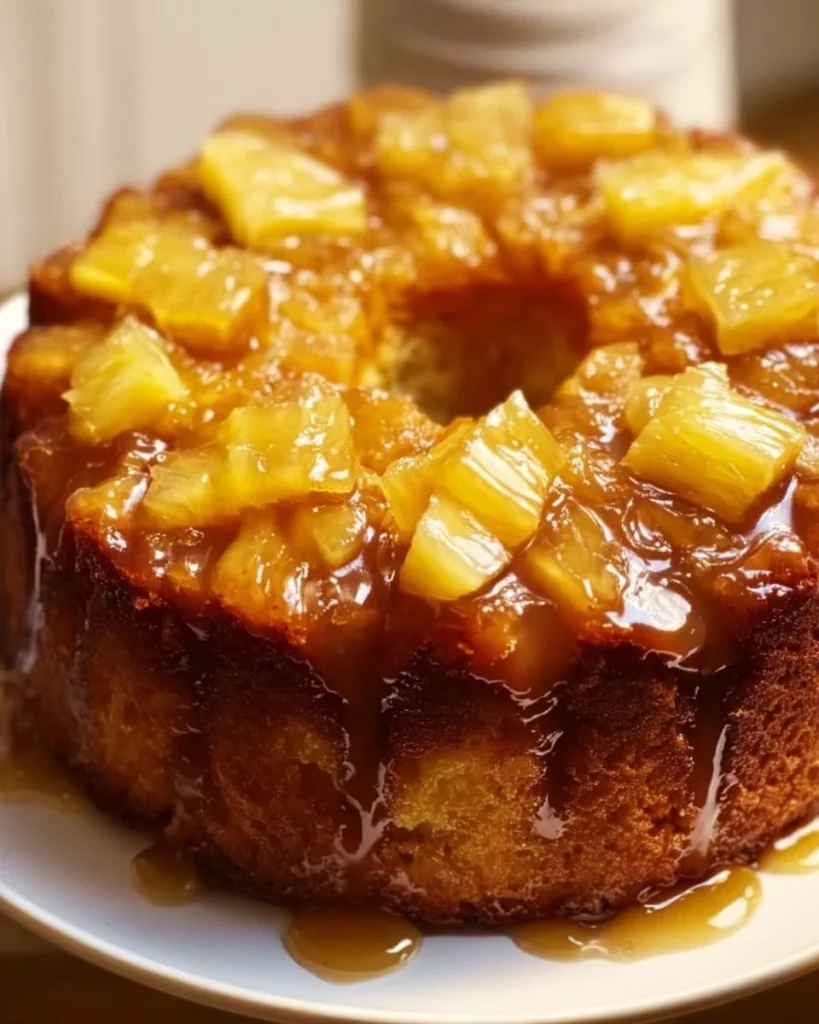
Ten ingredients, tied for the fewest in this group, in two hours forty, twelve servings at 406 calories, the lightest here. Drain the pineapple thoroughly; its juice will sink the batter. View the full recipe — 160 minutes, serves 12, 406 calories
Buttermilk Lemon Pound Cake

Ten ingredients, tied for the fewest in this group, in two and a half hours, twelve servings at 417 calories. View the full recipe — 150 minutes, serves 12, 417 calories
Peach Buttermilk Pound Cake

Twelve ingredients, the most in this group, in two hours twenty, twelve servings at 423 calories. View the full recipe — 140 minutes, serves 12, 423 calories
Strawberry Buttermilk Pound Cake

Ten ingredients, tied for the fewest in this group, in ninety minutes, the quickest here, twelve servings at 459 calories. View the full recipe — 90 minutes, serves 12, 459 calories
Key Lime Glazed Pound Cake
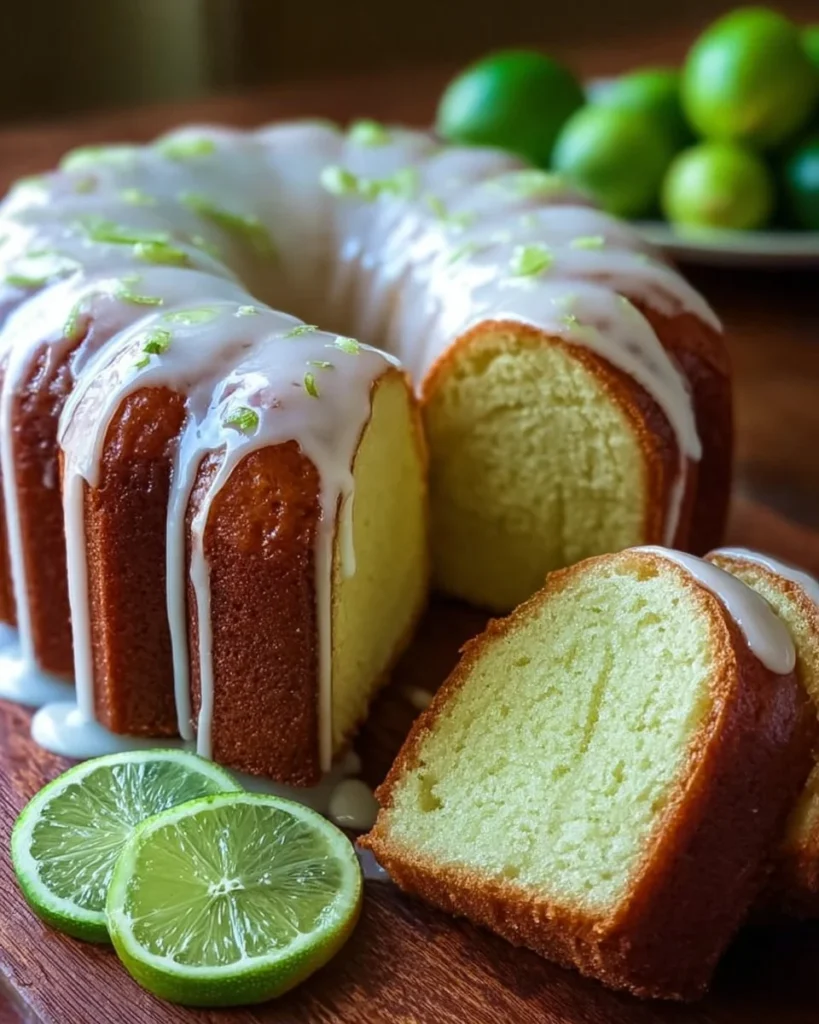
Eleven ingredients in two hours fifty, the longest recipe on this page, twelve servings at 526 calories, the heaviest in this group. Glaze it warm so it soaks in rather than sitting on top. View the full recipe — 170 minutes, serves 12, 526 calories
Almond Flour Pound Cakes
Two with no wheat at all, which changes the structure completely. Almond flour has no gluten, so there is nothing to develop and nothing to overmix; the cake holds together on egg protein alone. They are denser, moister and shorter than a wheat pound cake, and they will not rise as high however hard you cream.
Almond Flour Vanilla Pound Cake
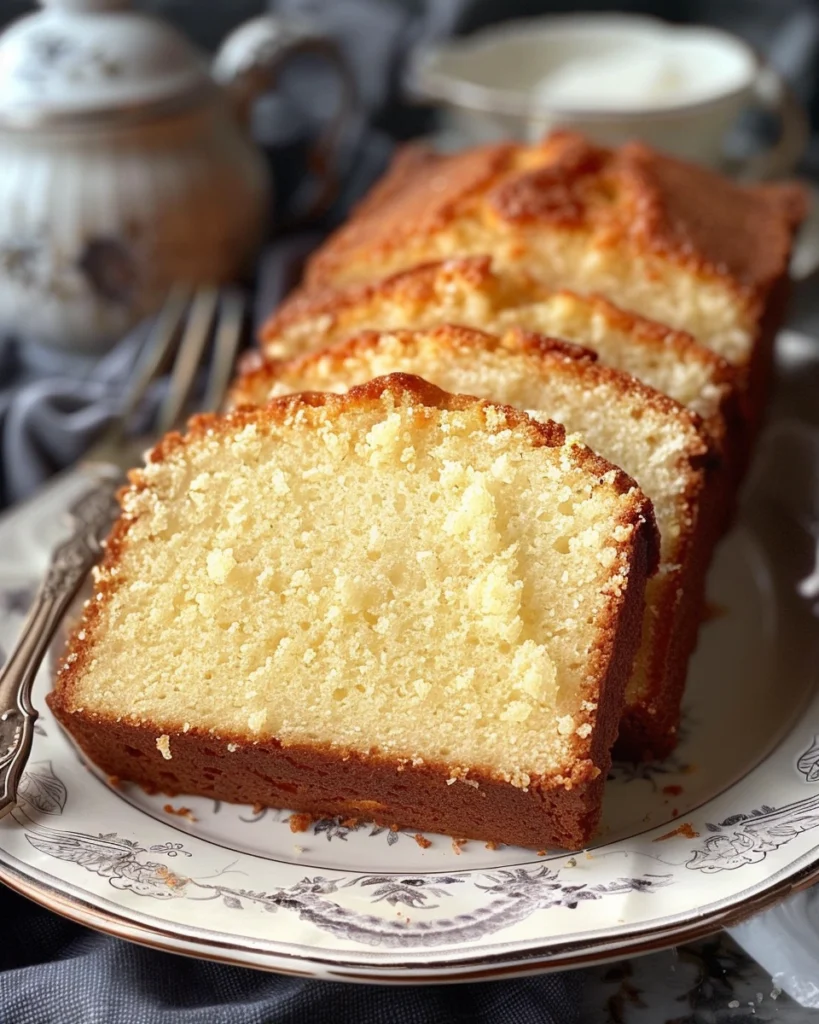
Seven ingredients, the shortest list on this page, in sixty minutes, the quickest recipe here, eight servings at 284 calories, the lighter of the two. View the full recipe — 60 minutes, serves 8, 284 calories
Almond Flour Lemon Pound Cake
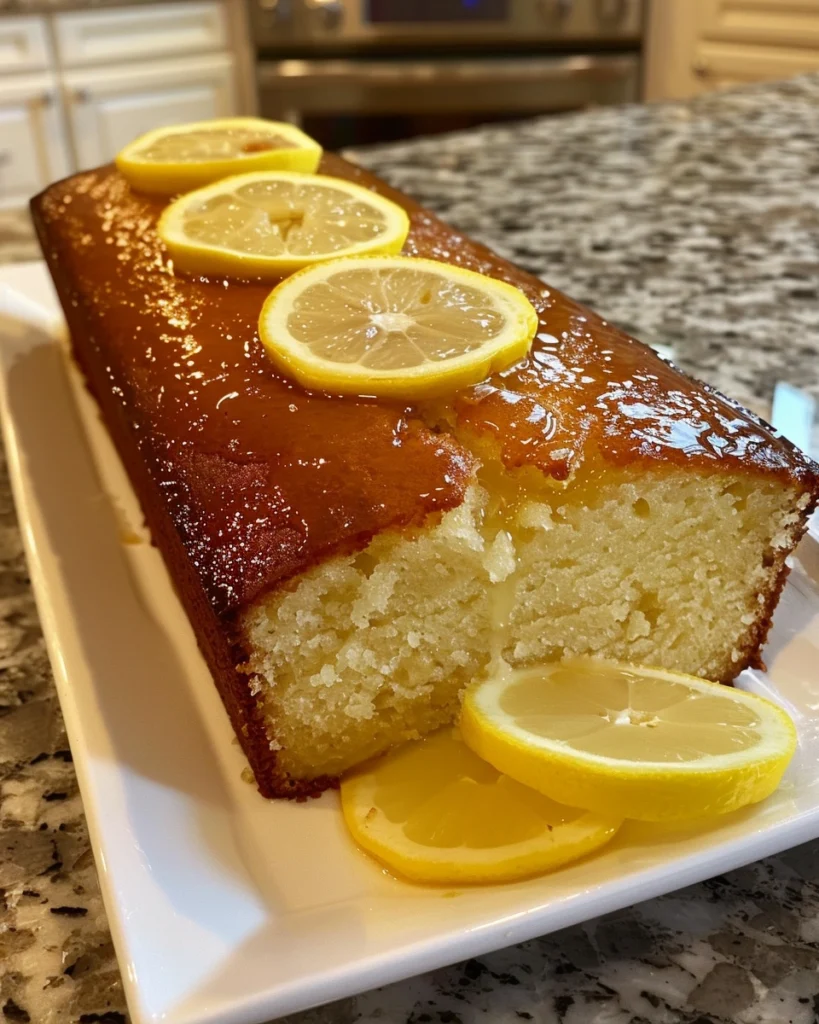
Ten ingredients in seventy five minutes, ten servings at 306 calories. View the full recipe — 75 minutes, serves 10, 306 calories
Bundt Cakes
Three in a bundt pan, which is the fussiest piece of bakeware most kitchens own. Grease it properly, with a paste of soft butter and flour pushed into every crease with a brush rather than cooking spray, which pools in the grooves. Then turn it out at exactly ten minutes: earlier and the cake is too fragile to hold its shape, later and the sugars have set against the metal.
Mini Pumpkin Bundt Cakes with Cinnamon Glaze

Sixteen ingredients, tied for the longest list on this page, in sixty five minutes, tied for the quickest in this group, twelve servings at 262 calories, the lightest recipe on this page. View the full recipe — 65 minutes, serves 12, 262 calories
Mini Pumpkin Bundt Cake with Chocolate Rum Glaze

Sixteen ingredients, tied for the longest list on this page, in sixty five minutes, tied for the quickest here, twelve servings at 280 calories. View the full recipe — 65 minutes, serves 12, 280 calories
Turtle Brownie Bundt Cake with Chocolate Ganache
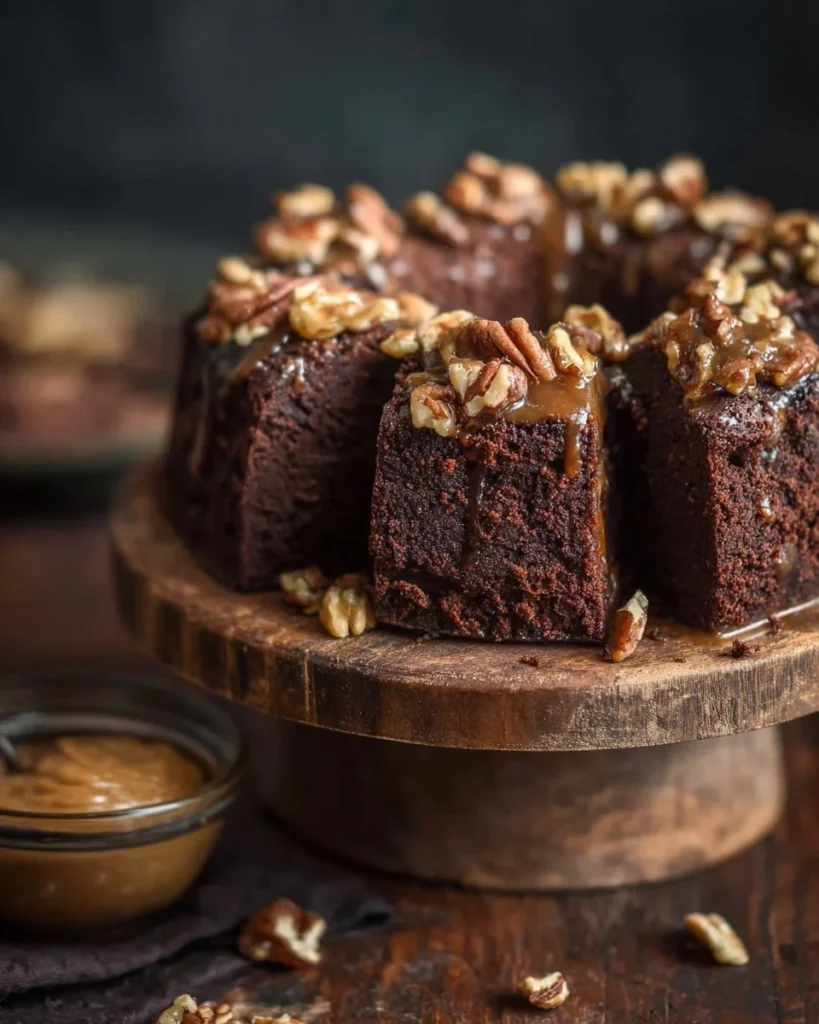
Eleven ingredients, the fewest in this group, in two hours forty, the longest here, sixteen servings at 745 calories, the heaviest recipe on this page and tied for the most portions. View the full recipe — 160 minutes, serves 16, 745 calories
Rich and Spiced
Three of the heaviest cakes here, and all three want to be sliced thin and served plain. A pound cake this rich does not need frosting, which is part of the point of the style: the cake is the dessert rather than a base for something else.
Cinnamon Brown Sugar Pound Cake

Sixteen ingredients, tied for the longest list on this page, in two hours thirty five, the longest in this group, twelve servings at 484 calories, the lightest of the three. Brown sugar brings acid and moisture, which is why this one stays soft for days. View the full recipe — 155 minutes, serves 12, 484 calories
Strawberry Italian Cream Pound Cake

Fifteen ingredients in two and a half hours, sixteen servings at 557 calories, tied for the most portions on this page. View the full recipe — 150 minutes, serves 16, 557 calories
Slap Your Mama Pound Cake
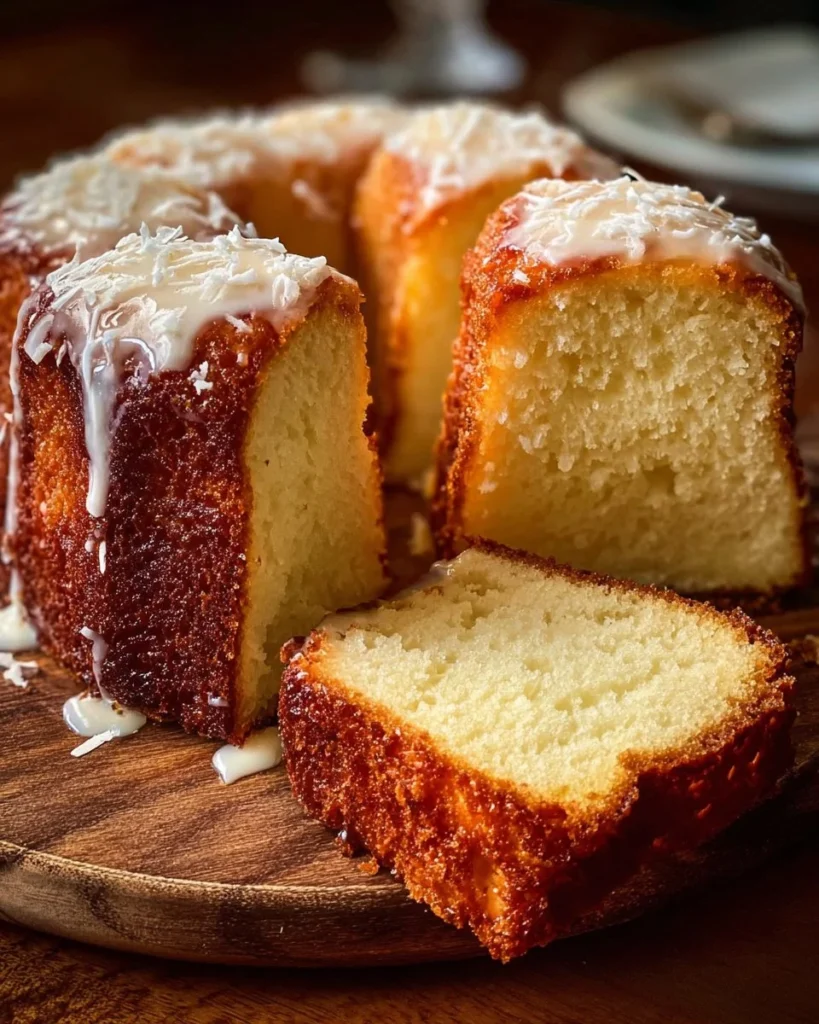
Fifteen ingredients in ninety five minutes, the quickest in this group, twelve servings at 643 calories, the heaviest here. View the full recipe — 95 minutes, serves 12, 643 calories
Before You Choose Your Recipe
Everything in a pound cake comes back to the creaming, so start there and do it properly. The butter must be at around 65F, which is cool to the touch but takes a fingerprint. Too cold and it will not hold air; too warm and the air escapes as fast as you beat it in. Five minutes in a stand mixer on medium, scraping down twice, and the mixture should be visibly paler and roughly a third larger than when you started. If it still looks like butter with sugar in it, keep going. This is the stage people shorten and it is the one that cannot be shortened. Then the eggs, one at a time, each fully incorporated before the next. Eggs are mostly water and butter is fat, and adding them too fast breaks the emulsion, which shows up as a curdled looking batter and a greasy, heavy cake. Room temperature eggs are not fussiness here: a cold egg hitting creamed butter will solidify the fat and collapse the air you just added. If it does curdle, a spoonful of the measured flour will usually bring it back. Flour last and briefly. Once liquid meets flour, gluten starts forming, and a tough pound cake is almost always an overmixed one. Alternate the flour with the liquid in three additions, starting and ending with flour, and stop the moment the last streak disappears. Fold the final few turns by hand if you are unsure. Baking is slow and low by cake standards, usually 325F for over an hour, because a pound cake is dense and a hotter oven sets the outside long before the middle is done. The crack along the top is not a fault: the crust sets while the interior is still rising, so the cake splits where it is weakest, and a single even crack down the length is what a good pound cake looks like. Test with a skewer in the thickest part rather than trusting the time, and remember that it continues cooking for several minutes out of the oven. Two final notes. Cool in the pan for ten minutes and no longer, especially for a bundt. And let it sit, wrapped, for several hours or overnight before slicing; a warm pound cake is crumbly, and the texture firms and the flavour deepens as it rests.
Pound Cake Questions, Answered
Why is it called a pound cake?
Because the original recipe was a pound each of butter, sugar, eggs and flour. Four ingredients in equal weights, with no chemical leavener, since baking powder did not exist. All the rise came from air beaten into the butter.
Why is my pound cake dense and heavy?
Almost always underbeaten butter and sugar. In a traditional pound cake the creaming is the leavening, so it needs a full five minutes until the mixture is visibly paler and larger. Cold or melted butter cause the same result.
Why did my batter curdle when I added the eggs?
The eggs went in too fast or too cold. Butter is fat and eggs are mostly water, so the emulsion breaks if they are not incorporated one at a time at room temperature. A spoonful of the measured flour will usually bring it back together.
Is the crack on top a mistake?
No, it is correct. The crust sets while the inside is still rising, so the cake splits along its weakest line. A single even crack down the length of the loaf is what a well made pound cake looks like.
Why does my bundt cake stick?
Cooking spray pools in the grooves and leaves the ridges bare. Use a paste of soft butter and flour brushed into every crease instead, and turn the cake out at exactly ten minutes: sooner and it is too fragile, later and the sugars have set to the metal.
What does buttermilk do in a pound cake?
Its acid reacts with baking soda for extra lift and it weakens gluten, so the crumb is more tender. It also helps the cake hold moisture, which is why buttermilk pound cakes keep so well for several days.
Why is my pound cake tough?
Overmixed after the flour went in. Gluten begins developing the moment flour meets liquid, so add the flour in stages alternating with the liquid, and stop as soon as the last streak disappears.
Should I slice it warm?
No. A warm pound cake crumbles, and the texture firms and the flavour deepens as it rests. Wrap it once cool and leave it several hours or overnight; this is one of the few cakes that is better the next day.
More to Try
- Cake Recipes — every cake, one page
- Banana Bread Recipes — the quick bread cousin
- Lemon Recipes — and the citrus glazes
- Pumpkin Recipes — where the bundts belong
- Strawberry Recipes — two cakes in context
- Cinnamon Recipes — and why cinnamon slows yeast
Browse all of our recipe collections.