The two parts water to one part rice on the side of the bag is not wrong exactly, it is written for a pot that loses steam. Most bag instructions assume a loose lid and an open simmer, where a good deal of water leaves as vapour. Cook the same rice in a heavy pot with a tight lid, which is what most people actually own, and that extra water has nowhere to go. It ends up in the rice, and the rice ends up soft. Closer to one and a half parts water to one part long grain is right for a sealed pot.
The other half of the problem is the rest. When the timer goes off the grains at the top are wetter than the grains at the bottom, and ten minutes off the heat with the lid on lets that moisture even out by diffusion. Stir at that moment instead and you tear the wet grains. Thirteen sides here, from fifteen minutes to forty five.
Cilantro Lime Rice, Four Ways
There are four versions of this on the site, and rather than pretend they are four different dishes: they are the same idea with real differences in method. One is a plain stovetop baseline, one is a diner style version, one is pressure cooked in under twenty minutes, and one adds garlic. If you only make one, start with the first. The lime juice goes in after cooking in all four, because acid in the water slows the grains from softening.
Fluffy Cilantro Lime Rice

Seven ingredients in thirty minutes, six servings at 196 calories, the lightest of the four. The plain baseline. View the full recipe — 30 minutes, serves 6, 196 calories
Diner Style Cilantro Lime Rice

Six ingredients, tied for the fewest on this page, in thirty five minutes at 204 calories. View the full recipe — 35 minutes, serves 4, 204 calories
Instant Pot Cilantro Lime Rice
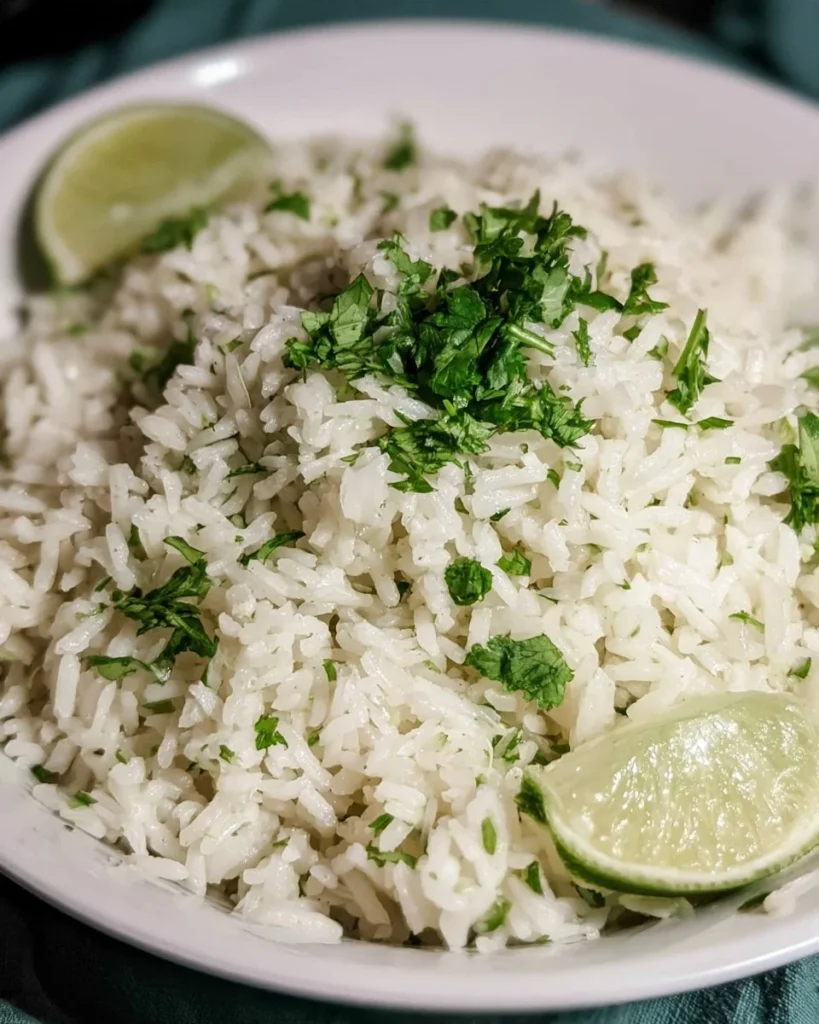
Six ingredients, tied for the fewest on this page, in nineteen minutes, the quickest of the four, six servings at 246 calories. View the full recipe — 19 minutes, serves 6, 246 calories
Garlic Cilantro Lime Rice

Eight ingredients, the most in this group, in thirty five minutes, six servings at 250 calories, the heaviest of the four. View the full recipe — 35 minutes, serves 6, 250 calories
Mexican and Spanish Rice
Three, and all three start by toasting the dry rice in oil until it smells nutty and turns chalky white. That step is the whole dish: toasting sets the outside of the grain so it absorbs the tomato liquid without going mushy, and it is why restaurant Mexican rice has separate grains and the version made by dumping everything in a pot does not.
Tomato Chili Mexican Rice
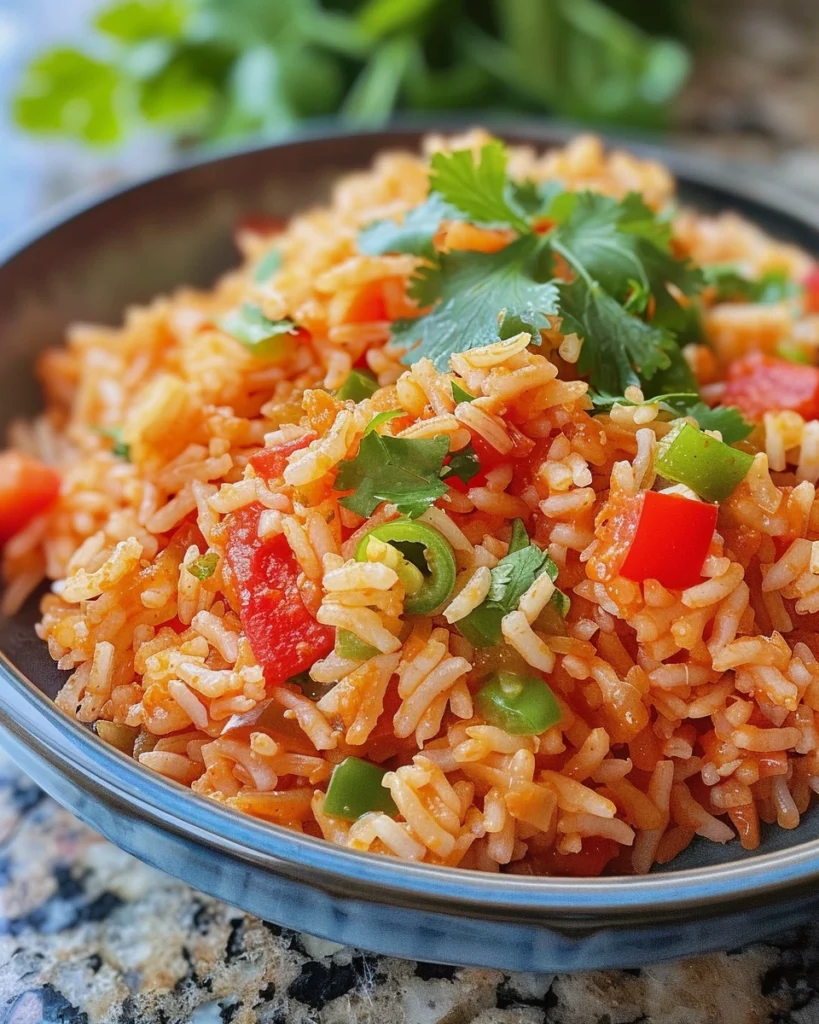
Ten ingredients, the most in this group, in forty five minutes, the longest recipe on this page, six servings at 161 calories, also the lightest here. View the full recipe — 45 minutes, serves 6, 161 calories
Homemade Mexican Rice

Seven ingredients, the fewest in this group, in forty minutes at 221 calories. View the full recipe — 40 minutes, serves 4, 221 calories
Homemade Spanish Rice

Nine ingredients in thirty five minutes, the quickest in this group, at 267 calories, the heaviest of the three. Despite the name this is the American dish, not anything cooked in Spain. View the full recipe — 35 minutes, serves 4, 267 calories
Garlic and Butter Rice
Three where fat does the work. Garlic goes in before the rice and after the butter has melted but before it browns, and it wants under a minute: burnt garlic in a pot of rice is unfixable because you cannot pick it out.
Garlic Onion Seasoned Rice

Seven ingredients in thirty five minutes at 229 calories, the lightest in this group. View the full recipe — 35 minutes, serves 4, 229 calories
Hot Buttered Corn Rice
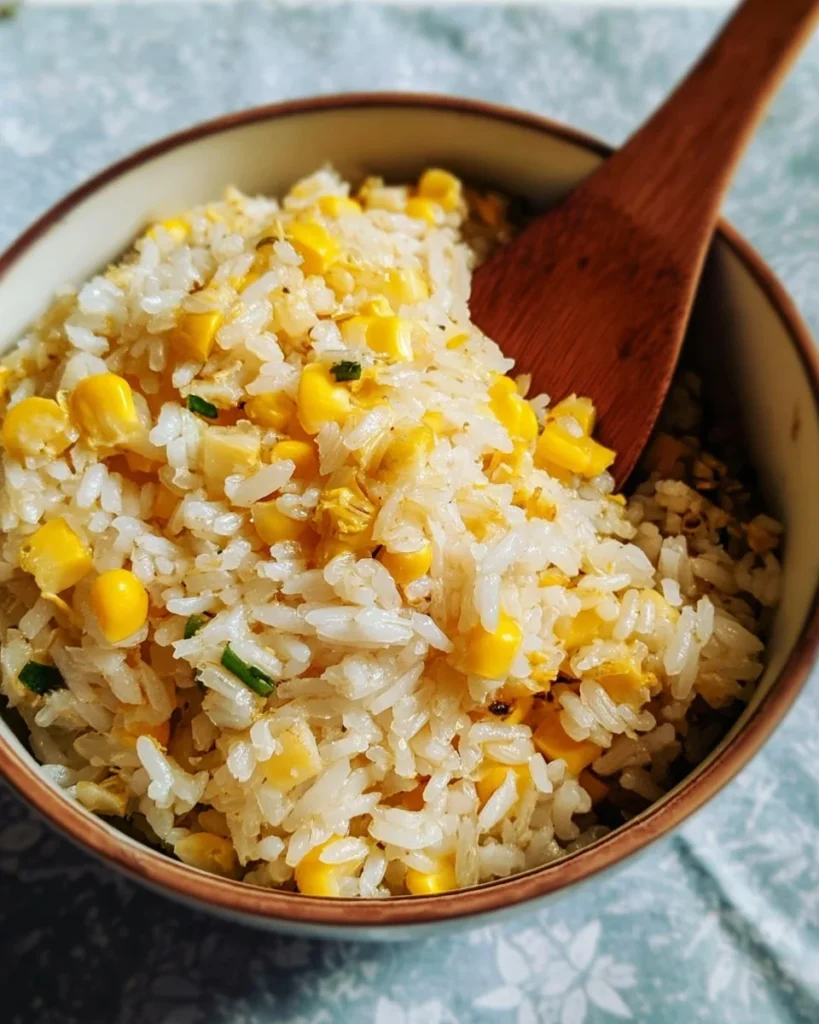
Eight ingredients in forty minutes, the longest in this group, at 343 calories. View the full recipe — 40 minutes, serves 4, 343 calories
Buttery Garlic Rice with Parsley

Six ingredients, tied for the fewest on this page, in thirty five minutes at 454 calories, the heaviest in this group by a wide margin. View the full recipe — 35 minutes, serves 4, 454 calories
Turmeric, Jasmine and a Rice Salad
Three that do their own thing. Two are about colour and aroma, and the third is served cold, which changes the rules: rice firms up in the fridge as the starch retrogrades, so a rice salad wants slightly softer rice than you would serve hot.
Turmeric Lemon Rice

Nine ingredients in thirty minutes at 206 calories, the lightest in this group. Turmeric needs fat to carry it, so it goes into the oil rather than the water. View the full recipe — 30 minutes, serves 4, 206 calories
Purple Jasmine Rice with Red Cabbage

Nine ingredients in thirty five minutes, the longest in this group, at 239 calories. View the full recipe — 35 minutes, serves 4, 239 calories
Ranch Style Rice Salad

Sixteen ingredients, the longest list on this page, in fifteen minutes, the quickest recipe here, six servings at 492 calories, also the heaviest. View the full recipe — 15 minutes, serves 6, 492 calories
Before You Choose Your Recipe
Rice as a side dish goes wrong in predictable ways, and the fixes are all small. Water first. The ratio printed on the bag assumes evaporation, which is fine in a loose lidded pan and wrong in the heavy pot with a tight lid that most people cook in. For long grain white rice in a sealed pot, start at one and a half parts water to one part rice and adjust from there. Brown rice needs more, around two and a quarter parts, and about twice the time. Basmati and jasmine are both long grain but basmati is drier and wants slightly more water than jasmine. Rinsing is a real decision, not a ritual. Rinsing until the water runs clear removes loose surface starch, and that starch is exactly what makes grains stick to each other. Rinse for a pilaf, for Mexican rice, for anything you want fluffy and separate. Do not rinse if you want the grains to cling, and never rinse enriched rice that has been coated with vitamins unless you are happy to wash them down the sink. Heat discipline comes next. Bring it to a boil, then drop to the lowest setting that keeps it barely simmering, and leave the lid alone. Every look costs steam, and steam is what cooks the top layer. When the time is up take the pot off the heat entirely and let it sit, lid on, for ten minutes. This is the step people skip and it does more for the texture than anything else, because it lets moisture migrate from the wet grains at the top to the dry ones at the bottom. Fluff with a fork afterwards, never a spoon, and lift rather than stir. Two flavour notes worth knowing. Toasting dry rice in oil before adding liquid, which is what the Mexican rice recipes above do, firms the surface of each grain and is the single biggest upgrade available to a plain pot of rice. And acid, meaning lime juice, lemon or vinegar, slows rice from absorbing water, so it belongs stirred in after cooking rather than added to the pot. Salt the water, not the finished rice; rice absorbs salt as it absorbs water and salting afterwards only seasons the outside.
Rice Side Dish Questions, Answered
How much water does rice actually need?
Less than the bag says if your pot has a tight lid. Bag instructions assume evaporation, so for long grain white rice in a sealed heavy pot start at one and a half parts water to one part rice. Brown rice needs around two and a quarter parts and twice the time.
Should I rinse rice before cooking?
Rinse if you want separate fluffy grains, since rinsing washes off the loose surface starch that makes rice cling. Do not rinse if you want it to stick, and skip it for enriched rice unless you are willing to lose the added vitamins.
Why does my rice come out mushy on top and dry underneath?
Because it was stirred or served straight off the heat. The grains at the top finish wetter than the ones at the bottom, and ten minutes resting off the heat with the lid on lets the moisture even out. Fluff with a fork afterwards, lifting rather than stirring.
Why toast the rice in oil first?
Toasting dry rice in fat until it smells nutty firms the outside of each grain, so it absorbs liquid without collapsing. It is the reason restaurant Mexican rice has separate grains, and the biggest single improvement you can make to a plain pot of rice.
When should lime or lemon juice go in?
After cooking, stirred through. Acid in the cooking water slows the grains from softening, which gives you undercooked rice and a longer cook. All four cilantro lime recipes above add the juice at the end.
Should I salt the water or the rice?
The water. Rice takes up salt along with the water it absorbs, so salting the cooked rice only seasons the surface and tastes sharper and less even.
What is the difference between Mexican and Spanish rice?
In American cooking, very little: both mean rice toasted in oil and simmered with tomato and aromatics, and the names are used interchangeably. Neither has much to do with rice cooked in Spain, where the comparable dishes are built on short grain.
Can I make rice ahead for a side dish?
Yes, and it reheats best with a splash of water, covered, rather than dry. Chill it within an hour of cooking since cooked rice can grow Bacillus cereus, keep it refrigerated, and use it within a day or two.
More to Try
- Chicken Scampi Garlic Rice — fourteen ingredients, thirty five minutes
- Fried Rice Recipes — thirteen, and the day old rice rule
- Chicken and Rice Recipes — when the rice is the whole dinner
- Side Dish Recipes — everything that goes alongside
- Garlic Butter Recipes — where the buttery ones belong
- Orzo Recipes — the grain it imitates
- Curry Recipes — what to serve under them
Browse all of our recipe collections.