A pita puffs because of steam, and that is the whole trick. Water in the dough turns to vapour faster than it can escape through the surface, and the pressure forces the two skins apart into a pocket. That only happens if the surface it meets is extremely hot, which means an oven at 500F or above with the tray already heated, or a dry skillet left over high heat until it is genuinely frightening. A moderate oven or a lukewarm pan gives you a flat, dense disc instead, and no amount of extra time will inflate it afterwards.
The same logic runs through this page in different forms. No yeast flatbreads want to be cooked fast and hot, because a slow cook dries them into leather. Focaccia is the exception and barely a flatbread at all: it is a high hydration yeasted dough baked thick in olive oil, which is why the three focaccia recipes here take over an hour each while a skillet flatbread takes twenty six minutes. Twelve recipes here, from eighteen minutes to five hours.
Cottage Cheese and No Yeast Flatbreads
Three with no proof at all, and two of them use blended cottage cheese, which is worth explaining rather than treating as a fad. Cottage cheese blended smooth and mixed with self rising flour makes a dough with roughly twice the protein of a plain flour one, and the curd moisture replaces the water. The result is softer and chewier than it sounds. Cook all three fast and hot.
Skillet Cottage Cheese Flatbread

Seven ingredients in twenty six minutes, the quickest in this group, at 91 calories, the lightest recipe on this page. View the full recipe — 26 minutes, serves 4, 91 calories
Soft Cottage Cheese Flatbread

Seven ingredients in forty minutes at 206 calories. View the full recipe — 40 minutes, serves 4, 206 calories
Soft No Yeast Flatbread
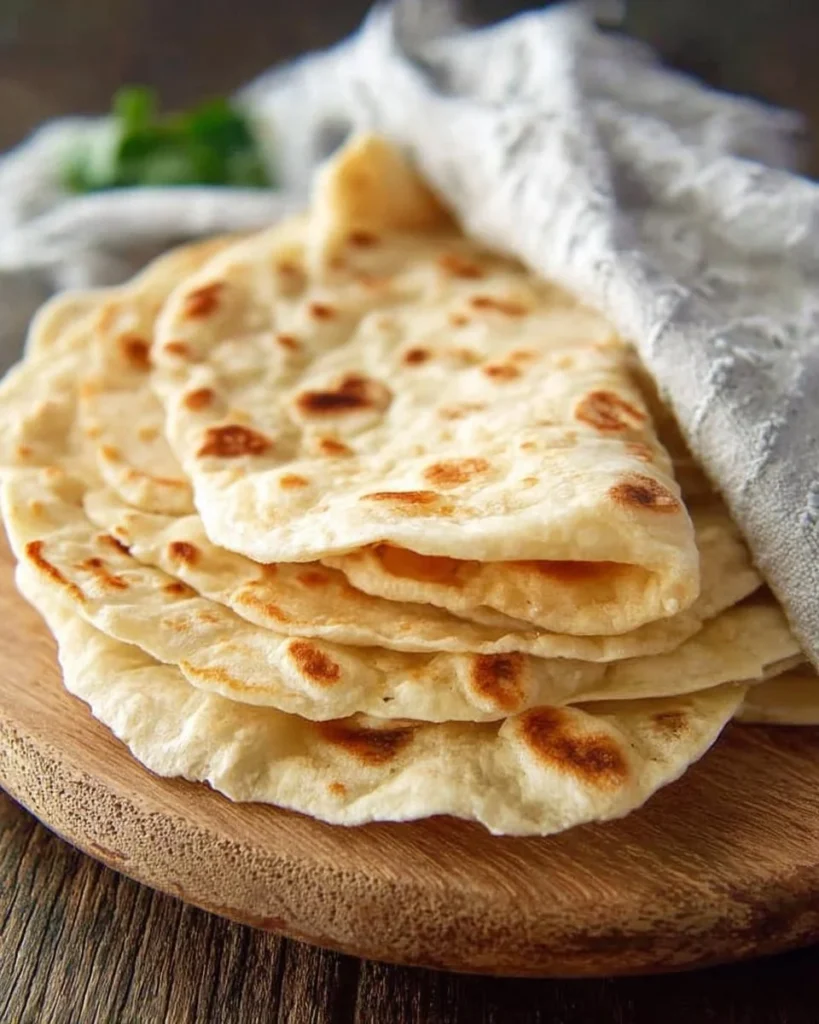
Five ingredients, the shortest list on this page, in sixty minutes, the longest in this group, six servings at 230 calories, the heaviest here. View the full recipe — 60 minutes, serves 6, 230 calories
Focaccia
Three, and focaccia is a bread rather than a flatbread in the usual sense. The dough runs very wet, around eighty percent hydration, which is what gives it that open interior, and it is baked thick in a generous pool of olive oil rather than on a dry surface. The dimples pressed in before baking are functional: they hold the oil and the salt in place instead of letting them run to the edges.
Quick Olive Oil Focaccia with Sea Salt
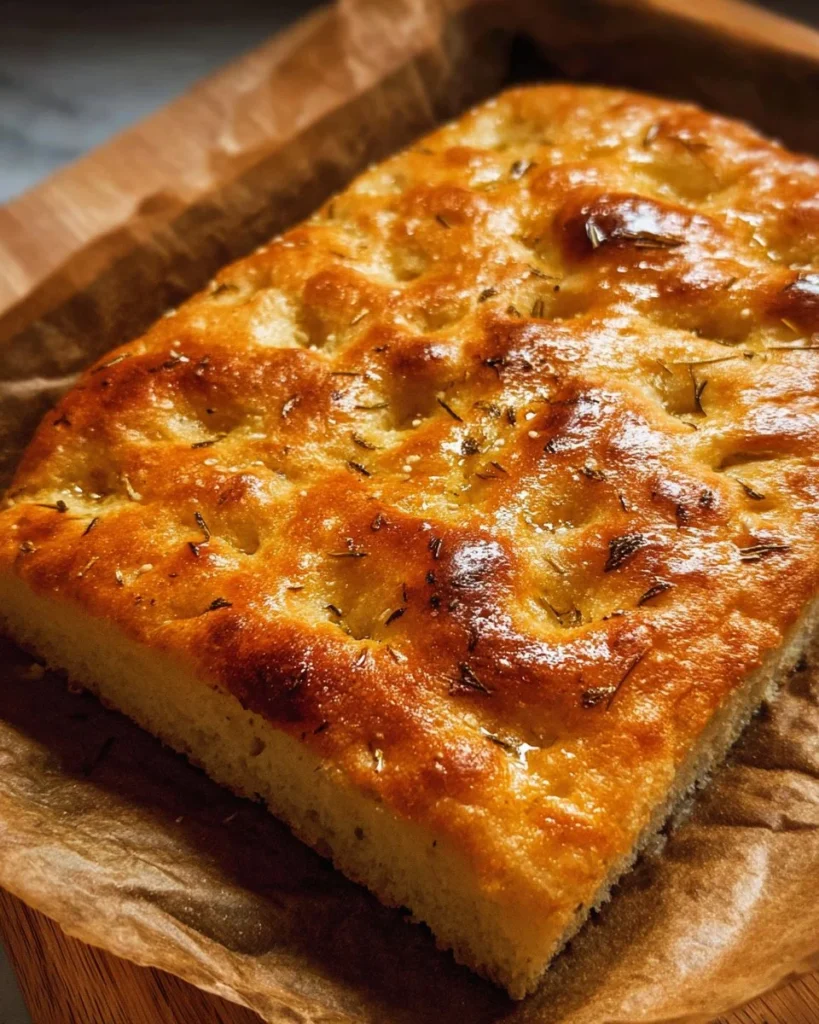
Seven ingredients, tied for the most in this group, in sixty five minutes, the quickest here, nine servings at 122 calories, also the lightest. View the full recipe — 65 minutes, serves 9, 122 calories
Focaccia Bread Rolls

Six ingredients, the fewest in this group, in two hours seventeen, twelve servings at 152 calories, the most portions on this page. View the full recipe — 137 minutes, serves 12, 152 calories
Rosemary Olive Oil Focaccia
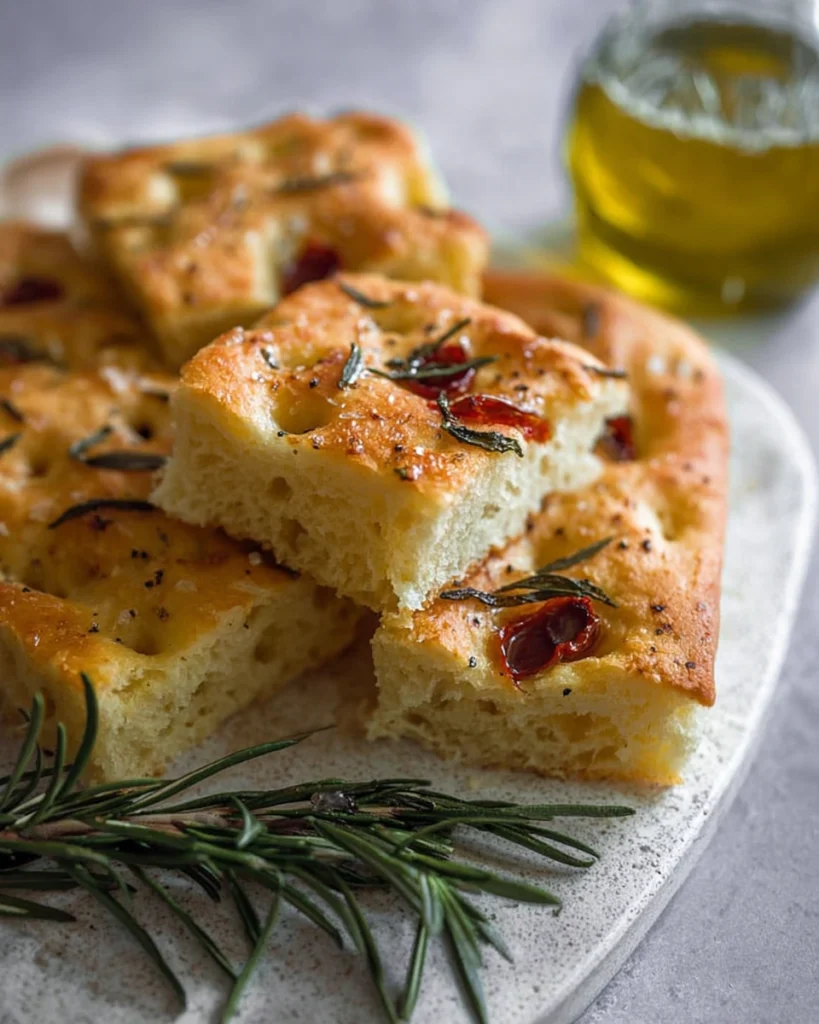
Seven ingredients, tied for the most in this group, in two hours twenty two, the longest here, eight servings at 290 calories, the heaviest of the three. View the full recipe — 142 minutes, serves 8, 290 calories
Pita and Naan
Three from the hot surface tradition. The pita is the one to judge yourself on, since either it inflates or it does not and there is no hiding it. Roll it evenly, rest it, and get the surface hotter than feels sensible. Naan is enriched with yogurt, which makes it softer and less likely to puff into a pocket, and that is by design rather than a failure.
Homemade Puffed Pita Bread

Six ingredients, the fewest in this group, in an hour thirty eight, eight servings at 133 calories, the lightest here. View the full recipe — 98 minutes, serves 8, 133 calories
Skillet Garlic Naan Bread with Yogurt Dough

Thirteen ingredients in two hours fifteen, the longest in this group, six servings at 344 calories. Yogurt in the dough both tenderises and feeds the yeast, which is why naan stays soft hours after a pita has gone stiff. View the full recipe — 135 minutes, serves 6, 344 calories
Arayes Stuffed Pita with Spiced Meat and Tahini Yogurt
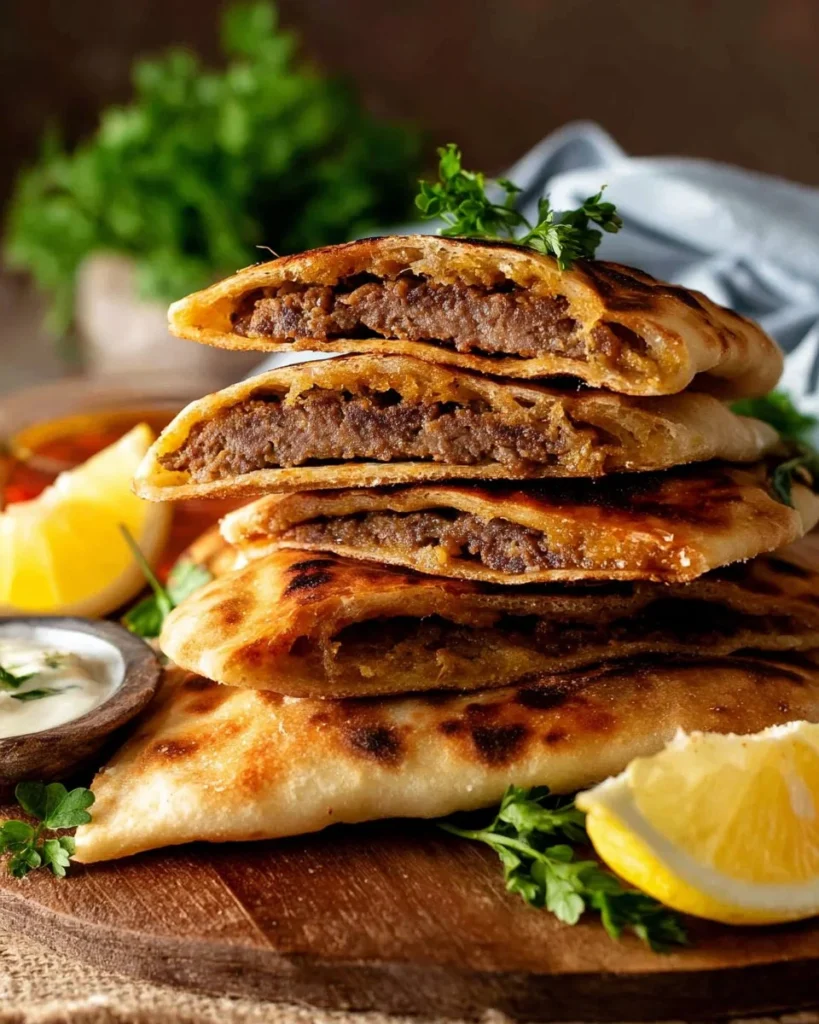
Seventeen ingredients, the most in this group, in thirty five minutes, the quickest here, five servings at 401 calories, the heaviest of the three. Spiced meat pressed inside a pita and griddled, so the bread crisps while the filling cooks through. View the full recipe — 35 minutes, serves 5, 401 calories
Flatbread as Pizza
Three where the flatbread is the base. This is the easiest good pizza available at home, because the limiting factor in homemade pizza is oven temperature, and a thin pre baked or quick cooking base does not need the twenty minutes a raw dough does. Toppings go on sparingly; a flatbread cannot carry the weight a pizza dough can.
Lebanese Chicken Lahmacun Pizzas

Thirteen ingredients, the fewest in this group, in eighteen minutes, the quickest recipe on this page, two servings at 278 calories, the lightest here. View the full recipe — 18 minutes, serves 2, 278 calories
Homemade Frozen Pita Pizzas
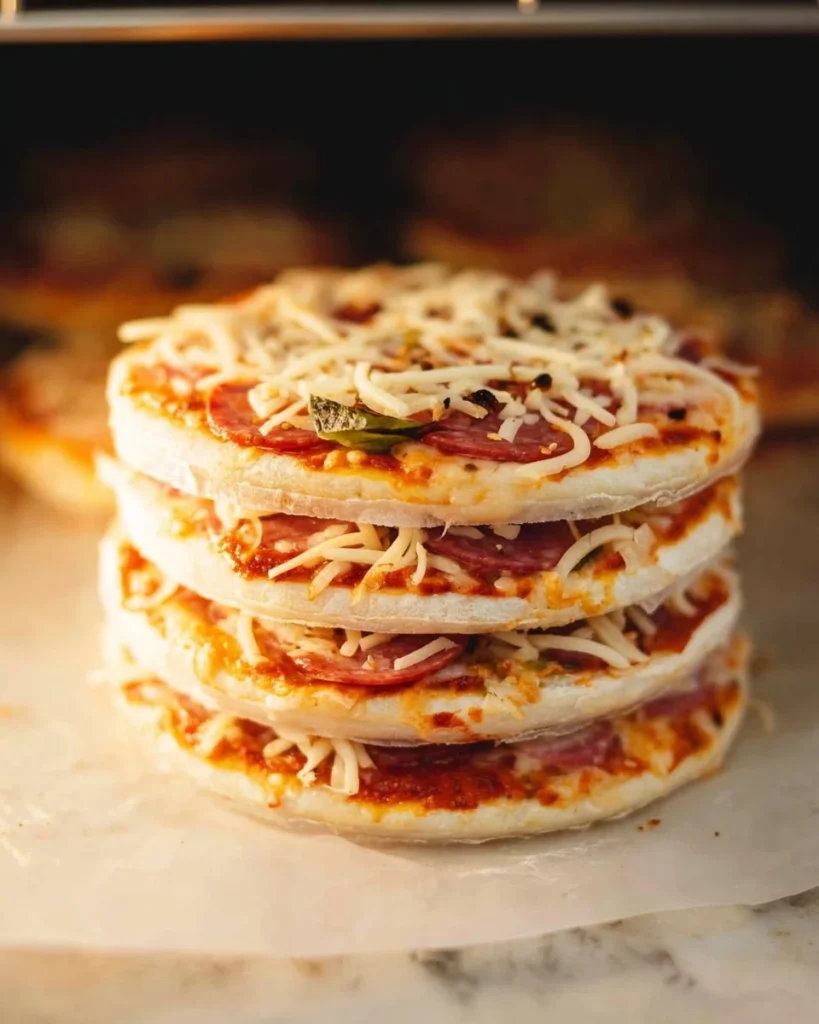
Eighteen ingredients, tied for the longest list on this page, in fifty two minutes, ten servings at 402 calories. Built to freeze, which works because a pita base does not go soggy the way a raw dough would. View the full recipe — 52 minutes, serves 10, 402 calories
Sourdough Focaccia Pizza with Freshly Milled Flour

Eighteen ingredients, tied for the longest list on this page, in five hours five, the longest recipe here, eight servings at 457 calories, the heaviest recipe on this page. View the full recipe — 305 minutes, serves 8, 457 calories
Before You Choose Your Recipe
Flatbreads divide into three families and the method follows from which one you are making. Unleavened or chemically leavened flatbreads, which is the first group above, contain no yeast, so there is nothing to wait for and nothing to develop. They want to be rolled thin, rested for twenty minutes so the gluten relaxes and the dough stops springing back, and then cooked fast on a hot dry surface, a minute or two a side. Cook them slowly and the water leaves before the starch sets, which gives you something closer to a cracker. Yeasted flatbreads, meaning pita and naan, need a proof like any bread dough, and the reward is the pocket. Pita puffs on the steam principle described above, and three things have to be right: the dough rolled to an even thickness, around a quarter inch, because a thin patch vents the steam and the pocket collapses; a proper rest after rolling; and a surface above 500F. Bake them on a preheated steel or stone, or straight on the floor of a very hot oven, two or three minutes until they balloon. Naan is enriched with yogurt and sometimes milk, which tenderises the crumb and keeps it soft for hours, and it is meant to blister rather than inflate. Focaccia is the third family and the odd one out, since it is a thick, wet, oil baked bread that happens to be flat. Eighty percent hydration or thereabouts, a long slow proof, and olive oil both under and over it. The dimples hold oil and salt where you put them. Expect over an hour and often more, and do not try to rush the proof; the open structure is the entire point. Three practical notes that apply across the page. Rest rolled dough before cooking, always, because gluten contracts after rolling and a dough that fights you will shrink in the pan. Get the surface hotter than feels reasonable, which is the single most common fix for flat, pale, leathery results. And stack finished flatbreads under a clean towel as they come off the heat; the trapped steam keeps them pliable, where cooling them in open air makes them stiff within minutes. Finally, flatbread is the most practical route to good pizza at home. The problem with homemade pizza is that a domestic oven cannot reach the temperature a raw dough needs to cook before the toppings overcook, and a pre baked or quick cooking flat base sidesteps that entirely.
Flatbread Questions, Answered
Why did my pita not puff?
The surface was not hot enough, or the dough was rolled unevenly. The pocket forms when water flashes to steam faster than it can escape, which needs above 500F, and a thin patch in the dough vents that steam before it can inflate anything.
Do I need to rest flatbread dough after rolling?
Yes, twenty minutes. Gluten contracts after rolling, so an unrested dough springs back and shrinks in the pan. Resting it lets the gluten relax and the round holds its shape and thickness.
Is focaccia a flatbread?
Loosely. It is a thick, very wet yeasted dough baked in olive oil, which makes it closer to a bread than to the thin flatbreads on this page. That is why the focaccia recipes here take over an hour and a skillet flatbread takes twenty six minutes.
What do the dimples in focaccia do?
They hold the oil and salt in place. Without them the oil runs to the edges of the pan and the top bakes dry. They also stop the dough doming as it rises in the oven.
Does cottage cheese flatbread actually work?
Yes, and the reason is straightforward: cottage cheese blended smooth and mixed with self rising flour gives a dough with roughly twice the protein of plain flour and water, with the curd moisture standing in for the liquid. The texture is softer and chewier than you would expect.
Why are my flatbreads stiff and leathery?
Either cooked too slowly or cooled in open air. Cook them fast on a hot surface so the starch sets before the water leaves, then stack them under a clean towel, where the trapped steam keeps them pliable.
What is the difference between pita and naan?
Pita is a lean dough that puffs into a pocket on very high heat. Naan is enriched with yogurt and often milk, which tenderises it and keeps it soft for hours, and it blisters rather than inflating. Neither substitutes neatly for the other.
Is flatbread a good pizza base?
It is the most reliable one at home. The limit on homemade pizza is oven temperature: a raw dough needs more heat than a domestic oven gives before the toppings overcook. A thin, quick cooking base removes that problem entirely. Keep the toppings light.
More to Try
- Bread Recipes — yeast loaves and quick breads
- Pizza Recipes — and the oven temperature nobody mentions
- Cornbread Recipes — and the sugar question
- Biscuit Recipes — the other quick bread
- Appetizer Recipes — where lahmacun belongs
- High Protein Dinner Recipes — the cottage cheese route
Browse all of our recipe collections.