Look at the times on this page and the two kinds of donut separate themselves. The cake donuts run forty to forty two minutes. The yeast raised ones run two hours fifteen. That gap is the proof, and it is the whole difference between the two foods. A cake donut is leavened chemically with baking powder, so it goes from bowl to fryer with no waiting, and the result is dense, tender and slightly crumbly. A yeast donut is proofed twice, and the result is light, airy and chewy, closer to bread than to cake.
They also fry at different temperatures, which catches people out. Cake donuts want 365F to 375F; yeast donuts want 350F to 360F, because they are so much lighter that at higher heat they colour before the inside is cooked. And cake donuts absorb more oil than yeast ones, because their batter is wetter and the surface is more open, which is why a homemade cake donut can taste heavy even when it is cooked correctly. Eight recipes here, from twenty five minutes to two and a quarter hours.
Cake Donuts
Three, all around forty minutes, because there is nothing to wait for. The dough is wetter and stickier than it looks like it should be and the fix is cold rather than extra flour: chill it for thirty minutes and it becomes workable. Extra flour makes a tough donut.
Glazed Cake Doughnuts with Vanilla Glaze
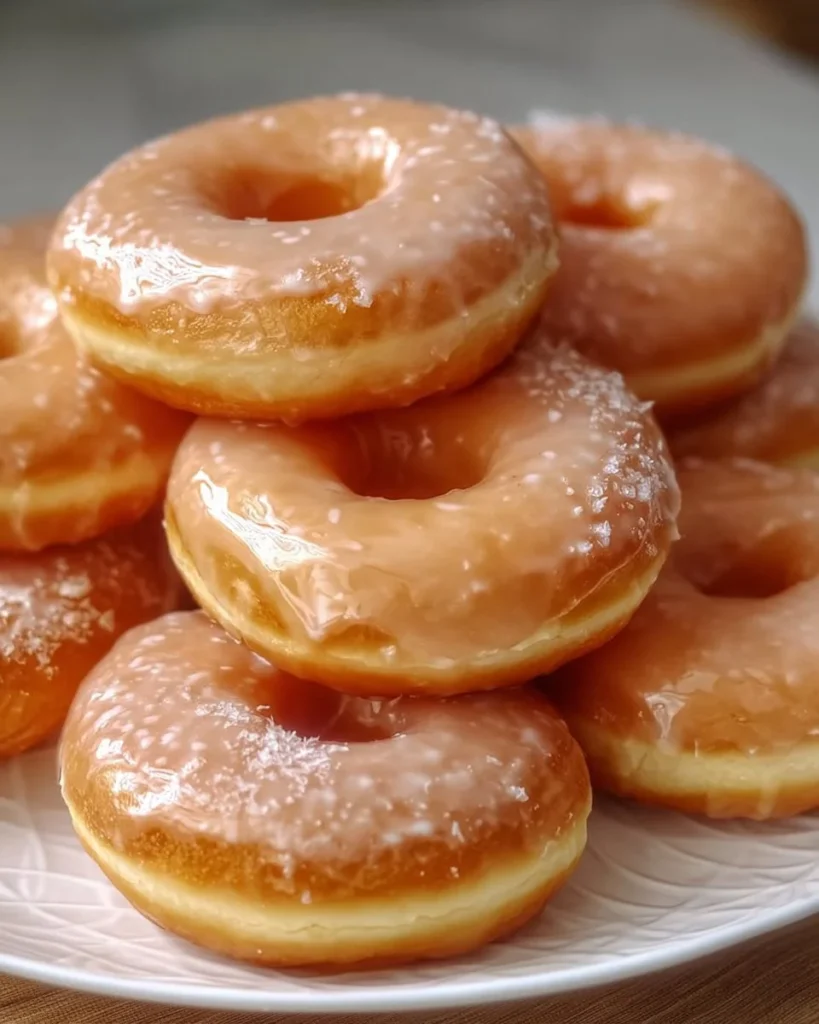
Thirteen ingredients, the fewest in this group, in forty minutes, the quickest here, ten servings at 218 calories, also the lightest. View the full recipe — 40 minutes, serves 10, 218 calories
Pumpkin Cake Donuts

Fourteen ingredients in forty two minutes, twelve servings at 284 calories. Pumpkin puree brings water, so this batter needs the chill more than a plain one. View the full recipe — 42 minutes, serves 12, 284 calories
Baked Pumpkin Donuts with Maple Glaze
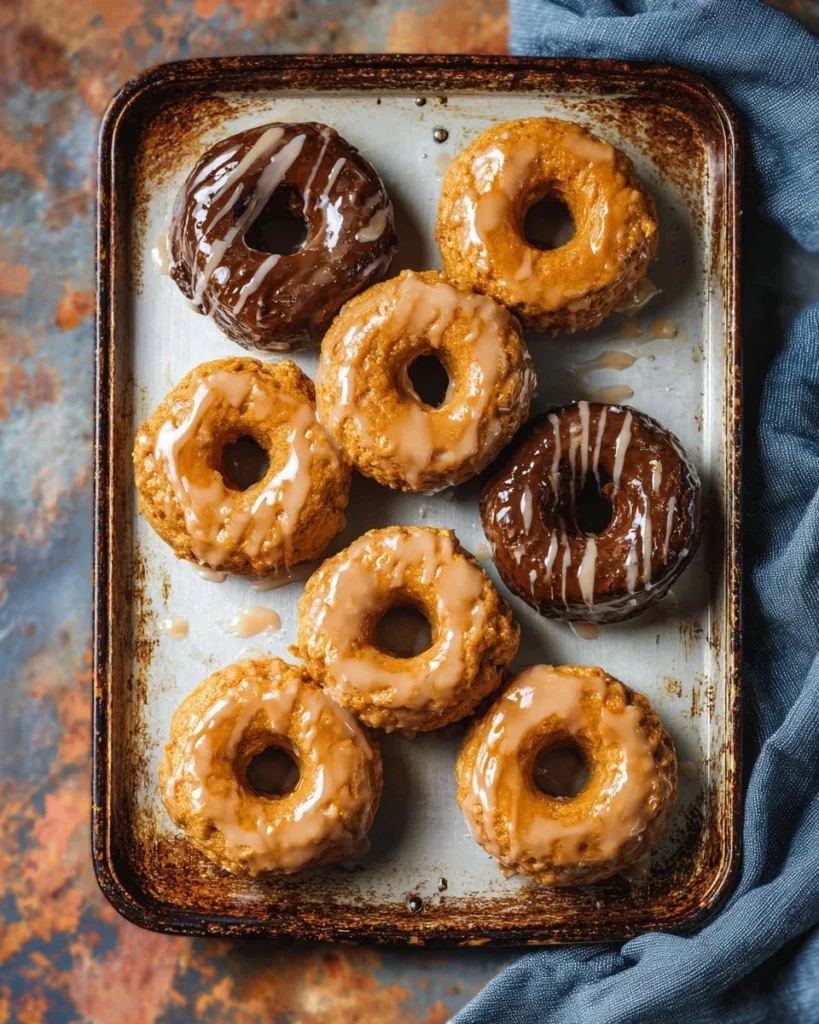
Fifteen ingredients, the most in this group, in forty two minutes, twelve servings at 308 calories, the heaviest here. Baked rather than fried, which honestly makes this a muffin in a ring pan, and a good one. View the full recipe — 42 minutes, serves 12, 308 calories
Yeast Raised Donuts
Two, both two hours fifteen, and almost all of that is proofing. The proof is the recipe: under proofed yeast donuts are dense and heavy, and over proofed ones collapse in the oil and soak up fat through their torn structure. They are ready when a dough piece floats and springs back slowly from a light press.
Yeast Raised Sugar Donuts
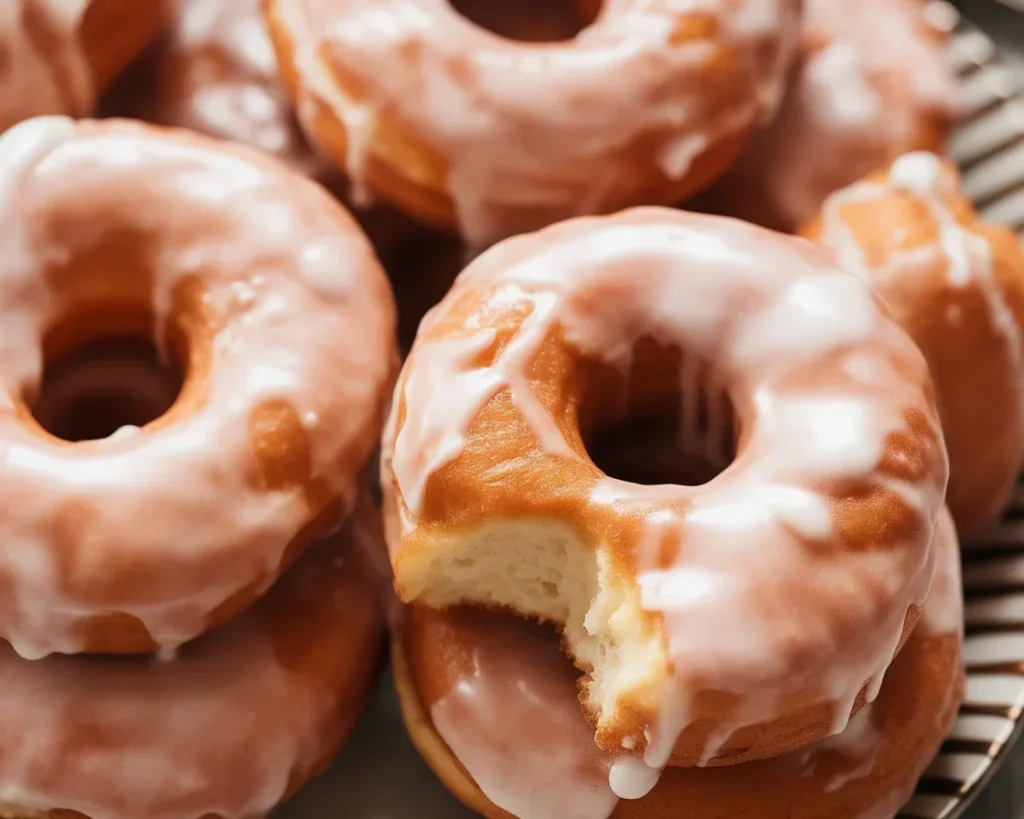
Eleven ingredients, the fewer of the two, in two hours fifteen, twelve servings at 224 calories, the lighter. View the full recipe — 135 minutes, serves 12, 224 calories
Bombolini Italian Doughnuts
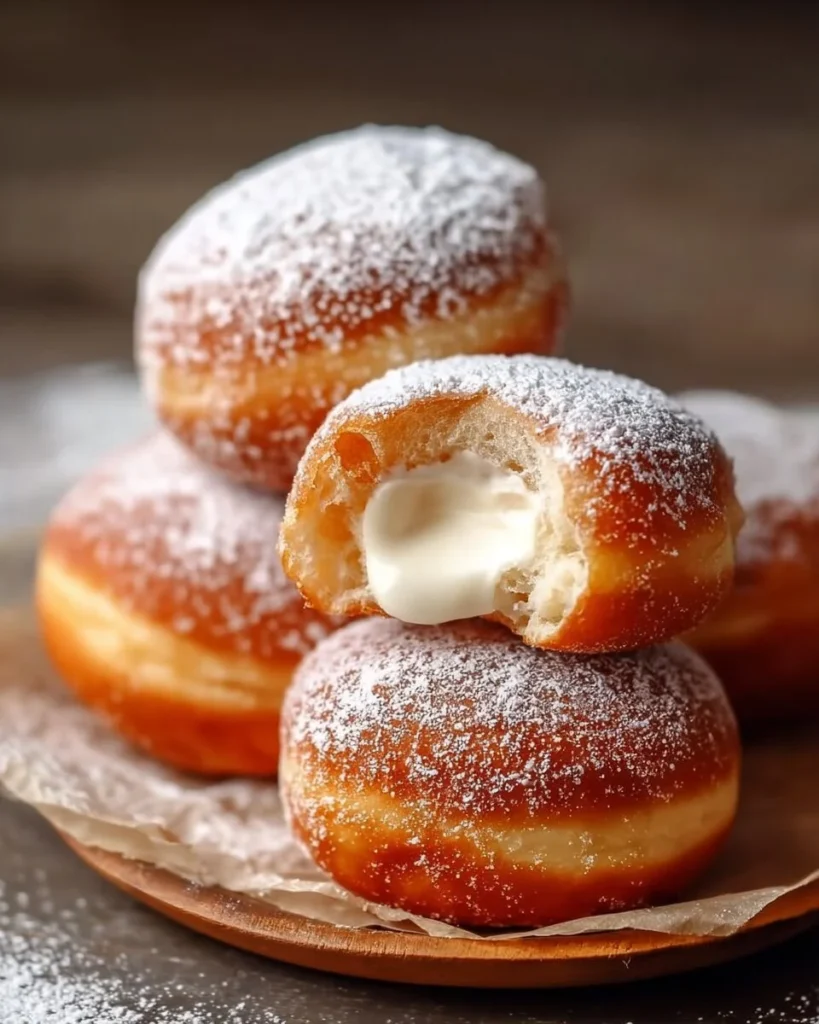
Twelve ingredients in two hours fifteen, twelve servings at 262 calories. Filled rather than ringed, which means they need to be fried a little longer and cooled before filling or the cream melts. View the full recipe — 135 minutes, serves 12, 262 calories
Holes, Bread and One Sandwich
Three that bend the format. Donut holes are the best value of anything here: no cutter, no rerolling, and far more surface per bite, which is the whole appeal of a donut.
Pumpkin Donut Holes
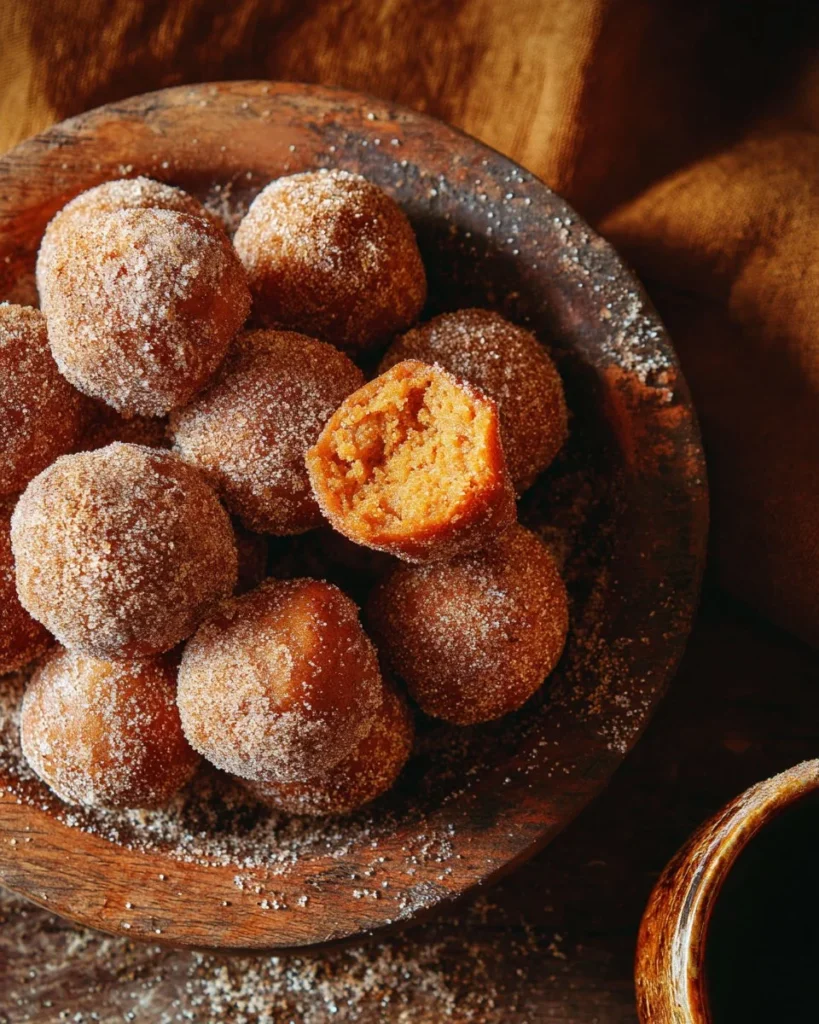
Sixteen ingredients, the longest list on this page, in thirty seven minutes, twenty four holes at 126 calories each, the lightest recipe here and the most portions. View the full recipe — 37 minutes, serves 24, 126 calories
Glazed Donut Grilled Cheese with Bacon and Maple Syrup

Four ingredients, the shortest list on this page, in twenty five minutes, the quickest recipe here, two servings at 289 calories. Sweet and savory in one pan, and better than it has any right to be. View the full recipe — 25 minutes, serves 2, 289 calories
Cinnamon Donut Bread
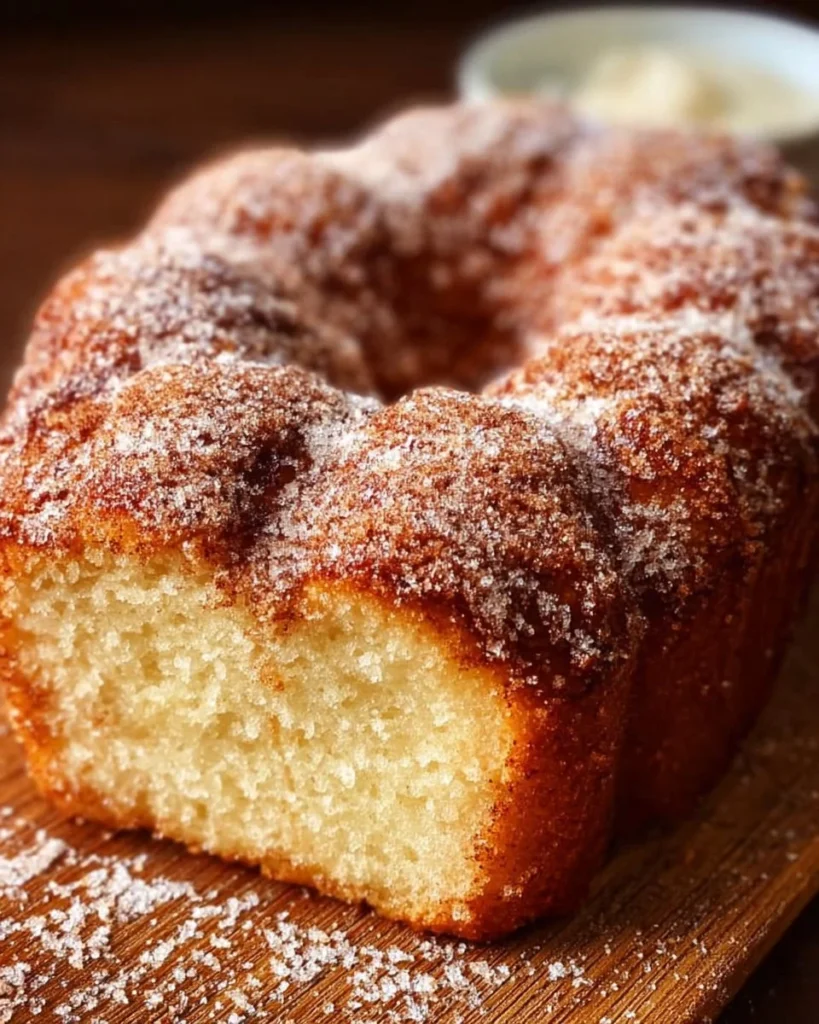
Twelve ingredients in sixty minutes, the longest in this group, ten servings at 321 calories, the heaviest recipe on this page. A loaf rolled in cinnamon sugar after baking, which is the part that makes it taste like a donut. View the full recipe — 60 minutes, serves 10, 321 calories
Before You Choose Your Recipe
Oil temperature decides whether a donut is good, and nothing else comes close. Too cool and the donut sits in the fat absorbing it instead of sealing, and it comes out heavy and greasy however golden it looks. Too hot and the outside browns while the middle is still raw batter, which is the more disappointing of the two because you cannot tell until you bite it. Use a thermometer rather than guessing, and know that the oil drops twenty five to fifty degrees the moment cold dough hits it, so fry three or four at a time and let the temperature climb back before the next batch. Cake donuts at 365F to 375F, yeast donuts at 350F to 360F. A neutral oil with a high smoke point is right: vegetable, canola, peanut or shortening. Olive oil is wrong on both flavour and smoke point. Two to three inches of depth is enough, and the pot should be deep enough that it is no more than half full, because the oil rises when the dough goes in. Ninety seconds a side is about right for a ring donut; a filled one needs longer. Cake donut dough is sticky and that is correct. The instinct is to add flour until it behaves, and that instinct produces a tough, bready donut. Chill it instead, thirty minutes in the refrigerator, and roll it on a lightly floured surface to about half an inch. Cut and fry promptly; dough left sitting after cutting spreads and loses its shape. Yeast donut dough is the opposite problem, an enriched dough with butter, eggs and sugar that takes longer to rise than plain bread dough because fat and sugar both slow yeast down. Give it the time the recipe says and judge it by the float test rather than the clock. Glazing is third and the timing is narrow. A donut glazed while still warm absorbs a thin layer into its surface and sets into a smooth sheen. A cold donut wears the glaze as a separate shell that cracks and flakes off. Glaze within a few minutes of frying, on a rack over a tray so the excess drips. Sugar coatings go on warm for the same reason, which is the one thing a cold donut will not hold. Finally, accept what donuts are: a same day food. No preservatives, a huge amount of surface area, and a crumb that stales within hours. Fry them the morning you want them, make the dough the night before if you need to split the work, and do not expect the second day to be worth much.
Donut Questions, Answered
What is the difference between a cake donut and a yeast donut?
Cake donuts are leavened with baking powder, go straight from bowl to fryer, and are dense and tender. Yeast donuts are proofed twice and come out light, airy and chewy. They also fry at different temperatures, and they are really two different foods sharing a shape.
What temperature should the oil be?
365F to 375F for cake donuts and 350F to 360F for yeast donuts, which are lighter and would colour before cooking through at higher heat. Use a thermometer, and fry only three or four at a time since cold dough drops the oil temperature sharply.
Why are my donuts greasy?
The oil was too cool. Below the right temperature the dough absorbs fat instead of sealing on contact, so it comes out heavy even when the colour looks right. Over proofed yeast dough does the same thing, because the torn structure lets oil in.
My donuts are brown outside and raw inside. Why?
The oil was too hot. Turn it down to the range above and give them the full ninety seconds a side. A filled donut needs longer still, since there is more dough to get through.
My cake donut dough is too sticky. Should I add flour?
No, chill it. Cake donut dough is meant to be sticky, and adding flour until it behaves gives you a tough, bready donut. Thirty minutes in the refrigerator makes it workable without changing the ratio.
How do I know when yeast donut dough has proofed enough?
It should have visibly risen and a piece should float in water and spring back slowly from a light press. Under proofed donuts are dense; over proofed ones collapse in the oil and absorb fat. The clock is less reliable than the test.
When should I glaze donuts?
Within a few minutes of frying, while they are still warm. A warm donut absorbs a thin layer of glaze into its surface and sets smooth, while a cold one wears it as a shell that cracks off. Sugar coatings also need the warmth to stick.
Can I make donuts ahead?
Not really. They have no preservatives, a great deal of surface area and a crumb that stales within hours, so they are a same day food. You can make the dough the night before and fry in the morning, which splits the work usefully.
More to Try
- Dessert Recipes — everything sweet
- Breakfast Recipes — where donuts belong
- Cinnamon Recipes — and why cinnamon slows yeast
- Pumpkin Recipes — four pumpkin versions here
- Muffin Recipes — what a baked donut really is
- Bread Recipes — enriched doughs and proofing
Browse all of our recipe collections.