The reason beef in a restaurant stir fry is silky and beef in a home one is grey and chewy is a step called velveting, and it is not a secret so much as something that rarely gets written into Western recipes. Thin sliced meat is tossed with a teaspoon or two of cornstarch, a splash of water or egg white, a little soy and a spoon of oil, then left for fifteen to thirty minutes. The cornstarch hydrates into a thin gel around each piece, and that gel holds the moisture in while the outside sears. It takes no skill and it is the single biggest improvement available on this page.
The other thing to accept is that a stir fry is five to eight minutes of cooking with no pauses in it. Once the pan is hot there is no time to chop an onion or find the soy sauce. Everything gets sliced, measured and lined up next to the stove first, which is why a stir fry feels like twenty minutes of work and four minutes of cooking. Eight recipes here, from twenty minutes to fifty five, and all of them serve four.
Chicken Stir Fries
Three, and chicken breast is the cut that benefits most from velveting because it has nothing to protect it. Slice it thin across the grain, toss it with cornstarch and a splash of liquid, and leave it while you prepare everything else.
Black Pepper Chicken Stir Fry

Eleven ingredients in fifty five minutes, the longest recipe on this page, at 247 calories, also the lightest. Black pepper rather than chile for the heat, and it wants to be coarsely cracked and added late, since its aroma is volatile. View the full recipe — 55 minutes, serves 4, 247 calories
Shredded Chicken Noodle Stir Fry with Chinese Broccoli

Eight ingredients, tied for the fewest on this page, in twenty five minutes, the quickest in this group, at 277 calories. View the full recipe — 25 minutes, serves 4, 277 calories
Lemon Chicken and Veggie Orzo Stir Fry
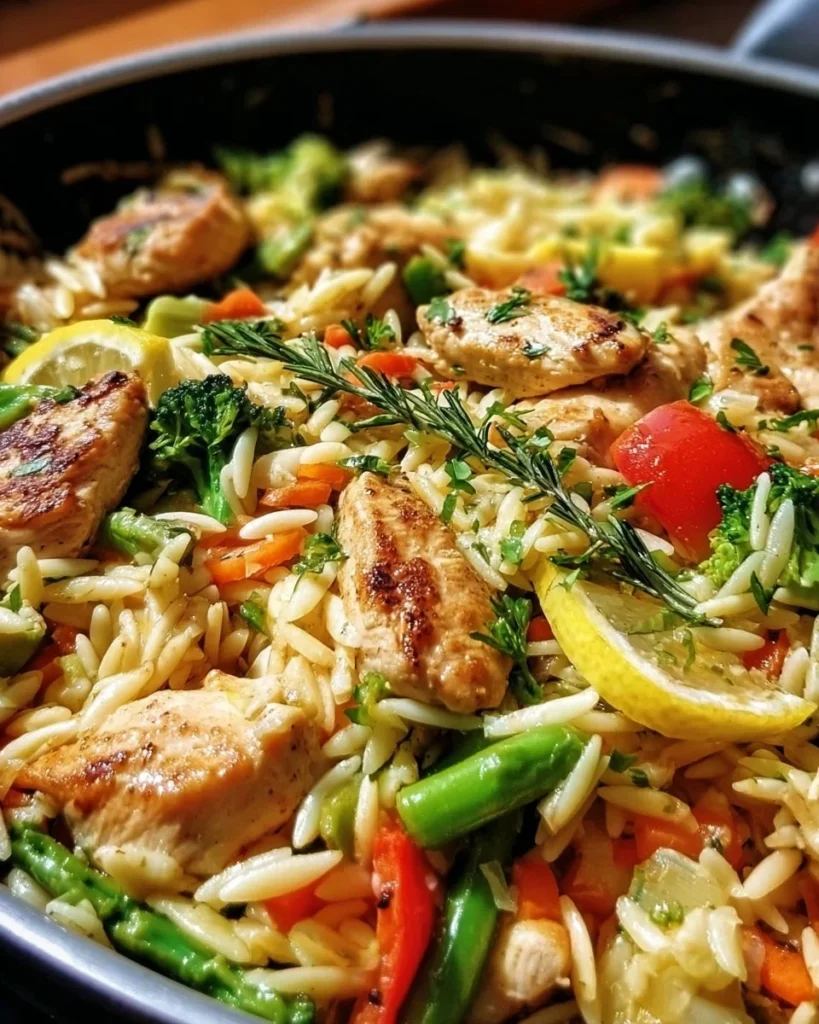
Fifteen ingredients, tied for the longest list on this page, in thirty minutes at 351 calories, the heaviest in this group. View the full recipe — 30 minutes, serves 4, 351 calories
Beef Stir Fries
Two, and the slicing is where these are won. Partially freeze the steak for twenty minutes and it firms up enough to cut genuinely thin, around an eighth of an inch, which is far harder on soft raw meat. Always across the grain, which matters more on sirloin and flank than on anything else.
Sirloin Beef Stir Fry with Garlic Ginger Sauce
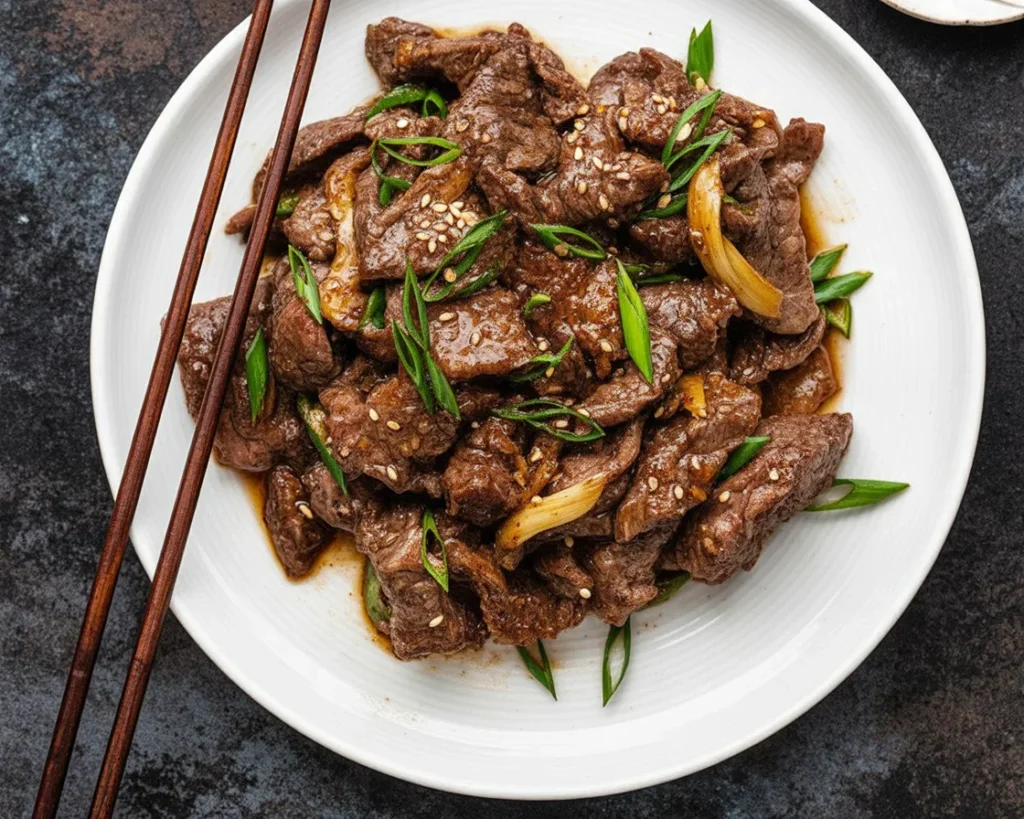
Thirteen ingredients in twenty minutes, the quickest recipe on this page, at 370 calories, the lighter of the two. View the full recipe — 20 minutes, serves 4, 370 calories
Chinese Beef and Onion Stir Fry
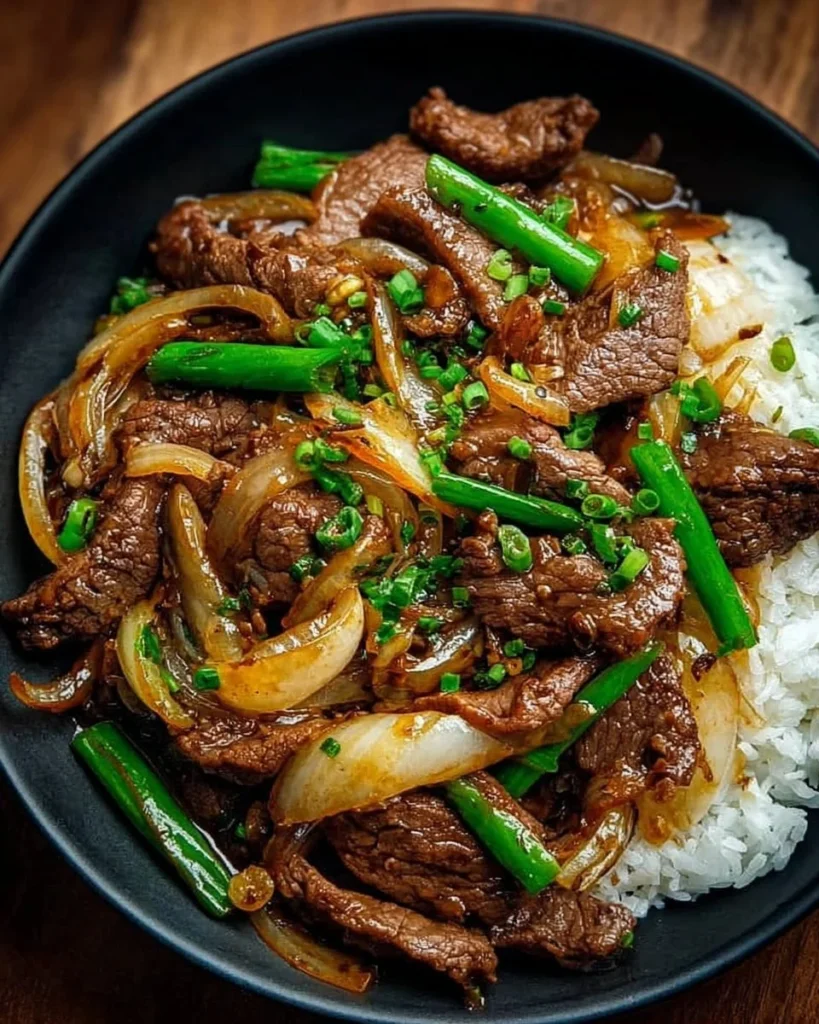
Fifteen ingredients, tied for the longest list on this page, in forty minutes at 386 calories. Onions in a Chinese stir fry are cut in wedges rather than sliced, so they keep some bite instead of collapsing. View the full recipe — 40 minutes, serves 4, 386 calories
Ground Turkey and Noodles
Three, and ground meat changes the method: there is nothing to velvet and nothing to slice, so the whole thing hinges on getting real browning before the sauce goes in. Spread it out, leave it alone for two minutes, then break it up.
Ginger Garlic Ground Turkey Stir Fry
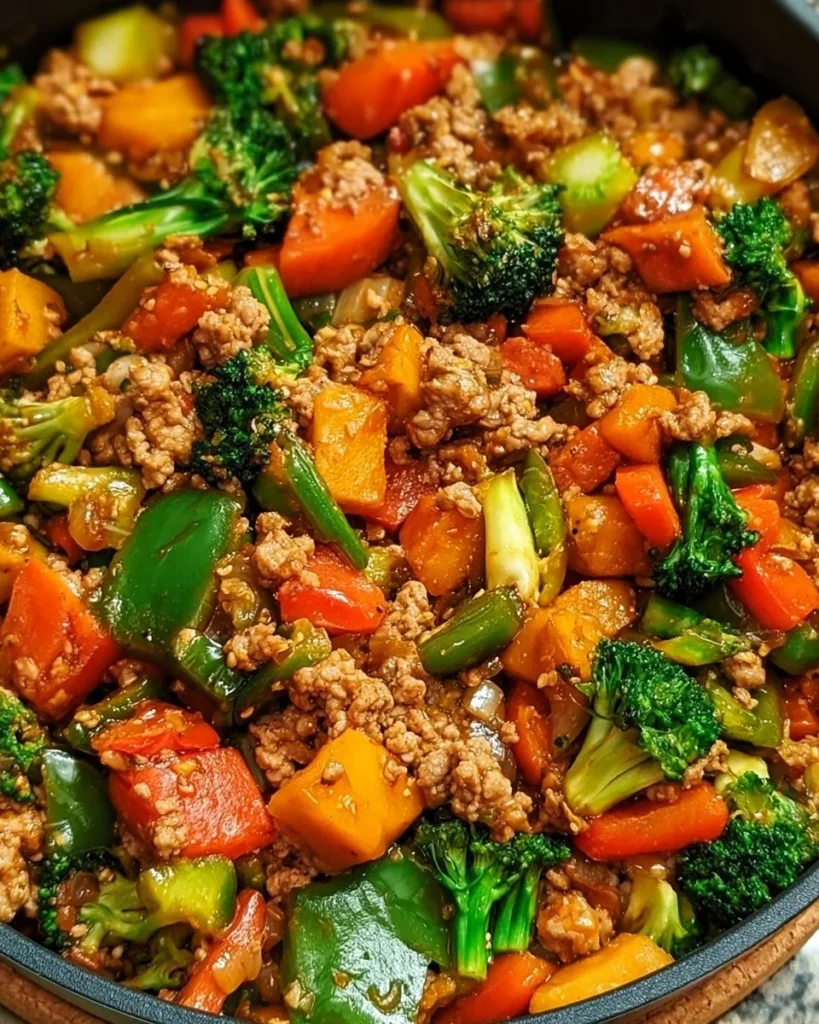
Eight ingredients, tied for the fewest on this page, in twenty five minutes, the quickest in this group, at 537 calories, also the lightest here. View the full recipe — 25 minutes, serves 4, 537 calories
Hokkien Noodle Stir Fry
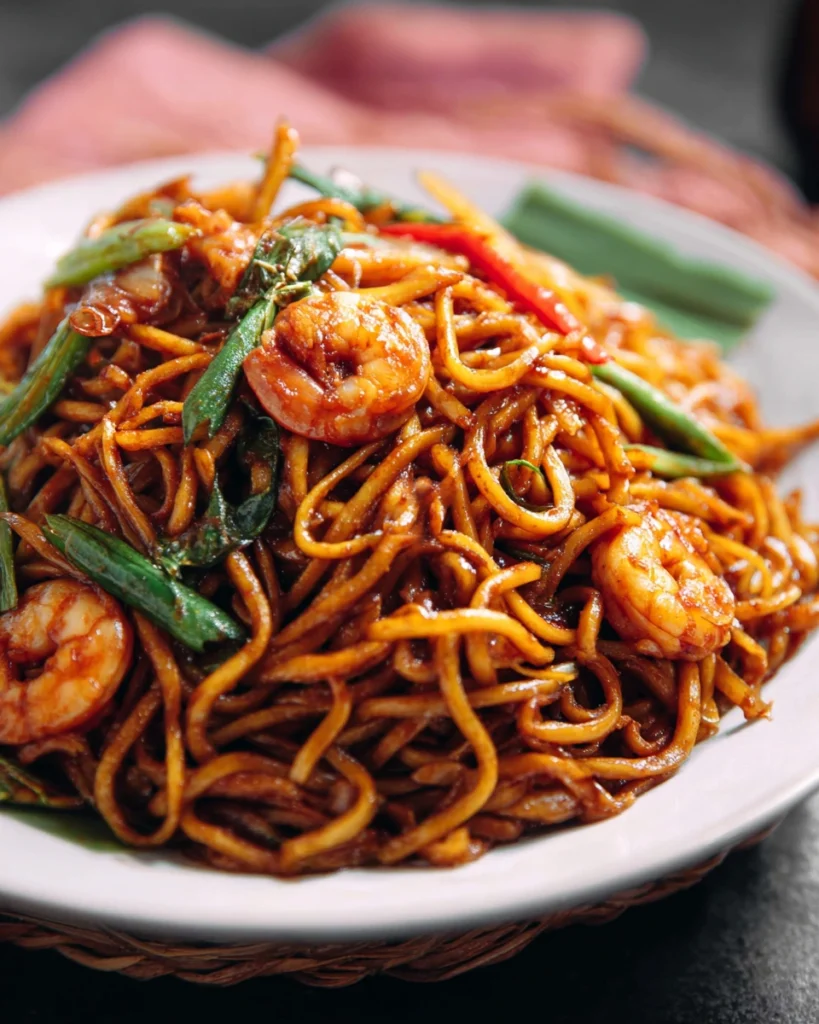
Nine ingredients in forty five minutes, the longest in this group, at 554 calories. Hokkien noodles come pre cooked and oiled, so they go in at the very end and need separating under warm water first. View the full recipe — 45 minutes, serves 4, 554 calories
Ground Turkey Green Bean Stir Fry with Hoisin
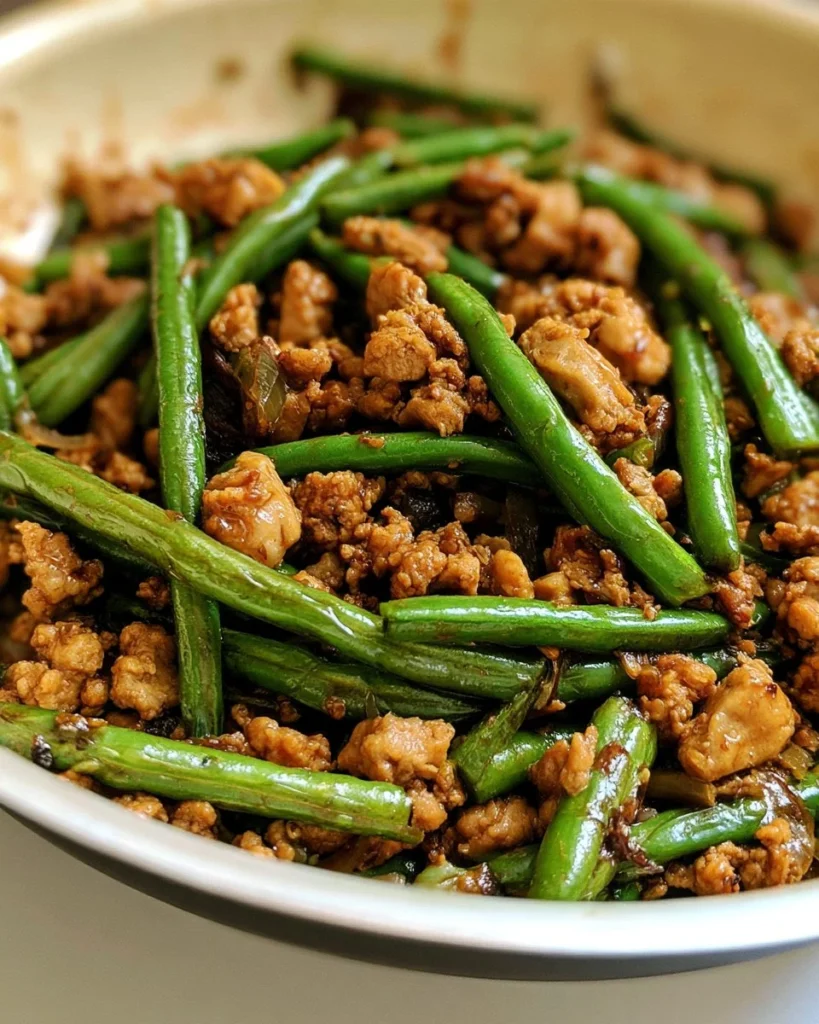
Thirteen ingredients, the most in this group, in thirty minutes at 571 calories, the heaviest recipe on this page. View the full recipe — 30 minutes, serves 4, 571 calories
Before You Choose Your Recipe
Five things make a stir fry work and the first is preparation. Everything sliced, everything measured, sauce mixed in a small bowl, aromatics in one pile, hard vegetables in another, soft ones in a third, all within reach. This is not tidiness for its own sake: the entire cook is five to eight minutes and the pan does not wait. Recipes that look like they have long prep times and short cook times are describing this honestly. Velveting is second, covered above, and it applies to any sliced meat. A teaspoon of cornstarch per half pound, a tablespoon of water or egg white, a splash of soy and a teaspoon of oil, mixed and left fifteen to thirty minutes. The starch gelatinises around the meat and holds its juice in while the surface browns, which is why restaurant chicken and beef stay tender through a very hot pan. Heat is third, and this is where a home kitchen is at a disadvantage worth naming. A restaurant wok burner runs several times hotter than a domestic hob, and that ferocious heat is what produces the faint smokiness Cantonese cooks call wok hei. You will not reproduce it, and you should stop trying. What you can do is work with what you have: use a wide flat pan rather than a deep wok, which contacts more of the burner, get it properly hot before anything goes in, and cook in batches. A crowded pan drops in temperature and everything steams instead of searing. Meat first in two batches, out onto a plate; then vegetables; then everything back together at the end. Fourth, resist stirring. The name is misleading. Food needs to sit still for twenty or thirty seconds at a time to actually take colour, and constant motion keeps every surface below browning temperature. Push things around every half minute, not continuously. Fifth, the sauce goes in last and it thickens itself. Mix soy, a little sugar, aromatics and a teaspoon of cornstarch into stock or water, and pour it in at the very end over high heat. It will thicken and coat everything within thirty seconds. Added early it boils, steams the ingredients and leaves them pale. Two smaller notes. Cut everything to a similar size so it cooks at the same rate, and cut hard vegetables such as carrot thinner than soft ones such as pepper. And aromatics, meaning garlic and ginger, go in for thirty seconds before anything wet arrives and burn in about sixty, so they are added after the meat has come out rather than at the very start.
Stir Fry Questions, Answered
What is velveting and do I need it?
Tossing thin sliced meat with cornstarch, a little liquid and oil, then resting it fifteen to thirty minutes. The starch forms a gel around each piece that holds moisture in while the outside sears. It is the main reason restaurant stir fry meat is tender and home versions are not.
Why is my stir fry watery and pale?
The pan was crowded or not hot enough, so everything steamed rather than seared. Cook the meat in two batches and remove it, then the vegetables, then combine at the end. Adding the sauce too early does the same thing.
Do I need a wok?
No, and a flat bottomed pan is often better on a domestic hob because it contacts more of the burner. A round bottomed wok is designed for a ring of flame coming up its sides, which a home stove does not provide.
Can I get wok hei at home?
Not really. That faint smokiness comes from a burner several times hotter than anything in a home kitchen. Get the pan as hot as it goes, cook in batches and accept the trade; the food will still be good.
How thin should I slice the meat?
About an eighth of an inch, across the grain. Partially freezing it for twenty minutes firms it enough to cut that thin, which is very difficult on soft raw meat and makes a visible difference to tenderness.
When should the sauce go in?
At the very end, over high heat, with a teaspoon of cornstarch already mixed into it. It will thicken and coat everything in about thirty seconds. Sauce added early boils and steams the ingredients.
Should I stir constantly?
No, despite the name. Food needs to sit still for twenty or thirty seconds to take any colour, and constant motion keeps the surfaces below browning temperature. Move things every half minute instead.
When do the garlic and ginger go in?
After the meat comes out, for about thirty seconds, just before the liquid. They burn in roughly a minute at stir fry heat, and burnt garlic is acrid in a way nothing covers up.
More to Try
- Asian Recipes — every cuisine, one page
- Fried Rice Recipes — and why day old rice matters
- 30 Minute Recipes — most of these qualify
- Beef Recipes — and how to slice it
- High Protein Chicken Recipes — chicken breast, kept tender
- Skillet Dinner Recipes — one pan, high heat
Browse all of our recipe collections.