The seeds are not the hot part. Capsaicin is produced in the placental tissue, the white spongy membrane the seeds are attached to, and the seeds themselves carry almost none of it. They only taste hot because they have been sitting against the pith. So the familiar instruction to remove the seeds works, but by accident: what actually reduces the heat is scraping out that white membrane with the tip of a spoon, and you can leave the seeds in if you want.
The harder problem is that you cannot predict how hot a given jalapeno will be. Two peppers from the same plant can differ by a factor of ten, because capsaicin production rises with stress: heat, drought, and age. The pale striations some people call corking on the skin of an older pepper are a reasonable sign of a hotter one. Taste a sliver before you commit, and add in stages. Thirteen recipes here, from twenty five minutes to just over five hours.
Jalapeno Popper, Five Ways
Five versions of the same idea on this site, and rather than treat that as an accident: the jalapeno popper flavour is jalapeno, cream cheese and bacon, and it has been transplanted into a soup, another soup, a macaroni salad, a meatloaf and a tray of enchiladas. The cream cheese is not decoration. Capsaicin is fat soluble and binds to casein in dairy, so the cheese is genuinely moderating the heat rather than only adding richness.
Spicy Jalapeno Popper Soup with Avocado Cream
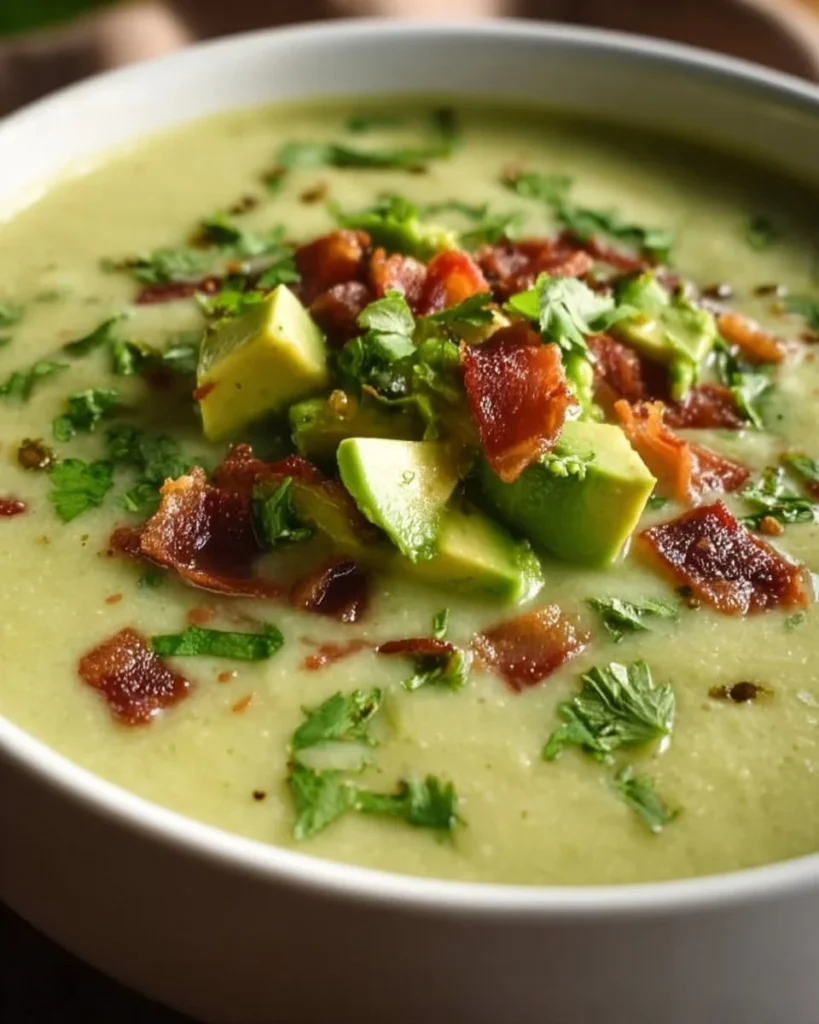
Thirteen ingredients, tied for the most in this group, in forty minutes at 247 calories, the lightest here. View the full recipe — 40 minutes, serves 4, 247 calories
Smoky Jalapeno Popper Soup with Grilled Chicken
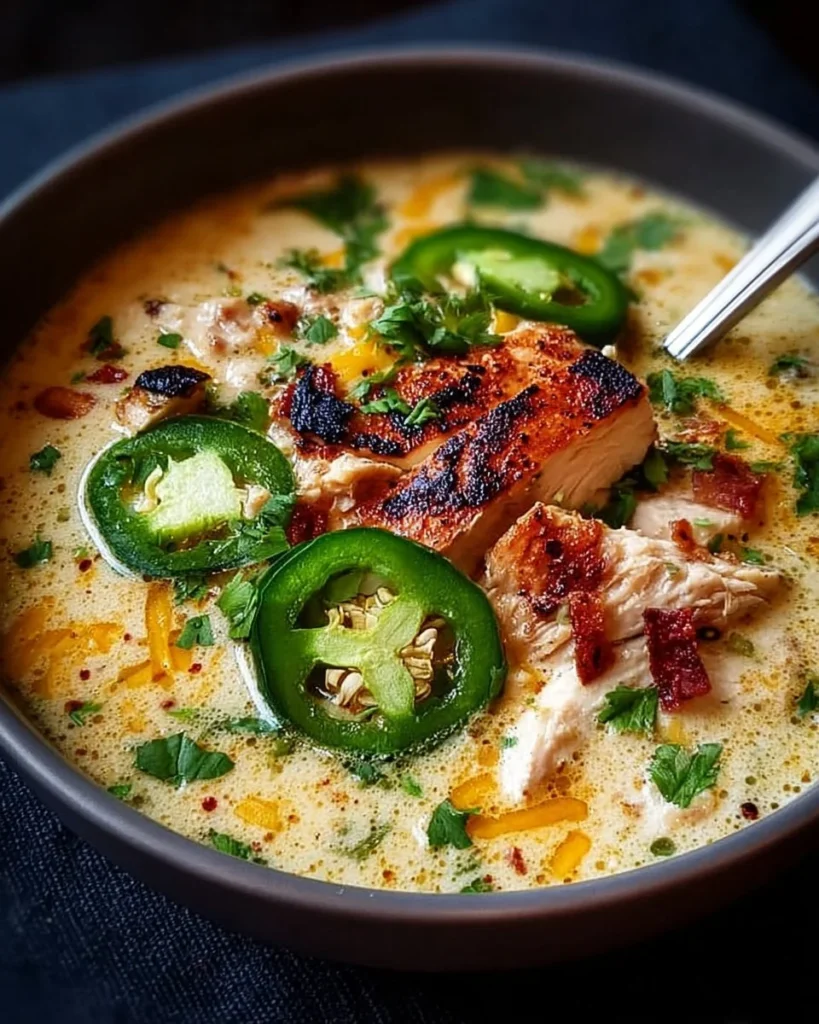
Eleven ingredients, tied for the fewest in this group, in thirty five minutes, the quickest here, six servings at 358 calories. View the full recipe — 35 minutes, serves 6, 358 calories
Jalapeno Popper Macaroni Salad

Eleven ingredients, tied for the fewest in this group, in seventy minutes, the longest here, eight servings at 473 calories. View the full recipe — 70 minutes, serves 8, 473 calories
Jalapeno Popper Meatloaf with Ranch Drizzle

Eleven ingredients, tied for the fewest in this group, in sixty five minutes at 508 calories. View the full recipe — 65 minutes, serves 4, 508 calories
Jalapeno Popper Chicken Enchiladas with Creamy Sauce

Thirteen ingredients, tied for the most in this group, in forty five minutes at 795 calories, the heaviest recipe on this page. View the full recipe — 45 minutes, serves 4, 795 calories
Dips, Jelly and Bagels
Three where the pepper is the main event. The roasted dip is worth noting: roasting a jalapeno breaks down its cell walls and caramelises its sugars, which makes it sweeter and reads as less hot, even though the capsaicin itself is heat stable and does not actually decrease.
Roasted Jalapeno Cream Cheese Dip with BBQ Swirl
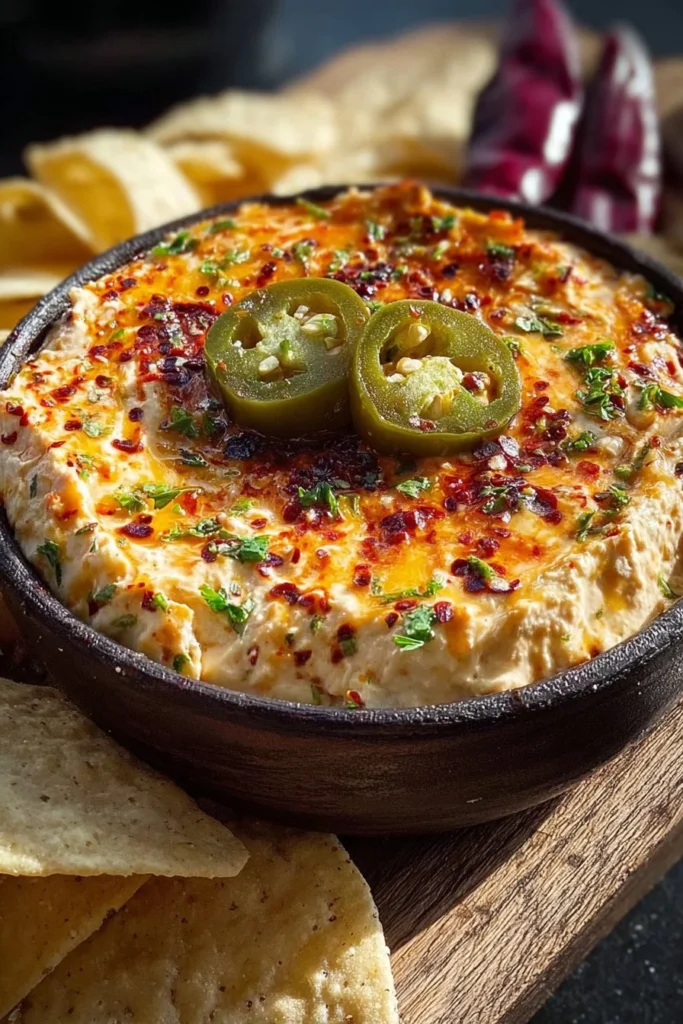
Ten ingredients in eighty five minutes, six servings at 191 calories, the lightest recipe on this page. View the full recipe — 85 minutes, serves 6, 191 calories
Jalapeno Cheddar Sourdough Bagels

Thirteen ingredients, the most in this group, over five hours five, the longest recipe on this page, eight servings at 229 calories. Most of that is the sourdough fermentation rather than anything to do with the peppers. View the full recipe — 305 minutes, serves 8, 229 calories
Pineapple Jalapeno Pepper Jelly

Six ingredients, the shortest list on this page, in sixty five minutes, the quickest in this group, at 234 calories, the heaviest here. View the full recipe — 65 minutes, serves 4, 234 calories
Sweet and Spicy
Three built on the pairing that makes jalapeno so useful. Sugar does not neutralise capsaicin the way fat does, but it occupies a different part of the palate, so sweetness alongside heat reads as balance rather than as either one being reduced. This is why hot honey, pepper jelly and sweet jalapeno cornbread all work.
Sweet Jalapeno Cornbread
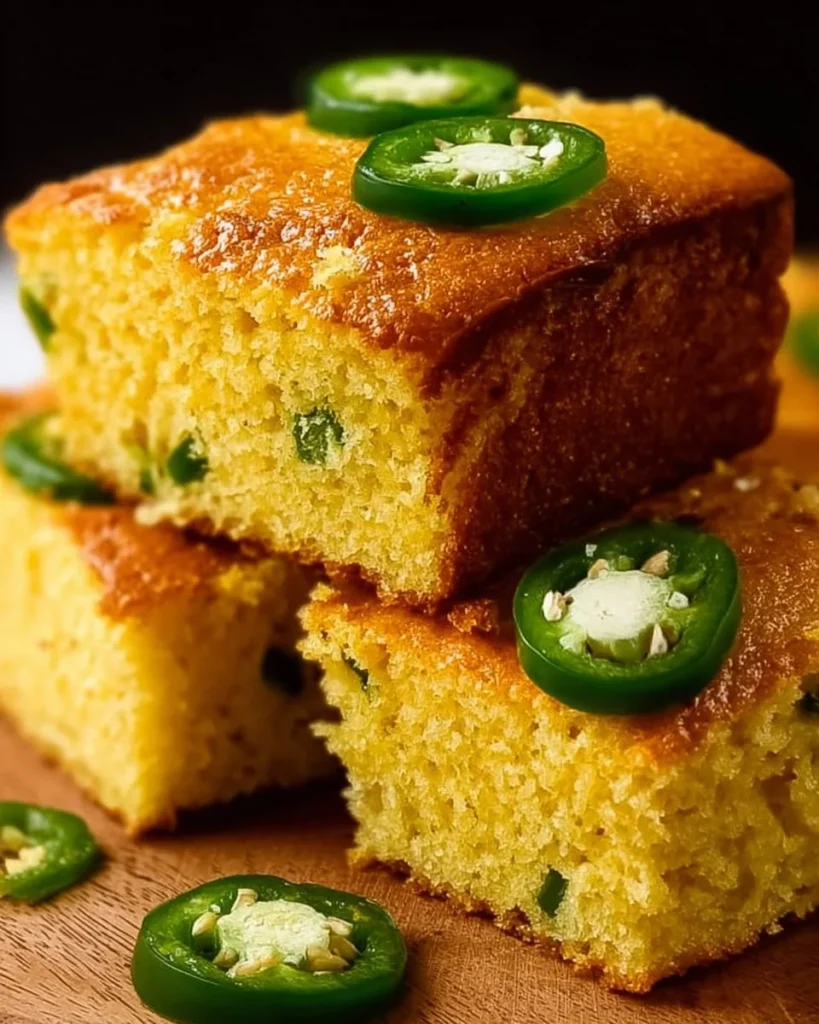
Ten ingredients in thirty five minutes, twelve servings at 219 calories, the lightest in this group and the most portions on this page. View the full recipe — 35 minutes, serves 12, 219 calories
Jalapeno Peach Chicken

Eight ingredients, the fewest in this group, in twenty five minutes, the quickest recipe on this page, at 323 calories. View the full recipe — 25 minutes, serves 4, 323 calories
Cheesy Hot Honey Chicken Quesadillas with Spicy Jalapeno Cream Sauce

Seventeen ingredients, the longest list on this page, in forty minutes, the longest in this group, at 746 calories, the heaviest here. View the full recipe — 40 minutes, serves 4, 746 calories
Chili and a Margarita
Two where the heat is meant to be felt. In the chili the jalapeno goes in early so the capsaicin disperses through the fat in the dish; in the drink it is muddled fresh, where the heat arrives sharp and immediate because there is no fat to carry it away.
Spicy Cucumber Jalapeno Margarita with Cilantro Salt
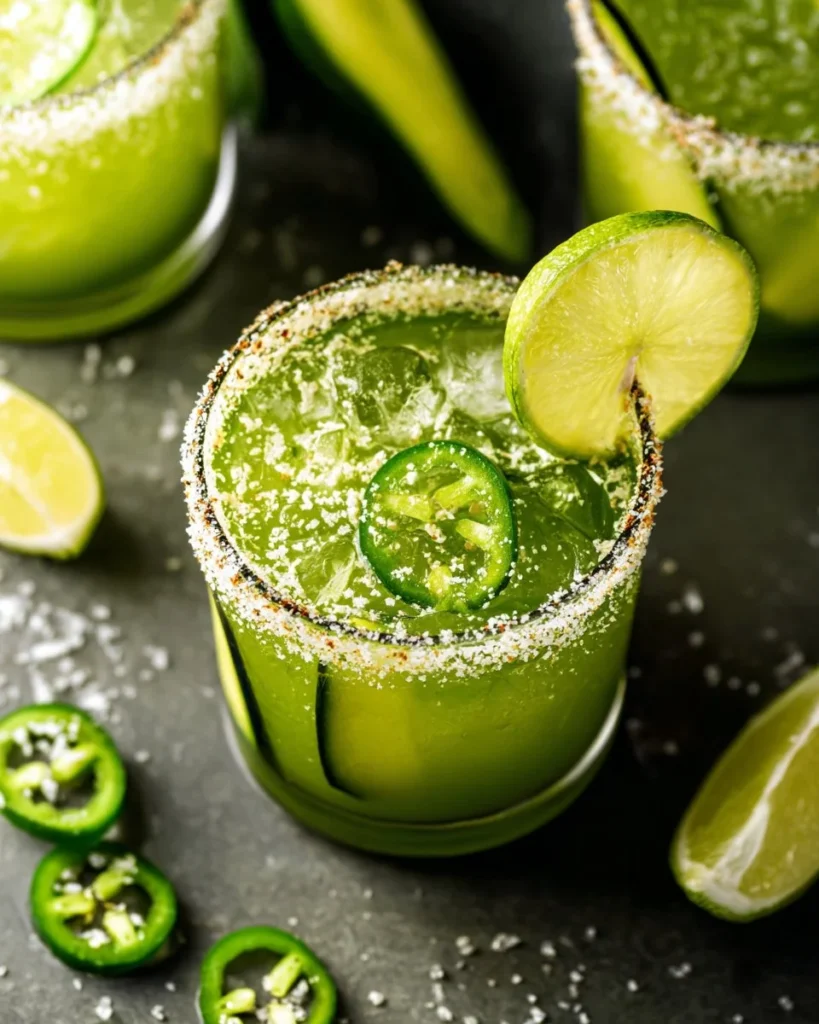
Eleven ingredients, the fewer of the two, in fifty five minutes, the longer here, at 323 calories, the lighter. View the full recipe — 55 minutes, serves 4, 323 calories
Spicy Jalapeno Beef Chili

Twelve ingredients in forty five minutes, six servings at 383 calories. View the full recipe — 45 minutes, serves 6, 383 calories
Before You Choose Your Recipe
Handling first, because it is the part people learn the hard way. Capsaicin is an oil and it does not wash off with water. It transfers to your hands, stays there through a rinse, and then moves to your eyes hours later. Wear gloves for more than a couple of peppers, or wash with dish soap and warm water, which dissolves oil as plain water cannot. Rubbing alcohol works too. Never touch your face, and be careful with contact lenses. The same chemistry explains why water makes a mouthful of chili worse and milk makes it better: water spreads an oil around, while the casein in dairy binds capsaicin and lifts it off the receptors. Yogurt, sour cream, whole milk and ice cream all work; a glass of water does not. Controlling the heat has three levers. The pith, as above, is where almost all of it lives, so scrape the white membrane out with a spoon tip for a mild result and leave it in for a hot one. The quantity is the obvious one, but taste a sliver first, since two peppers can differ by ten times. And the cooking method matters: fresh raw jalapeno is sharp and immediate, cooked jalapeno is rounder, and roasted jalapeno is sweeter and reads as considerably milder, even though roasting does not destroy capsaicin, which is heat stable up to temperatures no kitchen reaches. If a dish has come out too hot, the fixes are dairy, fat, acid and sugar, in that order, plus more of everything else to dilute it. What does not work is cooking it longer. Two notes on buying. A smooth, dark green, firm jalapeno is younger and generally milder. One with pale lines cracking across its skin, which growers call corking, has been on the plant longer and is usually hotter, and often more flavourful with it. Red jalapenos are simply ripe ones: sweeter, fruitier and often hotter than the green stage of the same pepper. And a note on what else is in the shop: a serrano is a smaller, thinner pepper roughly three to five times hotter than a jalapeno and can be substituted if you use less. A poblano is much larger and barely hot at all. A chipotle is a smoked, dried, ripe jalapeno, which is why it tastes of smoke rather than of fresh pepper and cannot stand in for one.
Jalapeno Questions, Answered
Are the seeds the hot part of a jalapeno?
No. Capsaicin is produced in the white pith that the seeds attach to, and the seeds themselves carry almost none. Removing the seeds helps only because the pith comes with them. Scrape the membrane out with a spoon tip and you can leave the seeds in.
Why are some jalapenos much hotter than others?
Capsaicin production rises with plant stress, so heat, drought and the age of the pepper all push it up. Two peppers from one plant can differ tenfold. Pale lines cracking across the skin, called corking, usually mean an older and hotter pepper.
How do I make a dish less spicy?
Dairy first, since the casein in milk, yogurt and sour cream binds capsaicin and lifts it off the receptors. Then fat, then acid, then sugar, then simple dilution with more of everything else. Cooking it longer does nothing; capsaicin is heat stable.
Why does water make chili heat worse?
Because capsaicin is an oil and water only spreads it around the mouth. Milk works for the opposite reason: casein binds the oil and carries it away. Reach for yogurt, sour cream or whole milk rather than a glass of water.
How do I get jalapeno off my hands?
Dish soap and warm water, or rubbing alcohol. Capsaicin is an oil and a plain water rinse leaves it on your skin, from where it will reach your eyes hours later. Gloves are worth it beyond a couple of peppers.
Does roasting make jalapenos milder?
It tastes milder, and that is partly an illusion. Roasting breaks down cell walls and caramelises the sugars, so the pepper is sweeter and rounder, but the capsaicin itself survives. The heat is still there, better disguised.
What is the difference between a jalapeno and a chipotle?
A chipotle is a ripe jalapeno that has been smoked and dried. That is why it tastes of smoke and dried fruit rather than of fresh green pepper, and why it cannot be substituted for a fresh jalapeno in either direction.
Can I use serrano instead of jalapeno?
Yes, with less of it. A serrano is roughly three to five times hotter and thinner walled, so use about a third as much. A poblano is the opposite, much larger and barely hot, and works where you want pepper flavour without heat.
More to Try
- Dip Recipes — where the cream cheese dip belongs
- Chili Recipes — and where the heat goes in
- Mexican Recipes — every dish, one page
- Cornbread Recipes — and the sugar question
- Cream Cheese Recipes — why casein binds capsaicin
- Game Day Recipes — poppers and dips
Browse all of our recipe collections.