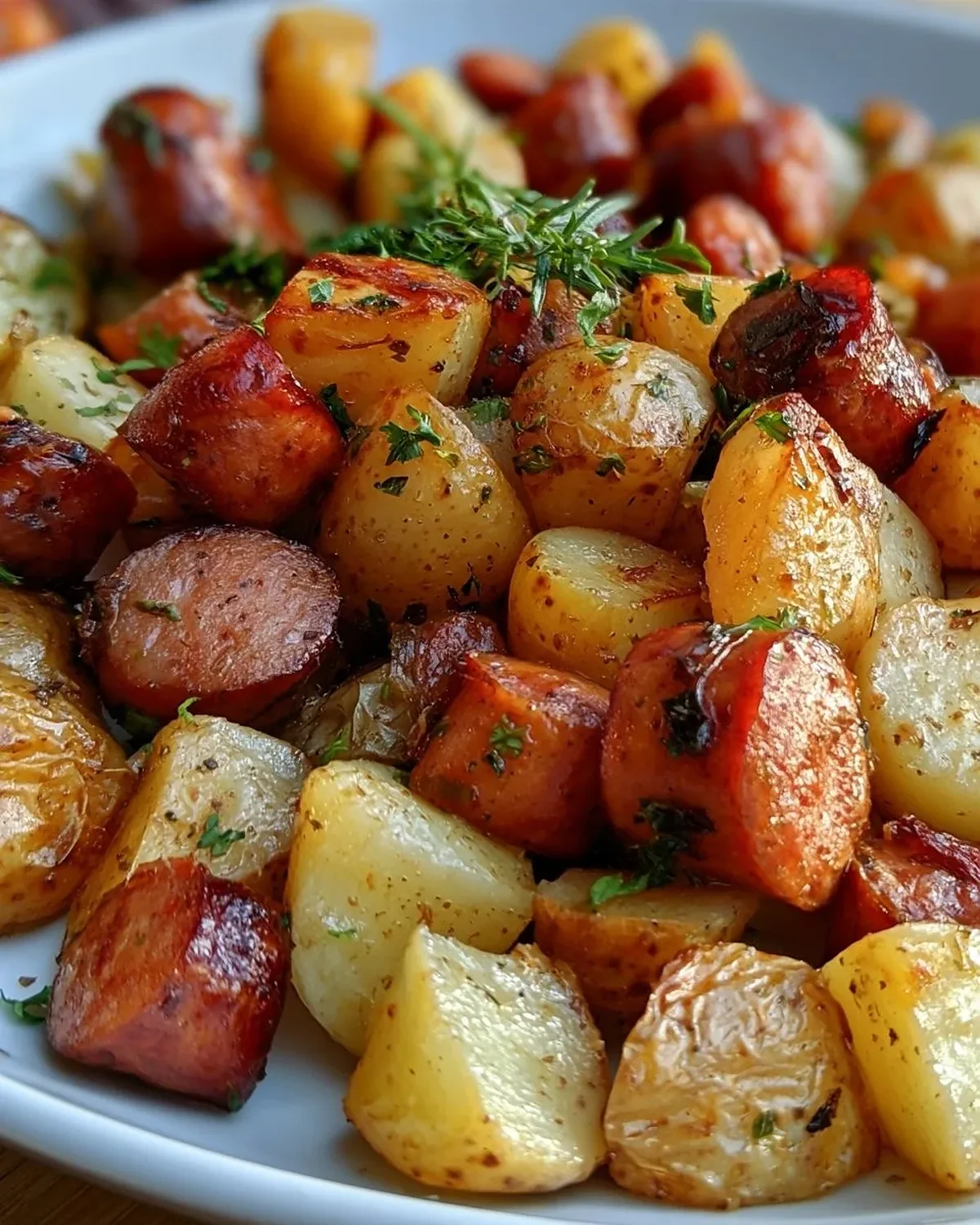
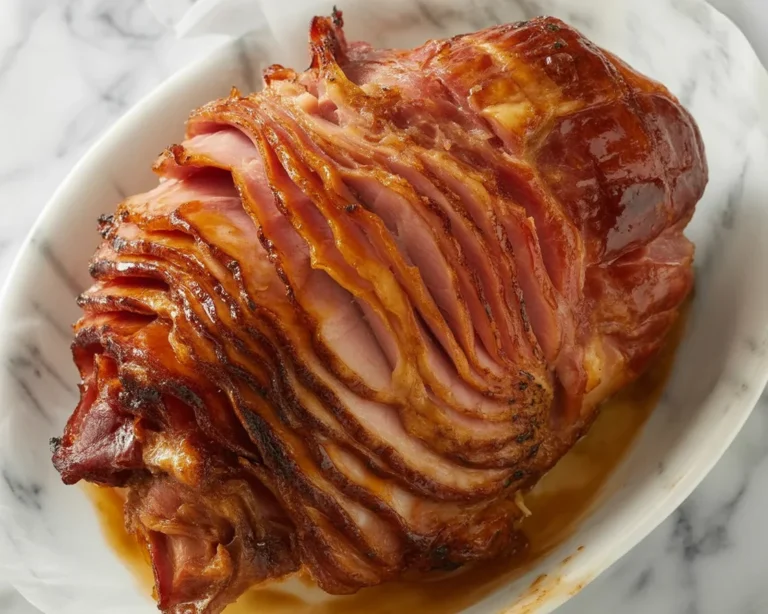
Almost every ham sold in an American supermarket is already fully cooked. It is a city ham: wet cured by injecting brine, then smoked and cooked at the plant, and it arrives ready to eat cold. Baking it is reheating, not cooking, which means the only real risk is overdoing it. Take it to an internal temperature of around 140F and no further, because every degree past that is squeezing moisture out of meat that was already done when you bought it.
A country ham is a different food: dry cured, packed in salt for months, closer to prosciutto than to the pink thing in the deli case. It needs soaking for hours or days to be edible and it cannot be treated like a city ham. Check the label, which will say fully cooked, cook before eating, or country ham, and those three instructions mean three different afternoons. Nine recipes here, from twenty five minutes to over nine hours.
Ham and Cheese Pastries
Four built on ham as a deli ingredient rather than a roast. Deli ham carries a lot of water, so blot the slices before they go into pastry: a wet filling steams the dough from inside and you lose the layers you were paying for.
Ham and Cheese Puffs

Six ingredients in thirty five minutes, tied for the longest in this group, eighteen puffs at 78 calories each, the lightest recipe on this page and the most portions. View the full recipe — 35 minutes, serves 18, 78 calories
Ham and Veggie Egg Bites

Eight ingredients, tied for the most in this group, in thirty minutes, six servings at 183 calories. View the full recipe — 30 minutes, serves 6, 183 calories
Ham Mozzarella Puff Pastry Stacks

Eight ingredients, tied for the most in this group, in thirty five minutes, tied for the longest here, six servings at 207 calories. View the full recipe — 35 minutes, serves 6, 207 calories
Crescent Ham Cheese Sticks

Five ingredients, the shortest list on this page, in twenty five minutes, the quickest recipe here, eight servings at 233 calories, the heaviest in this group. View the full recipe — 25 minutes, serves 8, 233 calories
Ham Soups
Three, and this is where ham is most valuable. A ham bone or a hock carries three things nothing else gives you at once: collagen that becomes gelatin and bodies the broth, smoke, and salt. The bone from a glazed ham is worth more than the leftover meat, and it should never go in the bin.
Stovetop Ham and Bean Soup

Nine ingredients, the fewest in this group, in seventy five minutes, six servings at 300 calories, the lightest here. Salt at the very end; the ham has already seasoned the pot more than you expect. View the full recipe — 75 minutes, serves 6, 300 calories
Hoppin John with Ham Hock
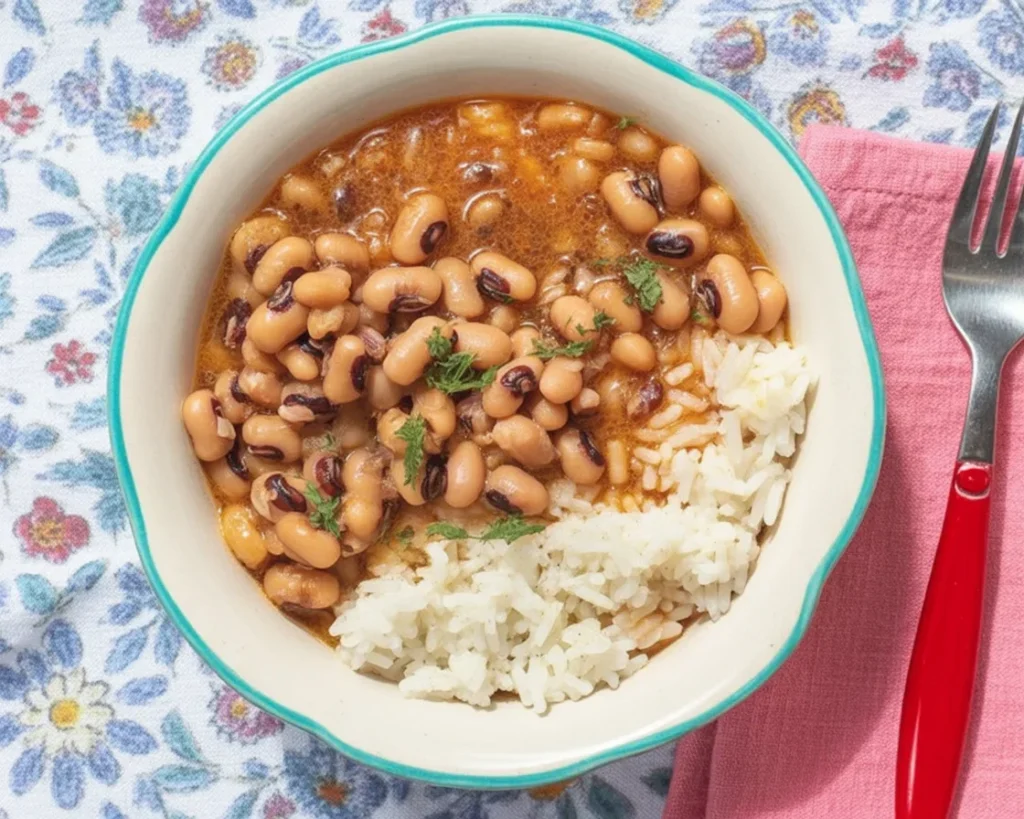
Ten ingredients, tied for the most on this page, over nine hours twenty, the longest recipe here, at 362 calories. A hock is mostly skin, fat and connective tissue, which is exactly why it needs that long and exactly what it gives back. View the full recipe — 560 minutes, serves 4, 362 calories
Dutch Oven Ham and Potato Soup with Cream of Celery

Ten ingredients, tied for the most on this page, in forty five minutes, the quickest in this group, at 533 calories, the heaviest recipe on this page. View the full recipe — 45 minutes, serves 4, 533 calories
Baked and Glazed
Two in the oven, and the glaze timing is the thing to get right. Ham glaze is sugar with acid in it, and sugar begins caramelising around 320F and burns shortly after. It goes on in the last twenty to thirty minutes, in two or three thin coats, never at the start of a two hour bake.
Cheesy Hash Brown Ham Bake

Eight ingredients, the fewer of the two, in sixty five minutes, the quicker here, eight servings at 345 calories, the lighter. View the full recipe — 65 minutes, serves 8, 345 calories
Maple Glazed Ham
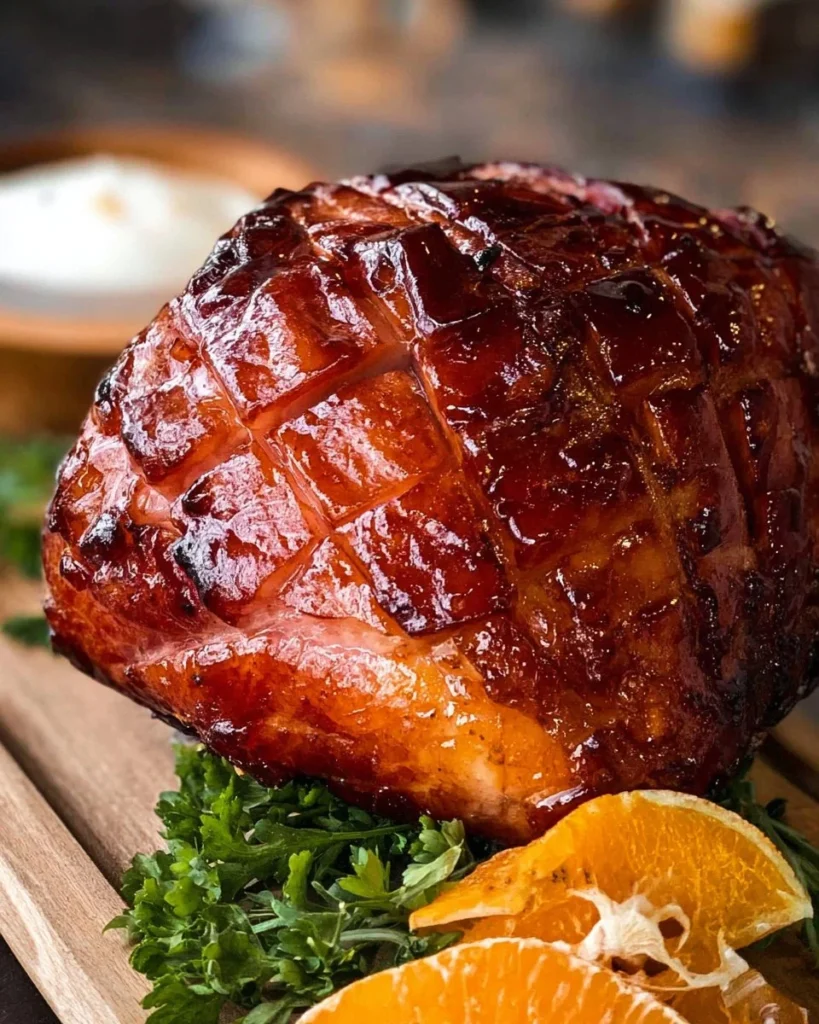
Nine ingredients in three and a half hours, sixteen servings at 375 calories, the most portions on this page. Score the fat in a diamond pattern, cutting through the fat only and not into the meat. View the full recipe — 210 minutes, serves 16, 375 calories
Before You Choose Your Recipe
Read the label first, because it determines everything. Fully cooked means reheat only: 325F, covered, loosely tented with foil, until the center reaches about 140F, which works out at roughly ten to twelve minutes a pound for a bone in half ham. Cook before eating means a fresh or partially cooked ham that needs to reach 145F and a rest. Country ham means dry cured and heavily salted, and it needs soaking, usually overnight and sometimes for days with the water changed, before you do anything else. The most common ham disaster is treating a fully cooked ham as though it needed cooking and serving something dry and salty two hours later. Scoring and glazing. The diamond pattern on a baked ham is functional rather than decorative: it increases the surface area the glaze clings to and lets the fat render out and baste the meat. Cut about a quarter inch deep, through the fat cap and not into the meat underneath, because every cut into muscle is a channel for juice to escape. Then glaze late. Most glazes are brown sugar, honey or maple with mustard, vinegar or fruit juice for acid, and that sugar will carbonise long before a two hour bake is over. Last twenty to thirty minutes, two or three thin coats, each left to set before the next, and finish under the broiler for two minutes if you want it lacquered. Salt is the other thing to plan around. Ham is cured, which means it is salty by design, and it salts whatever it is cooked with. Season every dish on this page at the end rather than the start, and taste before adding anything; bean soups made with a ham hock frequently need no added salt at all. If a dish has come out too salty, more liquid and more starch are the only real fixes, and a peeled raw potato simmered in it genuinely helps by absorbing some of the brine. On leftovers, which is most of the point of a large ham. The meat keeps three to four days refrigerated and freezes for a couple of months, diced in portions. The bone goes straight into a pot with water, an onion and a bay leaf for the best bean or pea soup base available, and it will give up its gelatin over two or three hours. A hock, which is mostly skin, fat and connective tissue, needs longer still, and the hoppin john above runs over nine hours for exactly that reason. Both freeze well if you are not ready to use them.
Ham Questions, Answered
Is supermarket ham already cooked?
Almost always yes. A city ham is brine cured, smoked and fully cooked at the plant, so baking it is reheating. Take it to about 140F internal and no further, since anything beyond that is drying out meat that was already done.
How long should I bake a fully cooked ham?
Roughly ten to twelve minutes a pound at 325F, loosely covered, until the center reaches about 140F. Use a thermometer rather than the clock, and remember it continues rising a few degrees while it rests.
What is the difference between city ham and country ham?
City ham is wet cured by brine injection, smoked and fully cooked, and it is what most American shops sell. Country ham is dry cured in salt for months, closer to prosciutto, and needs soaking for hours or days before it is edible.
When should I put the glaze on?
In the last twenty to thirty minutes. Ham glaze is mostly sugar, which caramelises from around 320F and burns soon after, so a glaze applied at the start of a long bake will be black. Two or three thin coats, each set before the next.
Why score the ham in a diamond pattern?
It increases the surface the glaze clings to and lets the fat render and baste the meat. Cut about a quarter inch deep, through the fat cap only. Cutting into the muscle underneath gives the juices a way out.
Should I save the ham bone?
Always. The bone carries collagen, smoke and salt, and two or three hours in water with an onion gives you the best bean or pea soup base there is. It freezes well if you are not ready to use it.
Why is my ham dish too salty?
Ham is cured, so it salts everything it cooks with. Season at the end rather than the start and taste first; bean soups with a hock often need no salt at all. If it is already too salty, add liquid and starch, or simmer a peeled potato in it.
How long do ham leftovers keep?
Three to four days refrigerated, and a couple of months frozen if you dice it into portions first. The bone and any hock freeze just as well and are worth keeping separately from the meat.
More to Try
- Pork Recipes — every cut, one page
- Christmas Dinner Recipes — where the glazed ham belongs
- Bean Recipes — and why acid keeps beans firm
- Soup Recipes — three ham soups in context
- Appetizer Recipes — the pastries and puffs
- Breakfast Recipes — egg bites and hash brown bake
Browse all of our recipe collections.