Oil packed tuna tastes better than water packed and the reason is straightforward: most of what makes fish taste of fish is fat soluble. Pack tuna in oil and those compounds stay in and around the fish. Pack it in water and they leach out into the water, which you then pour down the sink. That is why water packed tuna needs noticeably more mayonnaise to taste of anything, and why it often ends up with more total fat in the finished salad than the oil packed version would have.
If you use oil packed, do not drain it completely. A tablespoon of that oil stirred back into a salad or a pasta is better seasoning than the olive oil in your cupboard, because it has been sitting with the fish. The other habit worth breaking is overmixing: fold tuna gently and stop while the flakes are still visible, because tuna salad mashed smooth is the most common way to ruin it. Twelve recipes here, from ten minutes to four and a half hours.
Tuna Salads
Four, and three of them are under half an hour. Mayonnaise is not compulsory: the Mediterranean approach of olive oil, lemon, capers and herbs is lighter and tastes more of the fish, and it keeps better for a packed lunch since there is no emulsion to split.
Mediterranean Tuna Salad

Eleven ingredients in ten minutes, the quickest recipe on this page, at 150 calories, also the lightest. View the full recipe — 10 minutes, serves 4, 150 calories
Nicoise Salad with Tuna

Thirteen ingredients in forty five minutes, the longest in this group, at 387 calories. A composed salad rather than a tossed one, so the components are arranged separately and dressed at the table. View the full recipe — 45 minutes, serves 4, 387 calories
High Protein Tuna Pasta Salad

Ten ingredients, tied for the fewest on this page, in thirty minutes at 406 calories. View the full recipe — 30 minutes, serves 4, 406 calories
Tuna Kale Salad with Creamy Feta Dressing
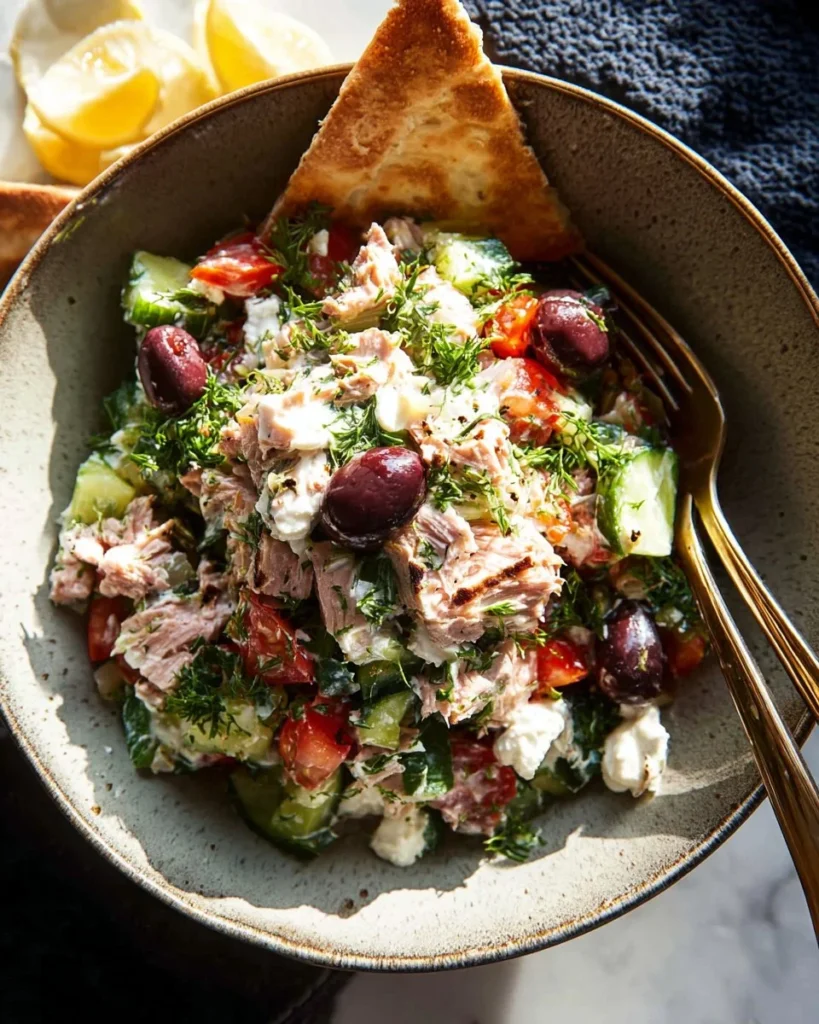
Sixteen ingredients, the most in this group, in fifteen minutes at 424 calories, the heaviest here. Massage the kale with the dressing and a little salt first; it breaks down the fibre and takes five minutes off the chewing. View the full recipe — 15 minutes, serves 4, 424 calories
Tuna Pasta Bakes
Four, and the pasta is where these go wrong. It keeps absorbing liquid in the oven and then keeps absorbing on the plate, so boil it two minutes short of the package time and make the sauce looser than looks right. A tuna bake that was perfect coming out of the oven is dry twenty minutes later.
Creamy Tuna Noodle Bake
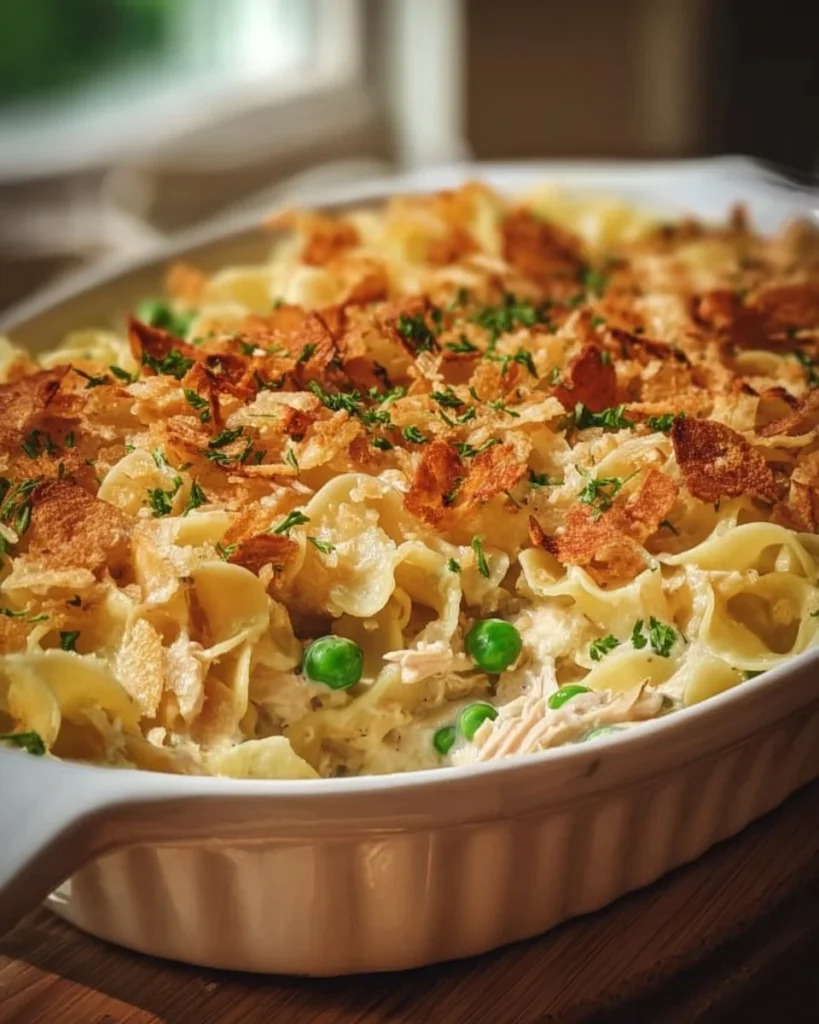
Ten ingredients, tied for the fewest on this page, in fifty minutes, six servings at 495 calories, the lightest in this group. View the full recipe — 50 minutes, serves 6, 495 calories
Tomato Tuna Pasta Bake with Mozzarella

Fifteen ingredients in fifty five minutes, tied for the longest in this group, at 548 calories. Tomato rather than cream, which holds up far better as a leftover. View the full recipe — 55 minutes, serves 4, 548 calories
Baked Tuna Pasta Casserole
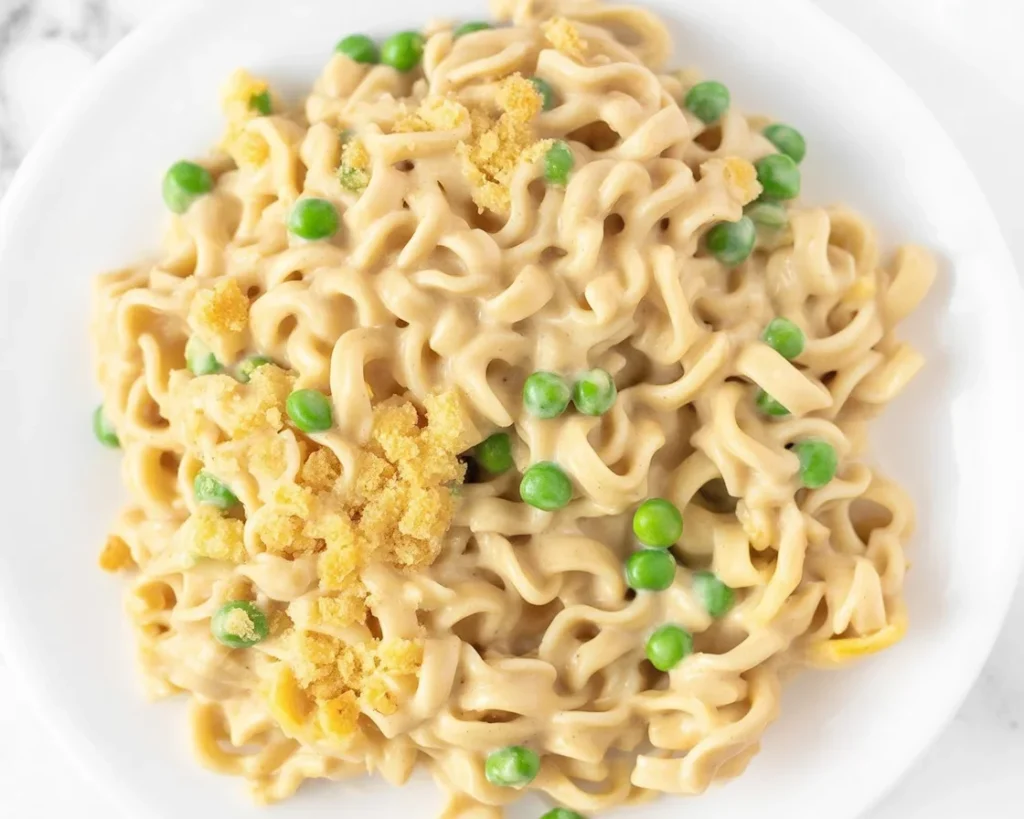
Ten ingredients, tied for the fewest on this page, in forty five minutes, the quickest in this group, at 587 calories. View the full recipe — 45 minutes, serves 4, 587 calories
Tuna Mornay Pasta Bake with Crunchy Panko Topping
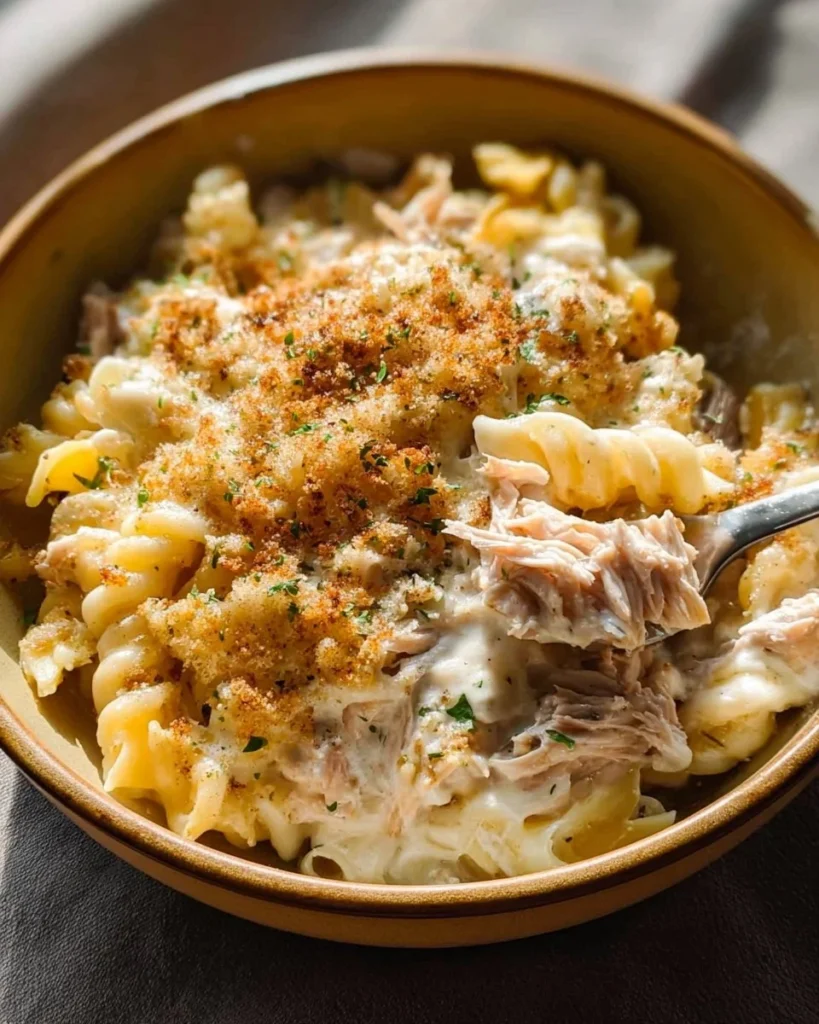
Sixteen ingredients, the most in this group, in fifty five minutes, tied for the longest here, at 951 calories, the heaviest recipe on this page by a wide margin. Mornay is bechamel with cheese, so the cheese goes in off the heat. View the full recipe — 55 minutes, serves 4, 951 calories
Quick Tuna Dinners
Two in twenty minutes flat. Tuna is already fully cooked in the can, which is the practical advantage over every other protein: nothing here needs to reach a temperature, so the only cooking is of whatever is around it.
Canned Tuna Pasta with Lemon, Capers and Garlic

Thirteen ingredients in twenty minutes at 281 calories, the lighter of the two. No bake and no sauce to make, which is the whole appeal. View the full recipe — 20 minutes, serves 4, 281 calories
Pan Fried Tuna Patties
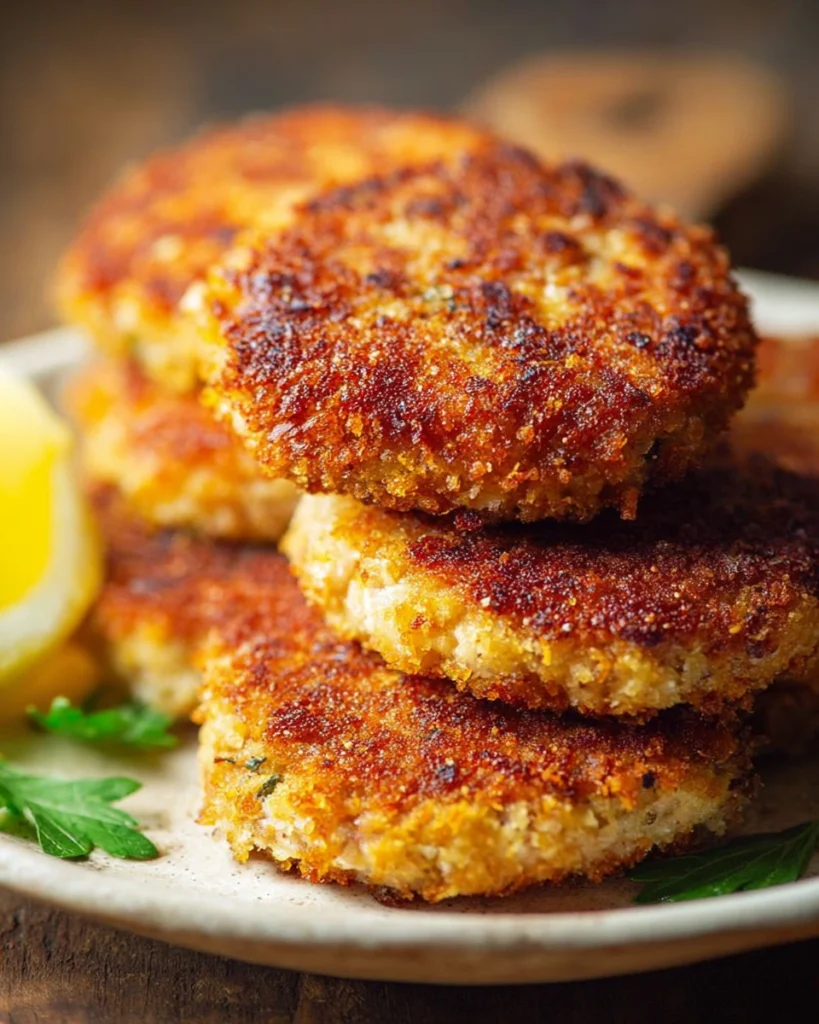
Eleven ingredients in twenty minutes at 344 calories. Chill the shaped patties fifteen minutes before frying or they fall apart in the pan. View the full recipe — 20 minutes, serves 4, 344 calories
A Pie and a Party Dish
Two outliers. The crispy rice is the only recipe here that uses raw tuna, and it takes four and a half hours almost entirely because the rice has to be cooked, pressed and chilled before it can be fried.
Crispy Rice with Spicy Tuna

Twenty three ingredients, the longest list on this page, in four hours thirty five, the longest recipe here, fifteen pieces at 182 calories each, the most portions on this page. Raw tuna, so this is the one where you want sashimi grade fish and a fishmonger you trust. View the full recipe — 275 minutes, serves 15, 182 calories
Almond Flour Tuna Pie
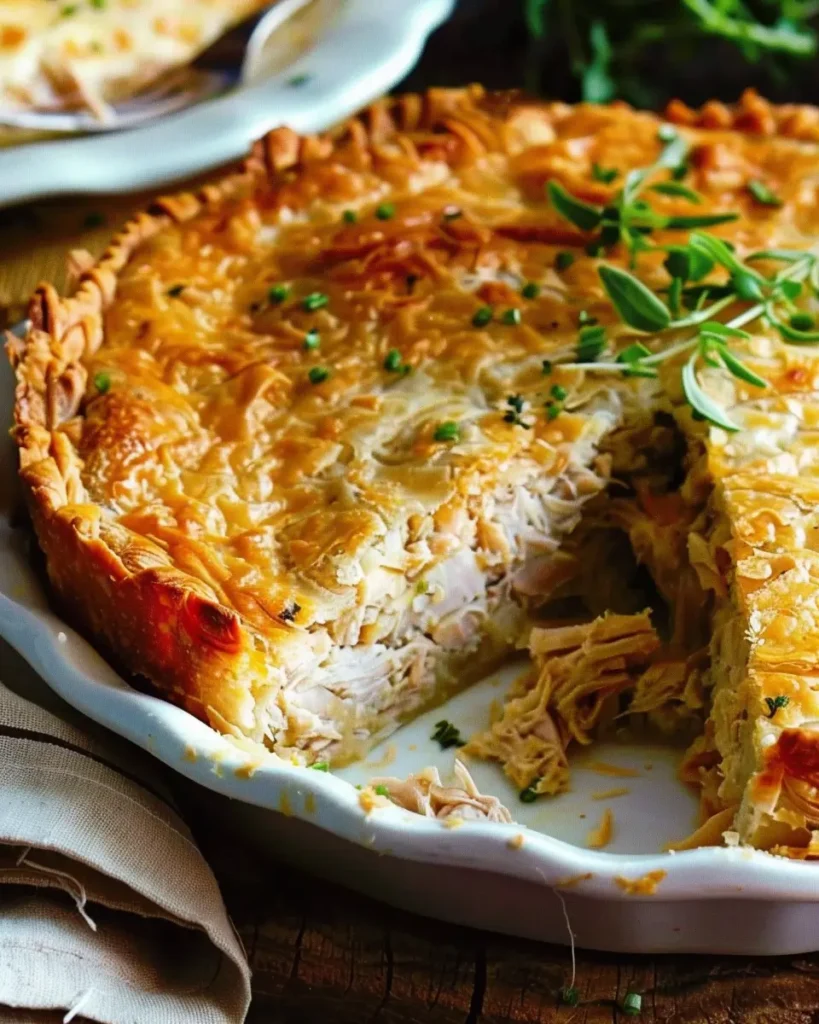
Ten ingredients, tied for the fewest on this page, in fifty minutes, six servings at 494 calories, the heavier of the two. View the full recipe — 50 minutes, serves 6, 494 calories
Before You Choose Your Recipe
Three things about buying tuna, and they matter more than any technique on this page. First, oil or water, covered above: oil packed is better tasting because the flavour compounds are fat soluble and stay with the fish, while water packed loses them into liquid you discard. Keep a spoonful of the oil to dress whatever you are making. Second, which tuna. Skipjack, sold as light or chunk light, is a small fast growing fish and carries roughly a third the mercury of albacore, which is sold as white and comes from a larger, longer lived species. Mercury accumulates up the food chain and over a fish lifetime, so smaller and younger means less. Light tuna is also cheaper and has a stronger flavour; albacore is firmer, paler and milder. Neither is dangerous in ordinary amounts, but if tuna is a weekly habit, or for children and anyone pregnant, light tuna is the sensible default. Third, canned and fresh tuna are not the same ingredient and cannot be swapped. Canned tuna is fully cooked and flaky and belongs in salads, bakes and patties. Fresh tuna is extremely lean, which means it goes dry and chalky the moment it is cooked through, so a tuna steak is seared hard and fast and served rare in the middle, around 120F, or it is not worth cooking at all. Now the handling. Drain canned tuna but do not press it dry, since you are squeezing out both moisture and flavour. Fold it into other ingredients rather than stirring or mashing; the point of good canned tuna is the flake, and once it is a paste you have thrown away what you paid for. Season it properly and taste before adding salt, because the can already has some. For anything mayonnaise based, add the mayonnaise in stages: it is far easier to add more than to rescue a salad that has turned to slurry. Two notes on the bakes. Undercook the pasta by two minutes, every time, because it continues cooking in the oven and then absorbs whatever sauce is left. And if you are making a cream based bake ahead, keep some extra milk back to loosen it when reheating, since it will have set solid in the refrigerator.
Tuna Questions, Answered
Is tuna in oil or in water better?
Oil, for flavour. Most of what makes tuna taste good is fat soluble, so it stays with the fish in oil and leaches into the liquid in water packed cans. Water packed tuna usually needs more mayonnaise to compensate, which can end up adding more fat overall.
Which canned tuna has less mercury?
Light or chunk light tuna, which is skipjack, a small fast growing fish with roughly a third the mercury of albacore. Albacore, sold as white tuna, comes from a larger and longer lived species, and mercury accumulates over a fish lifetime.
Why does my tuna salad turn to paste?
Overmixing. The flake is the point of good canned tuna, and stirring or mashing destroys it. Fold gently with a fork and stop while the pieces are still visible, and add mayonnaise in stages rather than all at once.
Should I drain the oil completely?
No. Keep a tablespoon and stir it back in. It has been sitting with the fish and tastes better than plain oil from a bottle, and it seasons a salad or a pasta more effectively.
Can I use canned tuna in place of fresh?
Not interchangeably. Canned tuna is fully cooked and flaky, which suits salads, bakes and patties. Fresh tuna is very lean and turns dry and chalky if cooked through, so it is seared fast and served rare. They are different ingredients.
Why is my tuna pasta bake dry?
The pasta kept absorbing liquid in the oven and then on the plate. Boil it two minutes short of the package time, make the sauce looser than seems right, and keep back a little milk to loosen leftovers when reheating.
How do I stop tuna patties falling apart?
Chill the shaped patties for fifteen minutes before they go in the pan, and do not skimp on the binder. Egg and breadcrumb need a few minutes to hydrate and set, and a cold patty holds together while its surface browns.
How long does canned tuna keep once opened?
Two days refrigerated in a sealed container, not in the can. Tuna salad with mayonnaise is the same, and should not sit out at room temperature for more than two hours.
More to Try
- Skillet Tuna Melt Sandwich — nine ingredients, twenty minutes
- Fish Recipes — every fish, one page
- Salad Recipes — where four of these belong
- Casserole Recipes — the pasta bakes in context
- High Protein Dinner Recipes — tuna is one of the leanest
- Pasta Recipes — and why to undercook it
Browse all of our recipe collections.