A recipe that says five minutes means five minutes at pressure, and that is not the same as five minutes in your kitchen. Before the timer starts the pot has to reach pressure, which takes anywhere from five to fifteen minutes depending on how much liquid is inside and how cold it started. After the timer ends there is the release, which is instant if you vent it and another ten to twenty minutes if you let it drop on its own. A five minute recipe is a twenty five minute recipe, and the times on this page are the real ones.
More liquid in the pot means a longer climb to pressure, not a longer cook, which is why halving a recipe does not halve the time. And the single most useful thing to understand: a pressure cooker cannot brown anything. Browning needs a dry surface above about 300F, and inside a sealed pot full of steam nothing gets above 250F and nothing is dry. That is what the saute function is for, and skipping it is why some pressure cooked food tastes flat. Twelve recipes here, from thirty minutes to just under two hours.
Chicken
Four, and chicken is where a pressure cooker is least impressive, because chicken was never slow to cook. What it is genuinely good for is cooking chicken from frozen, which no other method does safely and quickly, and one recipe here does exactly that.
Instant Pot Chicken Tortilla Soup
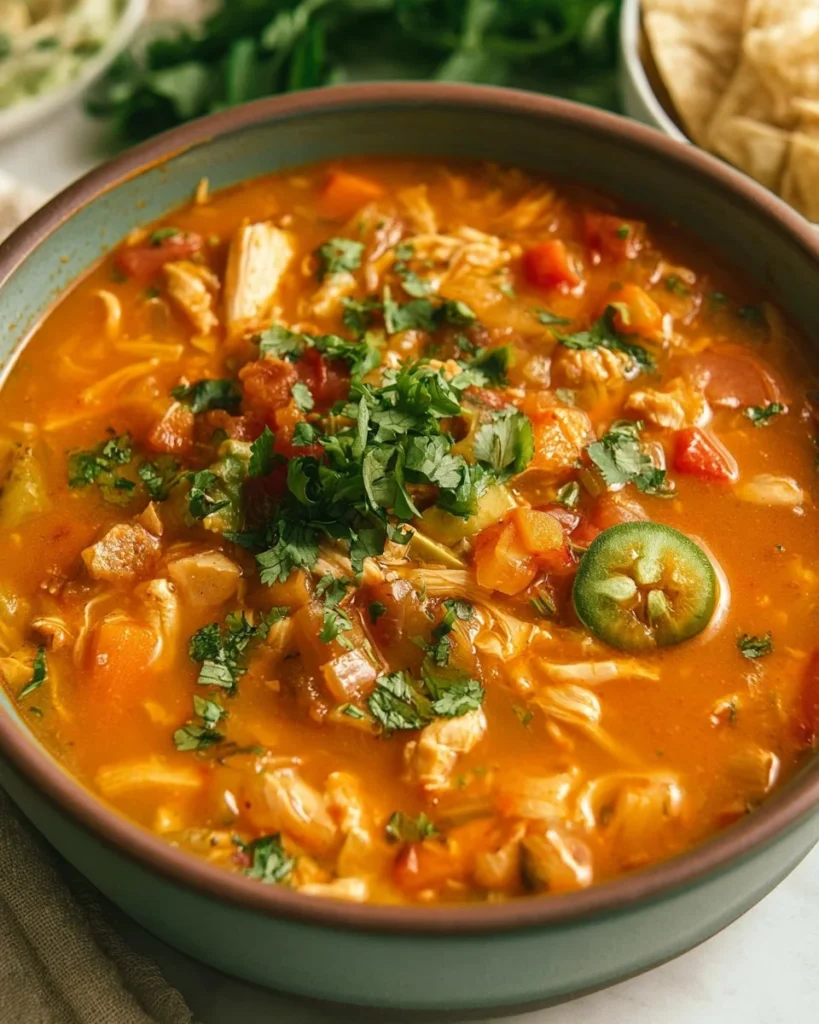
Twelve ingredients in forty five minutes, the longest in this group, six servings at 237 calories, the lightest of the four. View the full recipe — 45 minutes, serves 6, 237 calories
Instant Pot Frozen Chicken Breasts

Six ingredients, the shortest list on this page, in thirty five minutes at 247 calories. The one job a pressure cooker does that nothing else does. View the full recipe — 35 minutes, serves 4, 247 calories
Instant Pot Chicken Alfredo with Fettuccine

Thirteen ingredients, the most in this group, in forty minutes, eight servings at 474 calories, tied for the most portions on this page. View the full recipe — 40 minutes, serves 8, 474 calories
Instant Pot Chicken Fettuccine Alfredo with Broccoli
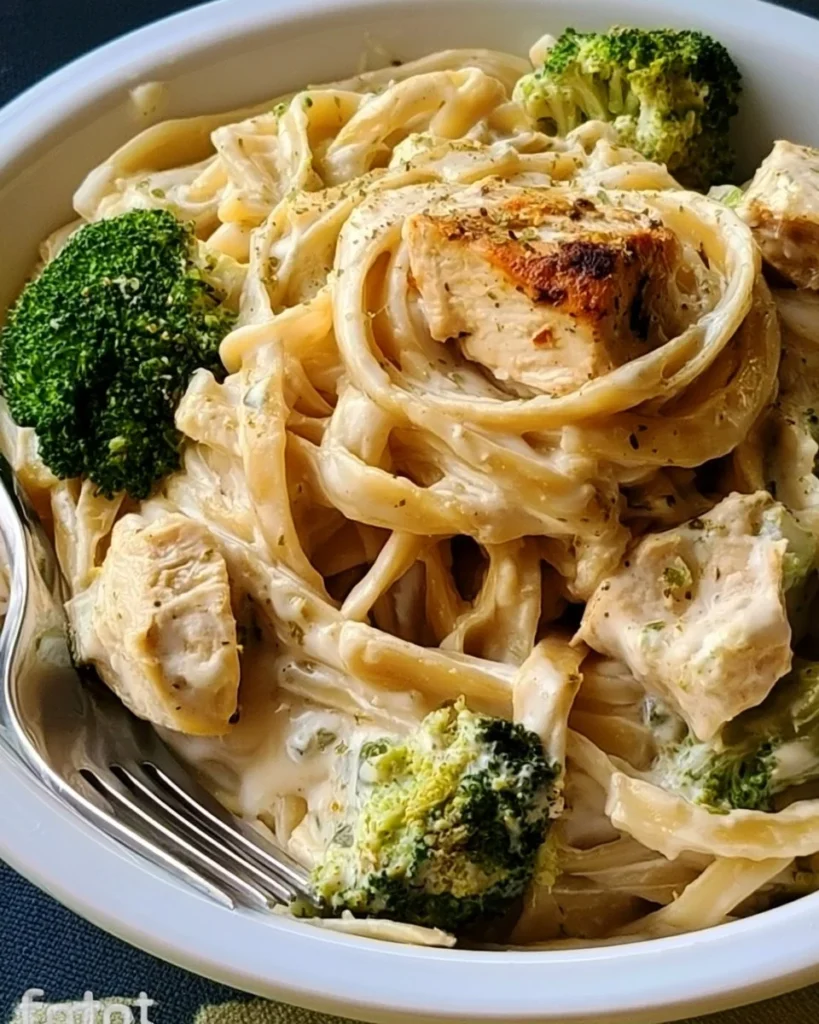
Eleven ingredients in thirty minutes, the quickest recipe on this page, at 717 calories, the heaviest in this group. Dairy under pressure can split, so the cream goes in after the lid comes off. View the full recipe — 30 minutes, serves 4, 717 calories
Beef
Four where the machine earns its place. Raising the pressure raises the boiling point to around 250F, and collagen converts to gelatin far faster at that temperature, so a cut that needs eight hours in a slow cooker needs ninety minutes here. Sear first with the lid off, every time.
Instant Pot Ground Beef Chili
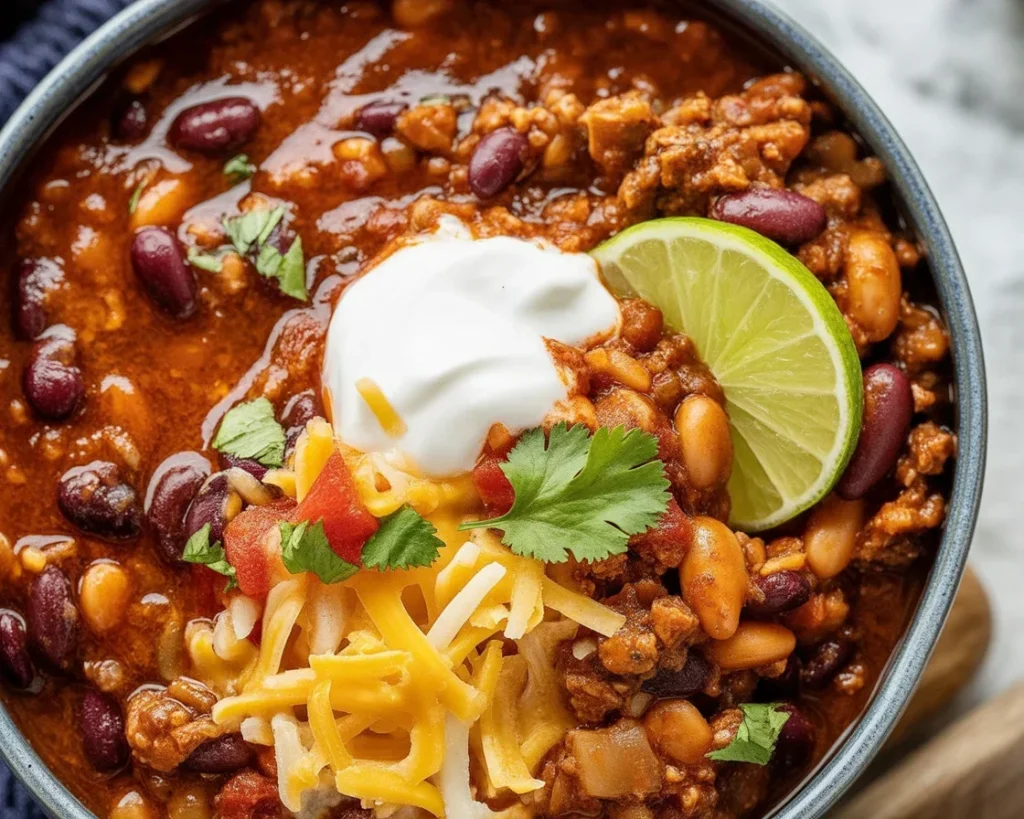
Fifteen ingredients in sixty minutes, the quickest in this group, six servings at 374 calories, the lightest here. View the full recipe — 60 minutes, serves 6, 374 calories
Instant Pot Five Spice Beef Stew with Root Vegetables
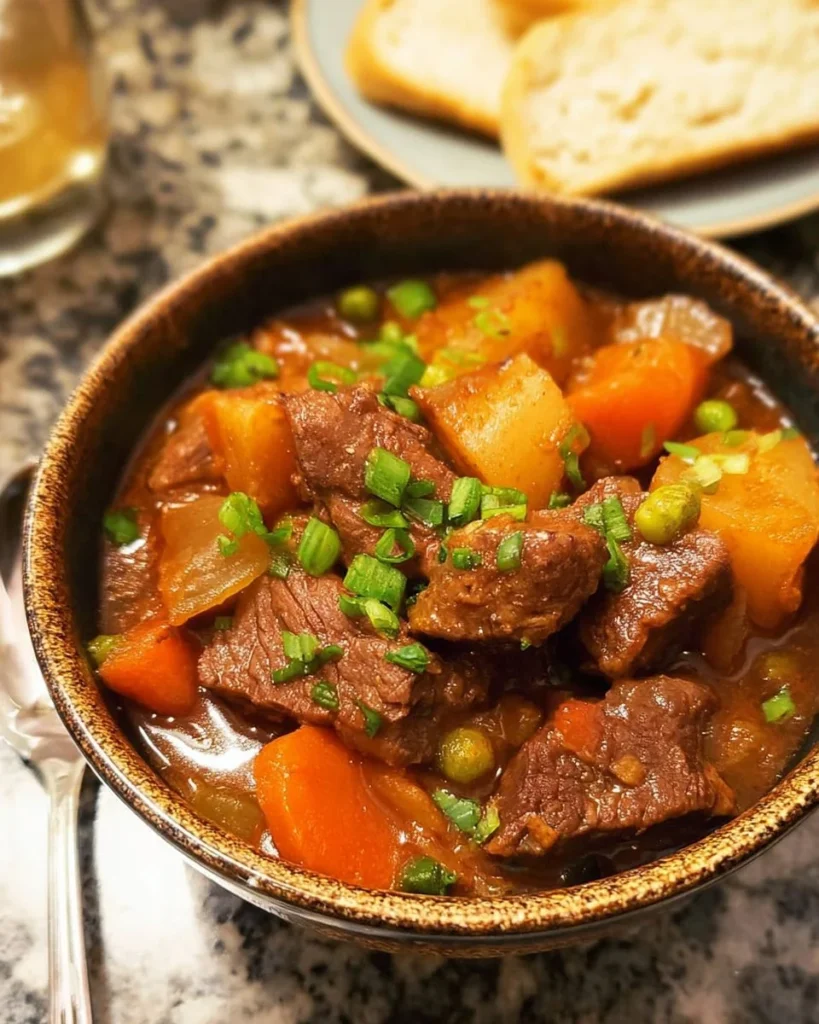
Eighteen ingredients in eighty five minutes, six servings at 518 calories. View the full recipe — 85 minutes, serves 6, 518 calories
Instant Pot Hot Beef Sandwich with Mashed Potatoes
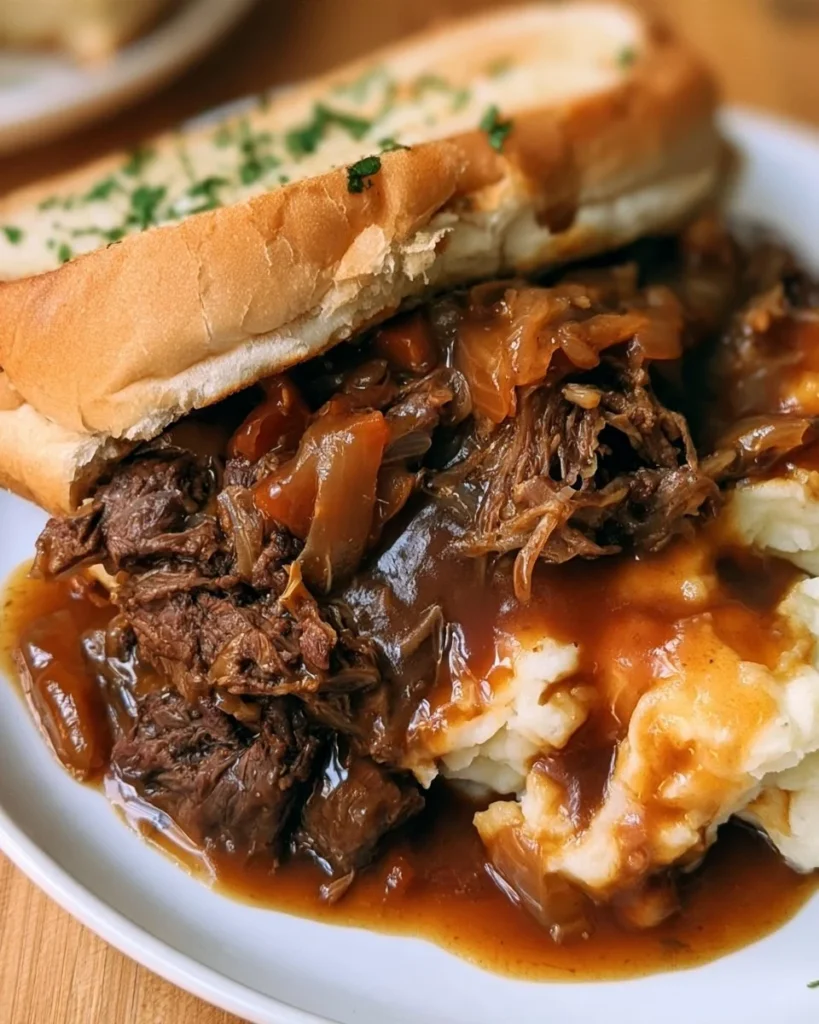
Eleven ingredients, the fewest in this group, in an hour fifty, six servings at 598 calories. View the full recipe — 110 minutes, serves 6, 598 calories
Instant Pot Chuck Roast with Potatoes and Carrots
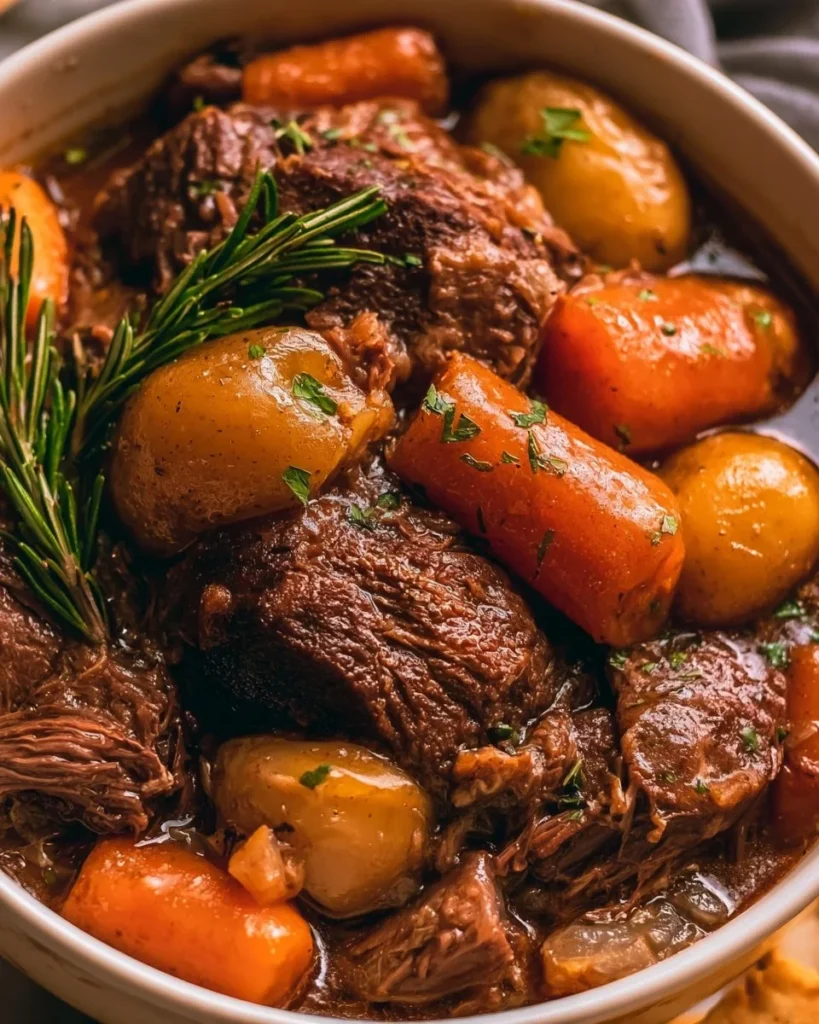
Thirteen ingredients in an hour fifty five, the longest recipe on this page, six servings at 630 calories, the heaviest in this group. Under two hours for a roast that takes eight in a slow cooker. View the full recipe — 115 minutes, serves 6, 630 calories
Chili Mac
Two, and pasta under pressure needs care. It cooks in the trapped steam far faster than the box time, and overcooked pasta cannot be undone, so set the pressure time at roughly half the package instruction and quick release the moment it ends.
Easy Instant Pot Chili Mac

Nine ingredients in thirty five minutes, the quicker of the two, six servings at 442 calories, the lighter. View the full recipe — 35 minutes, serves 6, 442 calories
Instant Pot Beef Chili Mac with Black Beans and Mexican Cheese

Nineteen ingredients, the longest list on this page, in fifty minutes, eight servings at 827 calories, the heaviest recipe on this page and tied for the most portions. View the full recipe — 50 minutes, serves 8, 827 calories
Sides and Breakfast
Two that use the pot as a steamer rather than a pressure cooker in spirit. Egg bites are the best case for it: gentle, even, moist heat is exactly what a custard wants, and an oven struggles to deliver it without a water bath.
Instant Pot Egg White Bites with Red Pepper

Eight ingredients in forty minutes, seven bites at 54 calories each, the lightest recipe on this page. View the full recipe — 40 minutes, serves 7, 54 calories
Instant Pot Green Bean Casserole with Crispy Onions

Twelve ingredients, the more of the two, in forty minutes, six servings at 176 calories. View the full recipe — 40 minutes, serves 6, 176 calories
Before You Choose Your Recipe
Five things to know, in the order they bite. First, the timing, covered above: stated minutes are pressure minutes, and the real total includes the climb to pressure and the release. Second, browning. A sealed pot is a saturated steam environment capped at roughly 250F, and the Maillard reaction needs a dry surface above about 300F. Nothing browns under pressure, ever. Use the saute function first to brown meat and soften aromatics, deglaze with a splash of liquid so nothing is stuck to the base, and only then seal the lid. Food that went in raw and came out pale tastes exactly as you would expect. Third, liquid. A pressure cooker needs a minimum amount of liquid to generate steam, usually around a cup, and it needs the base to be clear of stuck on material or it will register a burn warning. But it also cannot evaporate anything, since the steam has nowhere to go, so nothing reduces and nothing thickens while the lid is on. This is why pressure cooked sauces come out thinner than their stovetop equivalents. The fix is to finish with the lid off on saute, reducing hard for a few minutes, or to stir in a cornstarch slurry at the end. Fourth, the release, which affects texture more than people expect. Quick release drops the pressure instantly, and that causes the liquid inside the food to boil violently for a moment. For pasta and vegetables that is fine and desirable, since it stops them cooking. For meat it is harmful: the sudden boil makes muscle fibers contract and expel moisture, so a roast quick released is noticeably drier than the same roast left to come down naturally. Meat wants natural release, ten to twenty minutes. Anything delicate or easily overcooked wants quick release. Fifth, what not to use it for. Pasta and rice are easy to ruin because the window is narrow and there is no way to check partway. Dairy can split under pressure, so cream and cheese go in at the end. Fish needs one or two minutes and is unforgiving. And anything whose appeal is a crisp or browned surface is simply the wrong job for the machine. What it is unarguably good at: tough cuts of meat, dried beans with no soaking, stock in two hours instead of eight, hard winter squash, and chicken from frozen.
Instant Pot Questions, Answered
Why does a five minute recipe take twenty five minutes?
Because the stated time is pressure time only. The pot needs five to fifteen minutes to reach pressure first, depending on how much liquid is in it and how cold it started, and then another ten to twenty if you let the pressure drop naturally.
Can I brown meat in an Instant Pot?
Only with the lid off, on saute. Under pressure the pot is full of saturated steam capped around 250F, and browning needs a dry surface above roughly 300F. Nothing browns in a sealed pot, which is why food that skipped the searing step tastes flat.
Why is my Instant Pot sauce so thin?
Nothing evaporates under pressure, because the steam cannot escape, so nothing reduces. Finish with the lid off on saute, reducing hard for a few minutes, or stir in a cornstarch slurry at the end.
Natural release or quick release?
Meat wants natural release. Quick release drops the pressure instantly, which makes the liquid inside the meat boil and the fibers contract and squeeze moisture out, so a quick released roast is drier. Pasta, vegetables and anything easily overcooked want quick release.
Why am I getting a burn warning?
Usually something stuck to the base of the pot from the searing step, or not enough thin liquid. Deglaze properly after sauteing, scraping the bottom clean, and keep thick sauces layered on top rather than mixed into the liquid at the bottom.
Does doubling a recipe double the time?
No. Pressure time stays the same, because the cooking depends on temperature and pressure rather than volume. What changes is how long the pot takes to reach pressure, which is longer with more liquid in it.
Can I cook pasta in an Instant Pot?
Yes but carefully. It cooks much faster than the package time in trapped steam, and you cannot check it partway. Use roughly half the box time at pressure and quick release immediately. Overcooked pasta cannot be rescued.
What is an Instant Pot genuinely best at?
Tough cuts of meat, because collagen converts to gelatin much faster at 250F. Also dried beans with no soaking, stock in two hours rather than eight, hard winter squash, and cooking chicken from frozen, which nothing else does both safely and quickly.
More to Try
- Instant Pot Chicken Enchiladas — eleven ingredients, five servings
- Crockpot Recipes — the opposite approach to the same cuts
- Pot Roast Recipes — and the collagen window
- 30 Minute Recipes — faster without the pressure
- Chili Recipes — where the chili mac belongs
- Soup Recipes — stock in two hours
Browse all of our recipe collections.