The most common fajita mistake is treating lime juice as a marinade. Acid denatures protein at the surface of meat, and on thin sliced skirt or flank steak that happens fast. Thirty minutes gives you a seasoned surface and a faint tenderising effect. Two hours gives you grey, mealy meat with a chalky outer layer, which is the same process that turns raw fish into ceviche. Lime belongs squeezed over the finished pan, where its aroma survives, rather than sitting on the meat for an afternoon.
The second mistake is crowding the pan. Fajita meat is sliced thin, which means a lot of surface area releasing water at once, and a crowded skillet drops below the temperature at which browning happens. The meat then boils in its own liquid and comes out grey. Cook it in two batches in a pan hot enough to be slightly alarming, and cook the peppers and onions separately. Eleven recipes here, from twenty five minutes to over eight hours.
Skillet and Oven Fajitas
Three cooked hot and fast, which is what the dish was built for. A cast iron pan is the right tool because it holds its heat when cold meat lands on it, where thin stainless or nonstable pans drop forty degrees and never recover.
Skillet Chicken Fajitas with Peppers and Lime

Fifteen ingredients, tied for the fewest in this group, in twenty five minutes, the quickest recipe on this page, at 401 calories, also the lightest here. View the full recipe — 25 minutes, serves 4, 401 calories
Oven Baked Chicken Fajitas with Lime and Cilantro
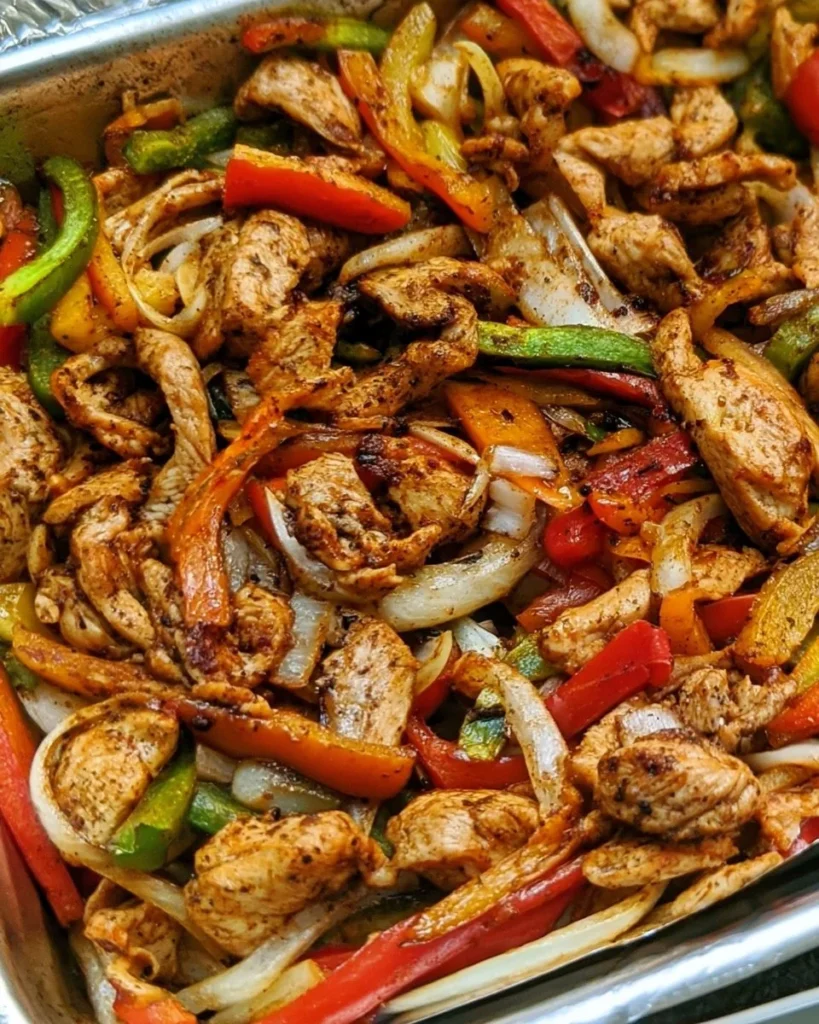
Sixteen ingredients, the longest list on this page, in forty minutes at 542 calories. A sheet pan at high heat browns everything at once, which is the easy route to the same result. View the full recipe — 40 minutes, serves 4, 542 calories
Citrus Chicken Fajitas with Peppers and Onions

Fifteen ingredients, tied for the fewest in this group, in an hour thirty five, the longest here, at 869 calories, the heaviest recipe on this page. Chicken tolerates a citrus marinade far better than thin steak does, which is why this one can run that long. View the full recipe — 95 minutes, serves 4, 869 calories
Slow Cooker Chicken Fajitas, Five Versions
Five of these on the site, and rather than pretend they are five different dishes: they are the same idea with real differences in time and ingredient count. Worth saying plainly that a slow cooker cannot sear, so these are shredded chicken in fajita seasoning rather than fajitas in the strict sense. That is a perfectly good weeknight dinner, it is simply not the same dish. The rotisserie version is the genuine outlier, since it starts with cooked chicken and finishes in just over two hours.
Crock Pot Rotisserie Chicken Fajitas
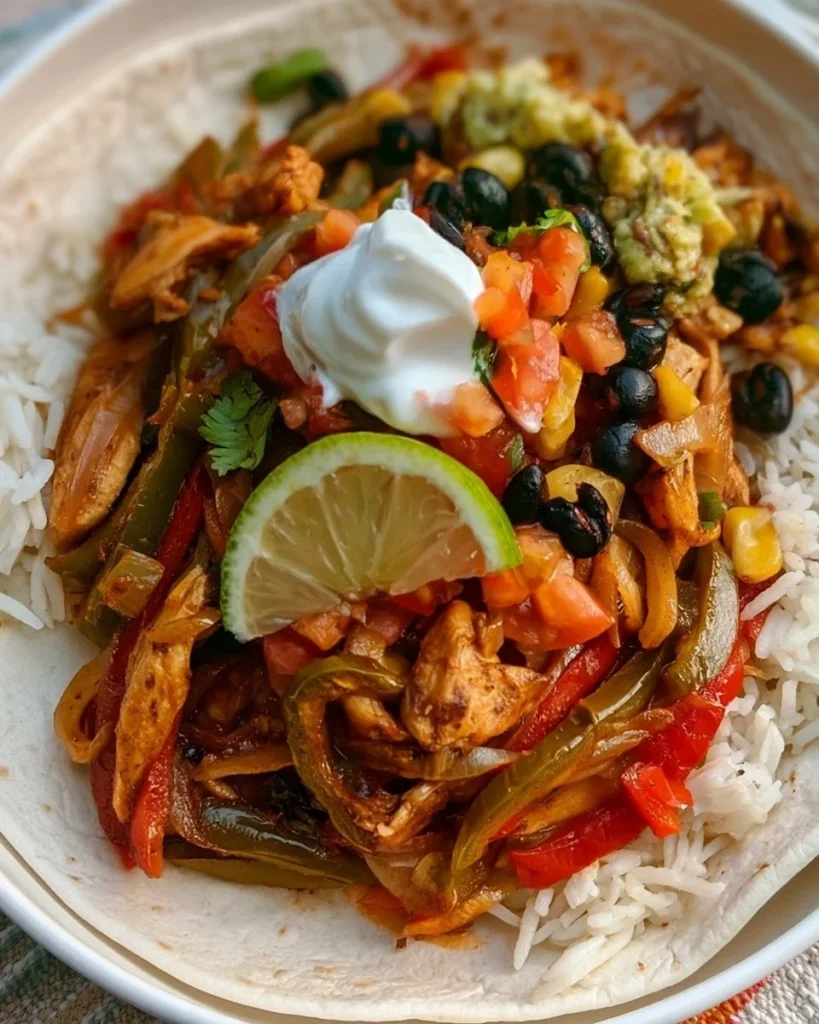
Twelve ingredients in two hours ten, the quickest in this group by a wide margin, six servings at 214 calories, the lightest recipe on this page. Cooked chicken going in is why this is so much faster than the other four. View the full recipe — 130 minutes, serves 6, 214 calories
Crockpot Shredded Chicken Fajitas
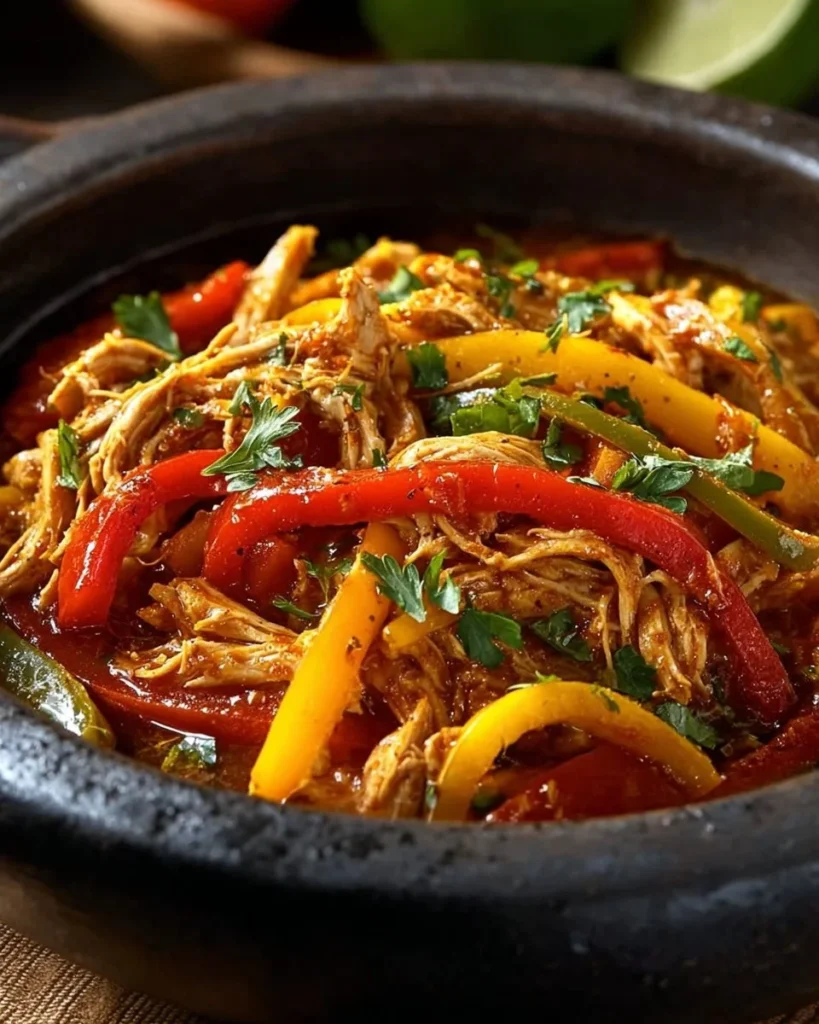
Fourteen ingredients over six hours fifteen, the longest in this group, six servings at 328 calories. View the full recipe — 375 minutes, serves 6, 328 calories
Slow Cooker Shredded Chicken Fajitas
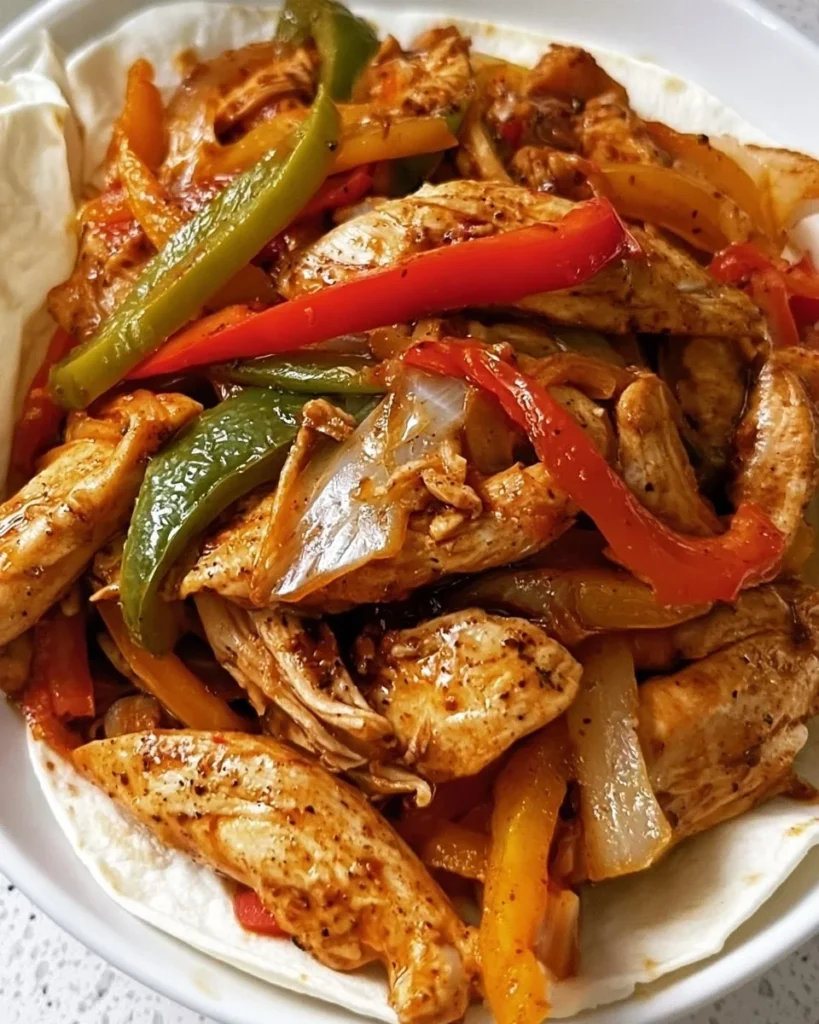
Fifteen ingredients, the most in this group, over five hours ten, six servings at 346 calories. View the full recipe — 310 minutes, serves 6, 346 calories
Crock Pot Chicken Fajitas with Green Chiles
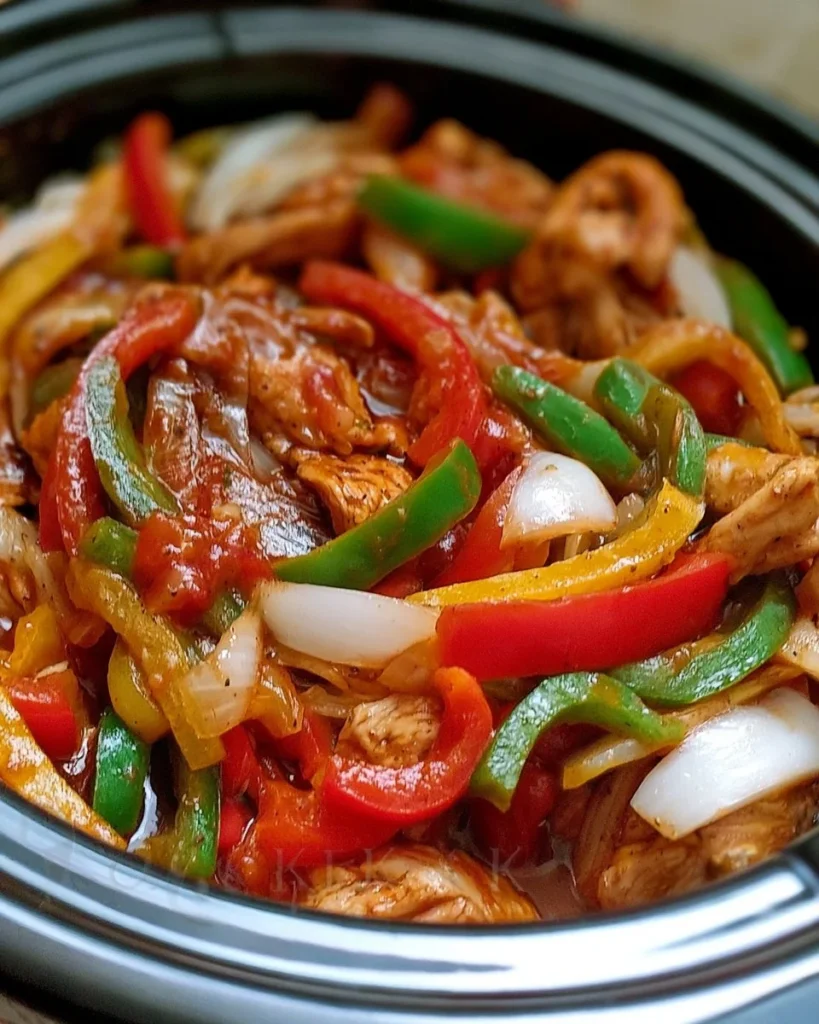
Eight ingredients, the shortest list on this page, over five hours fifteen, six servings at 413 calories. View the full recipe — 315 minutes, serves 6, 413 calories
Easy Crockpot Chicken Fajitas with Peppers and Onions
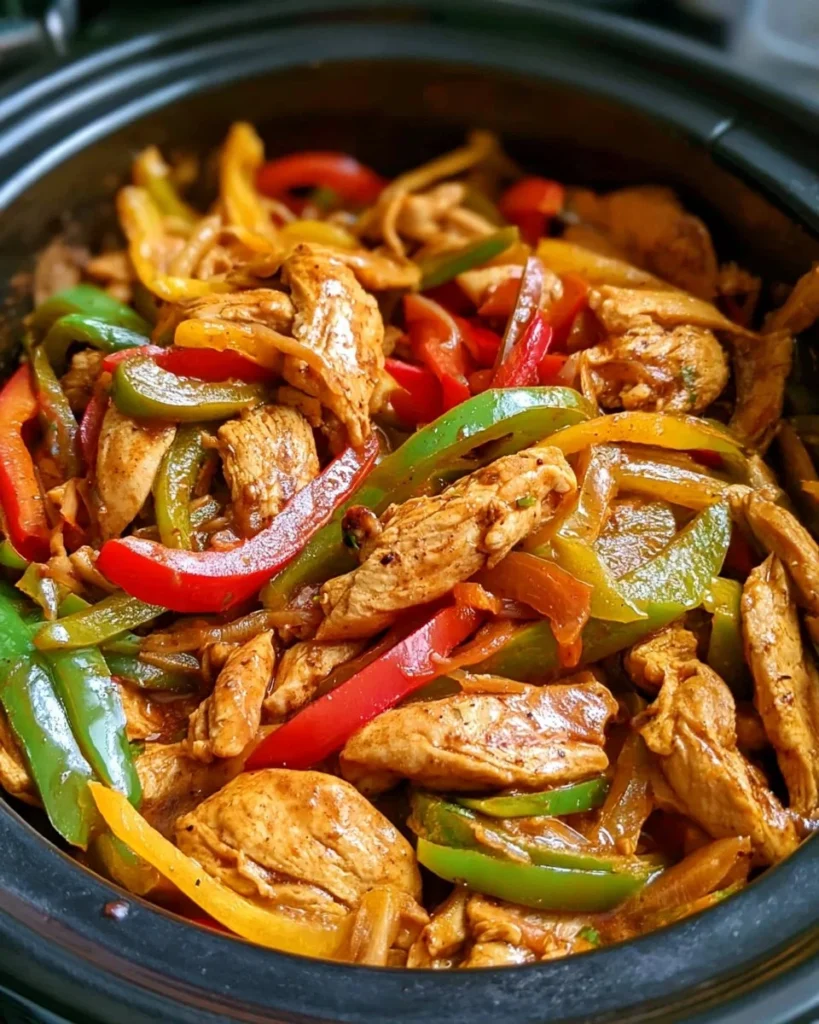
Nine ingredients over five hours fifteen, six servings at 514 calories, the heaviest in this group. View the full recipe — 315 minutes, serves 6, 514 calories
Steak and Fajita Casseroles
Three that go further from the original. The flank steak one is the only beef recipe here, and eight hours in a slow cooker turns flank into something you shred rather than slice, which is a legitimate dish but not a fajita.
Slow Cooker Flank Steak Fajitas
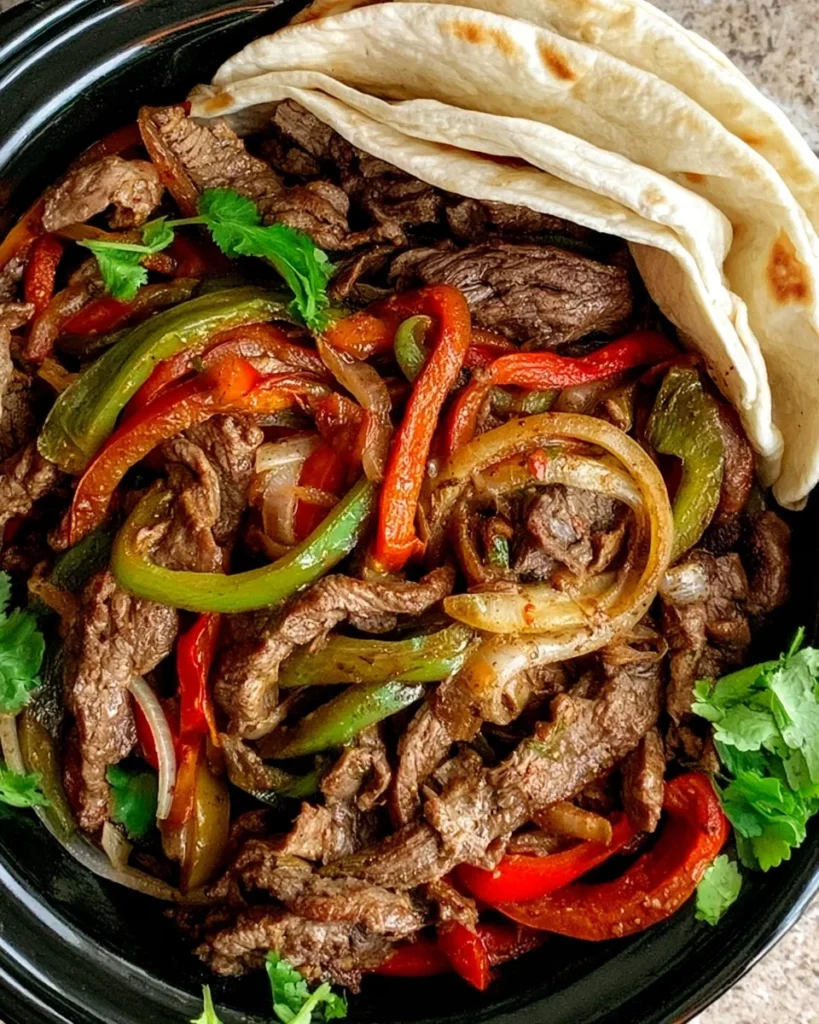
Fourteen ingredients, the most in this group, over eight hours ten, the longest recipe on this page, six servings at 452 calories, the lightest of the three. View the full recipe — 490 minutes, serves 6, 452 calories
Creamy Fajita Chicken Casserole

Nine ingredients, tied for the fewest in this group, in sixty minutes, the longest of the two bakes, eight servings at 511 calories, the most portions on this page. View the full recipe — 60 minutes, serves 8, 511 calories
Fajita Chicken Rice Casserole

Nine ingredients, tied for the fewest in this group, in fifty five minutes, the quickest in this group, six servings at 736 calories, the heaviest here. View the full recipe — 55 minutes, serves 6, 736 calories
Before You Choose Your Recipe
Fajitas are a searing dish, and nearly everything about doing them well is about getting and keeping heat. Start with the pan: cast iron, preheated until a drop of water skitters rather than sits. Thin pans lose their heat the moment cold meat lands and never recover, which is the difference between browned and grey. Dry the meat thoroughly before it goes in, because surface water has to boil off before any browning can start, and every second spent boiling is a second the inside spends overcooking. Cook in two batches. A crowded pan is the single most common cause of disappointing fajitas, and the reason is simple arithmetic: thin sliced meat has enormous surface area, it all releases water at once, and the pan temperature falls below the browning threshold. Half the meat, two minutes, out; the rest, two minutes, out. Then the vegetables in the same pan, which picks up what the meat left behind. On the marinade, keep it short and keep the acid modest. Salt, oil, cumin, chili powder, garlic and a little lime, for thirty minutes to an hour on steak and up to a few hours on chicken. Chicken is more forgiving because its muscle structure is finer and it is usually cooked in larger pieces. Thin skirt or flank steak in citrus for two hours comes out mealy. If you want more lime flavour, add it at the end rather than earlier. Then the cut. Skirt and flank have a very coarse grain, which means the muscle fibers are long and visible, and slicing along them gives you strands you cannot chew through. Slice across the grain always, and slice after cooking rather than before: whole steak seared and then sliced loses less juice than pre sliced strips, and it is easier to hit the right doneness. Rest it five minutes first. Two last notes. Peppers and onions want real colour on them, which means high heat and not stirring constantly; soft pale peppers are the result of a pan that was too cool or too full. And warm the tortillas properly, thirty seconds a side in a dry pan or wrapped in a damp towel in the oven, because a cold tortilla undoes the work of everything else on the plate.
Fajita Questions, Answered
How long should I marinate fajita meat?
Thirty minutes to an hour for thin steak, and up to a few hours for chicken. Lime juice denatures protein at the surface, and on thin sliced skirt or flank that turns the outside grey and mealy within a couple of hours. It is the same process as ceviche.
Why is my fajita meat grey instead of browned?
The pan was crowded or not hot enough. Thin sliced meat releases a lot of water at once, which drops the pan below browning temperature so the meat boils in its own liquid. Cook in two batches in a properly preheated cast iron pan.
Should I slice the steak before or after cooking?
After. A whole steak seared and then sliced loses less juice than pre cut strips, and it is far easier to judge doneness. Rest it five minutes, then slice across the grain, which matters enormously on skirt and flank.
What cut of beef should I use?
Skirt steak traditionally, or flank. Both are flavourful, both have a coarse grain that must be cut across, and both want fast high heat and medium rare. Anything slow cooked for hours becomes shredded beef rather than fajita meat.
Can I make fajitas in a slow cooker?
You can make something good, but a slow cooker cannot sear, so the result is shredded meat in fajita seasoning rather than fajitas. Five recipes above do exactly this and they are honest weeknight dinners; just do not expect the charred edges.
Why are my peppers soggy?
Too low a heat, or too many in the pan, or too much stirring. Peppers want high heat and to be left alone long enough to take colour. Cook them after the meat in the same pan so they pick up what the meat left behind.
What spices go in fajita seasoning?
Chili powder and cumin as the base, with paprika, garlic powder, onion powder, oregano and salt. Smoked paprika adds the char note that a home stove struggles to produce. Bloom the dry spices in the hot oil for thirty seconds before the meat goes in.
How do I warm tortillas properly?
Thirty seconds a side in a dry pan, or stacked in a damp towel and wrapped in foil in a 300F oven for fifteen minutes. A microwave works for a few seconds but they toughen quickly afterwards. Cold tortillas undo everything else you did right.
More to Try
- Mexican Recipes — every dish, one page
- Taco Recipes — the closest relative
- Quesadilla Recipes — and why cheese is the mortar
- Crockpot Recipes — where five of these belong
- Steak Recipes — skirt and flank in context
- Skillet Dinner Recipes — one pan, high heat
Browse all of our recipe collections.