There are two ways to thicken a gravy and they give different results. A roux is flour cooked in fat before any liquid goes near it, and that cooking is not optional: raw flour tastes pasty and chalky, and two minutes in hot fat both removes that taste and starts building colour. A slurry is flour or cornstarch whisked into cold water and stirred into simmering liquid at the end. It is faster and it will not go lumpy, but it contributes no flavour of its own, and cornstarch in particular gives a glossy gravy that thins out when reheated.
Lumps come from one thing: adding hot liquid to a hot roux. The flour granules on the outside gelatinise instantly, seal, and trap dry flour inside, and no amount of whisking opens them again. The fix is a temperature difference. Add cool or room temperature stock to a hot roux, a little at a time, whisking it to a smooth paste before loosening it further. Sixteen recipes here, from fifteen minutes to over ten hours.
Chicken Gravy
Four, and the first is the one worth learning. A pan gravy is made in the pan the chicken cooked in, using the browned residue stuck to the bottom, which is where almost all of the flavour is. Pour off most of the fat, keep two tablespoons, stir in equal flour, cook it, then deglaze with stock and scrape.
Chicken Pan Gravy
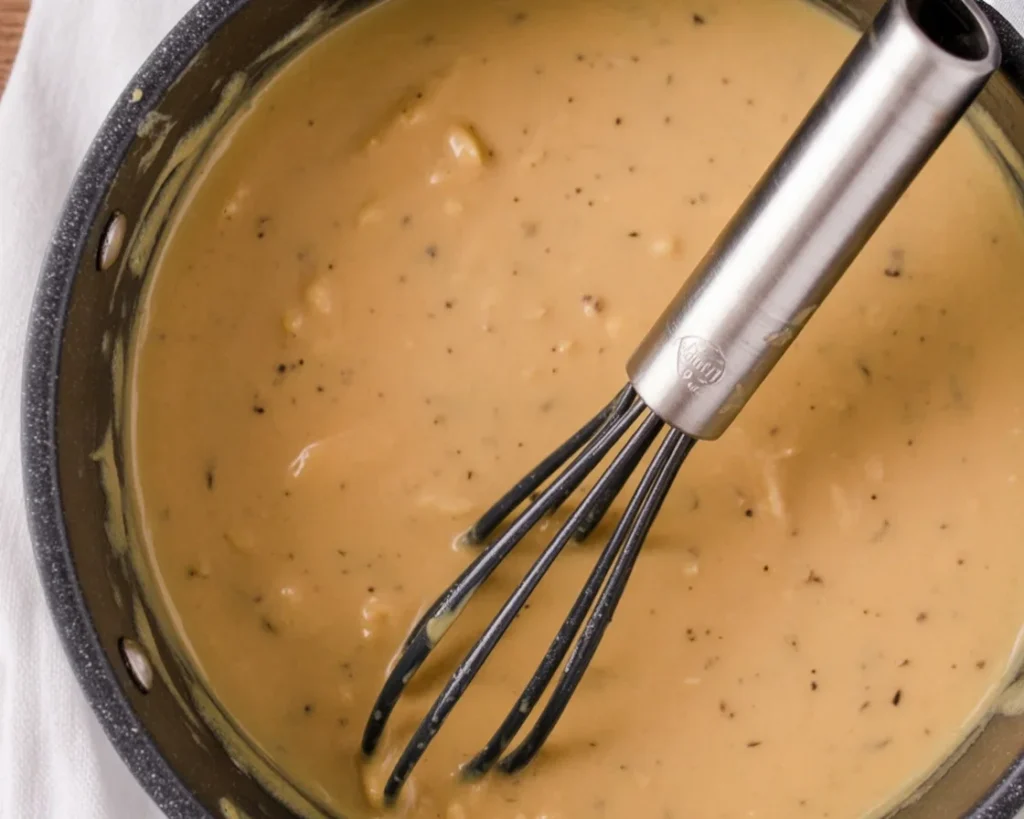
Seven ingredients, tied for the fewest on this page, in fifteen minutes, the quickest recipe here, at 59 calories, also the lightest. View the full recipe — 15 minutes, serves 4, 59 calories
Crockpot Chicken and Gravy
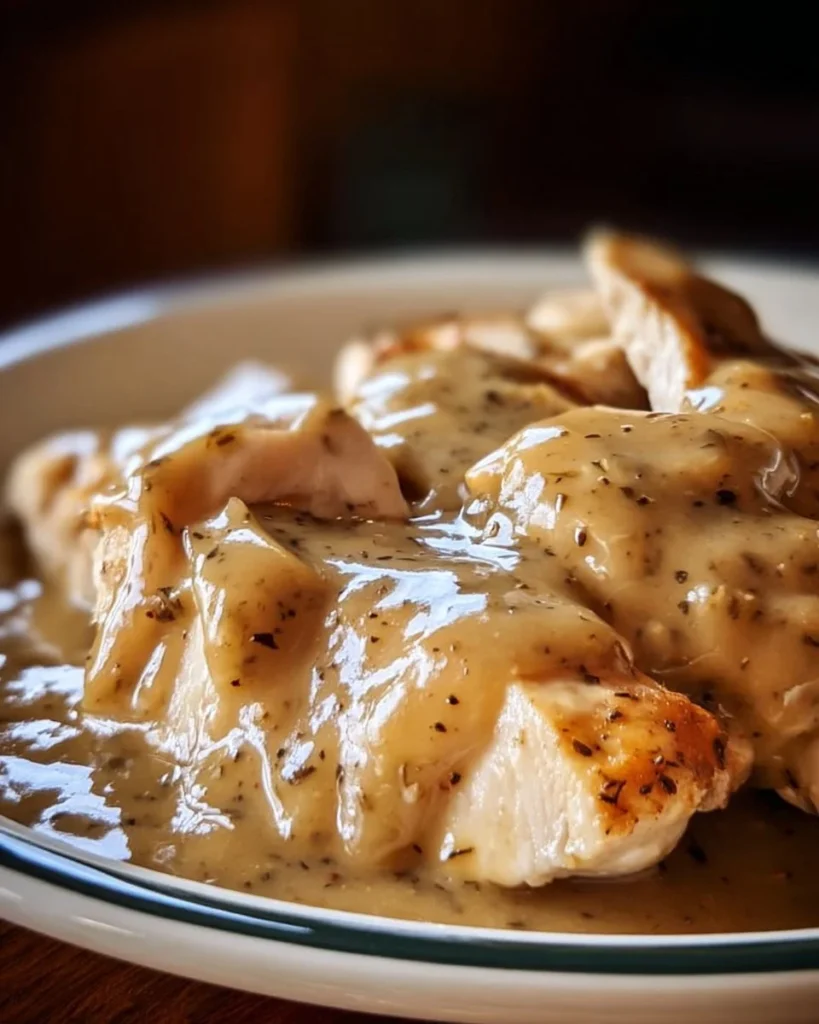
Seven ingredients, tied for the fewest on this page, over eight hours fifteen, the longest in this group, six servings at 183 calories. View the full recipe — 495 minutes, serves 6, 183 calories
Stovetop Chicken and Gravy
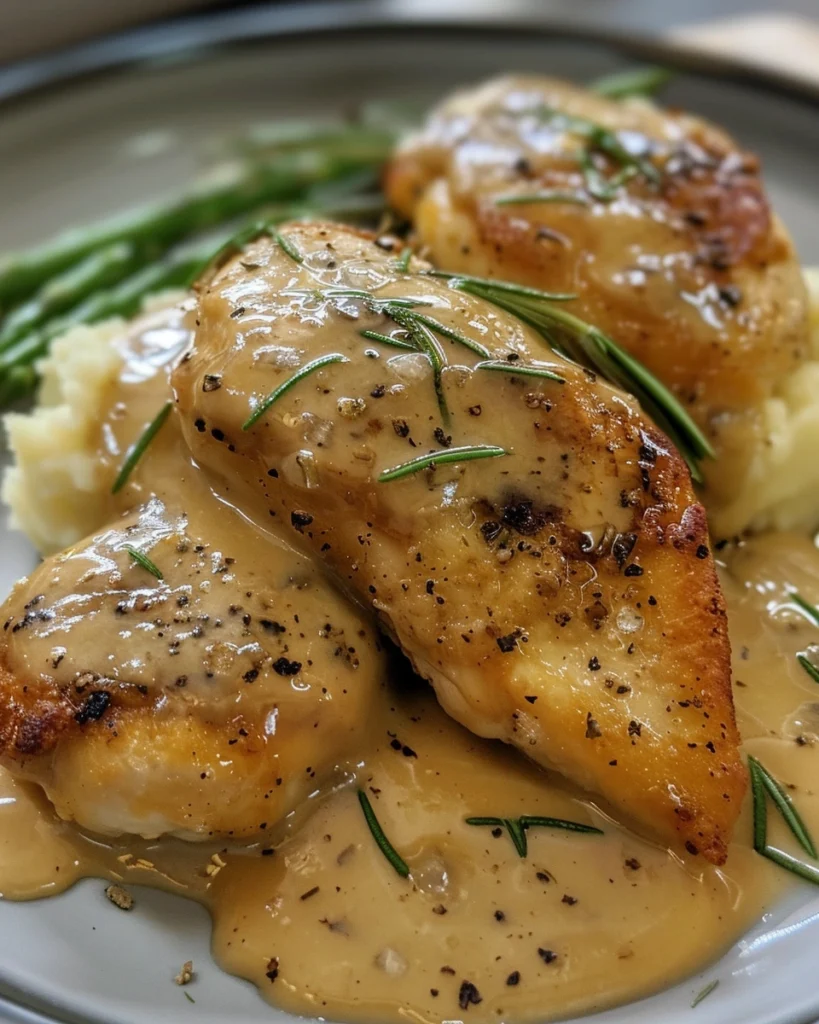
Eleven ingredients in thirty five minutes, tied for the quickest in this group bar the first, at 248 calories. View the full recipe — 35 minutes, serves 4, 248 calories
Spicy Southern Chicken and Gravy
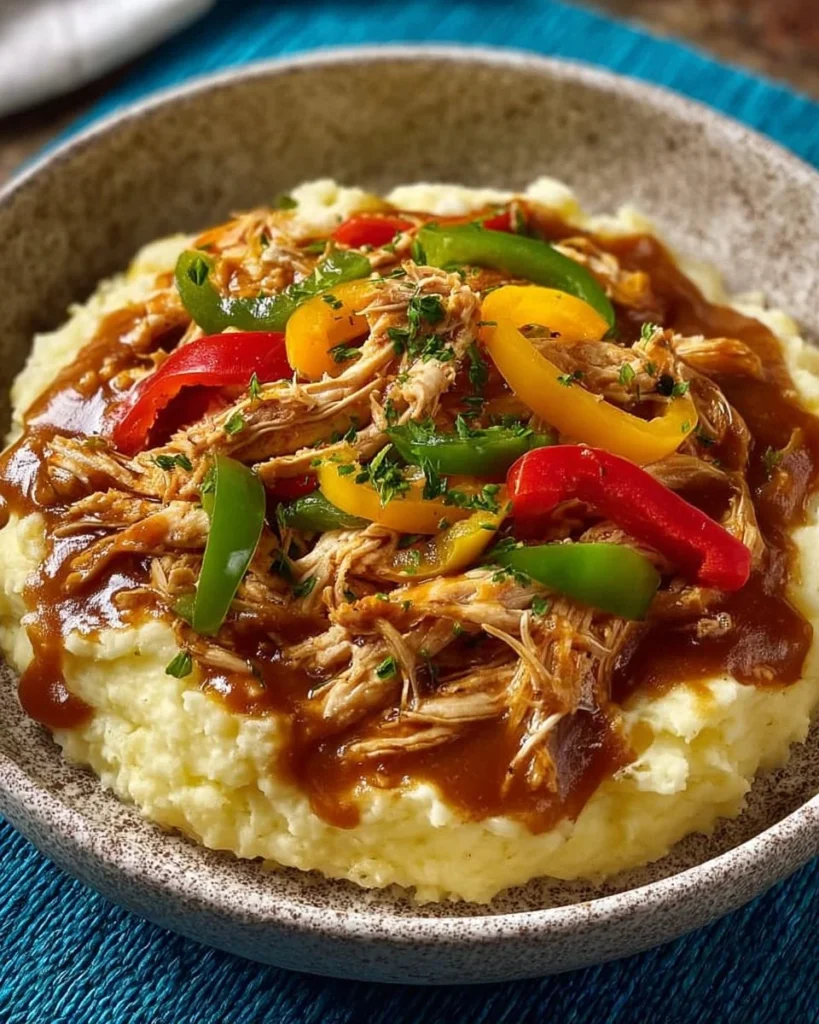
Fifteen ingredients, the most in this group, in thirty five minutes at 399 calories, the heaviest here. View the full recipe — 35 minutes, serves 4, 399 calories
Beef Gravy
Six, and the colour comes from cooking the roux longer. A blond roux is two or three minutes; a brown roux goes eight to ten and smells distinctly of toast. The longer it cooks the better it tastes and the less it thickens, because the heat is breaking the starch down, so a brown roux needs more flour for the same body.
Stovetop Beef Brown Gravy
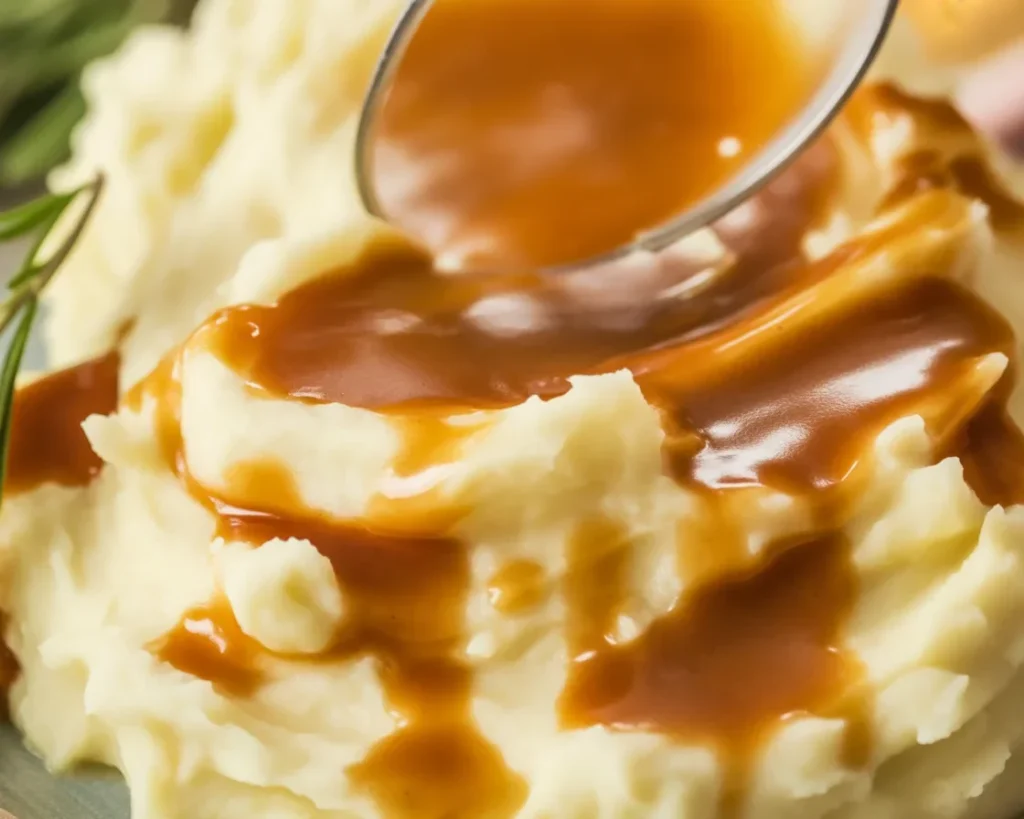
Seven ingredients, tied for the fewest on this page, in seventeen minutes, the quickest in this group, at 140 calories, also the lightest. View the full recipe — 17 minutes, serves 4, 140 calories
Ground Beef and Gravy Over Mashed Potatoes

Nine ingredients in forty five minutes at 402 calories. View the full recipe — 45 minutes, serves 4, 402 calories
Cube Steak With Gravy
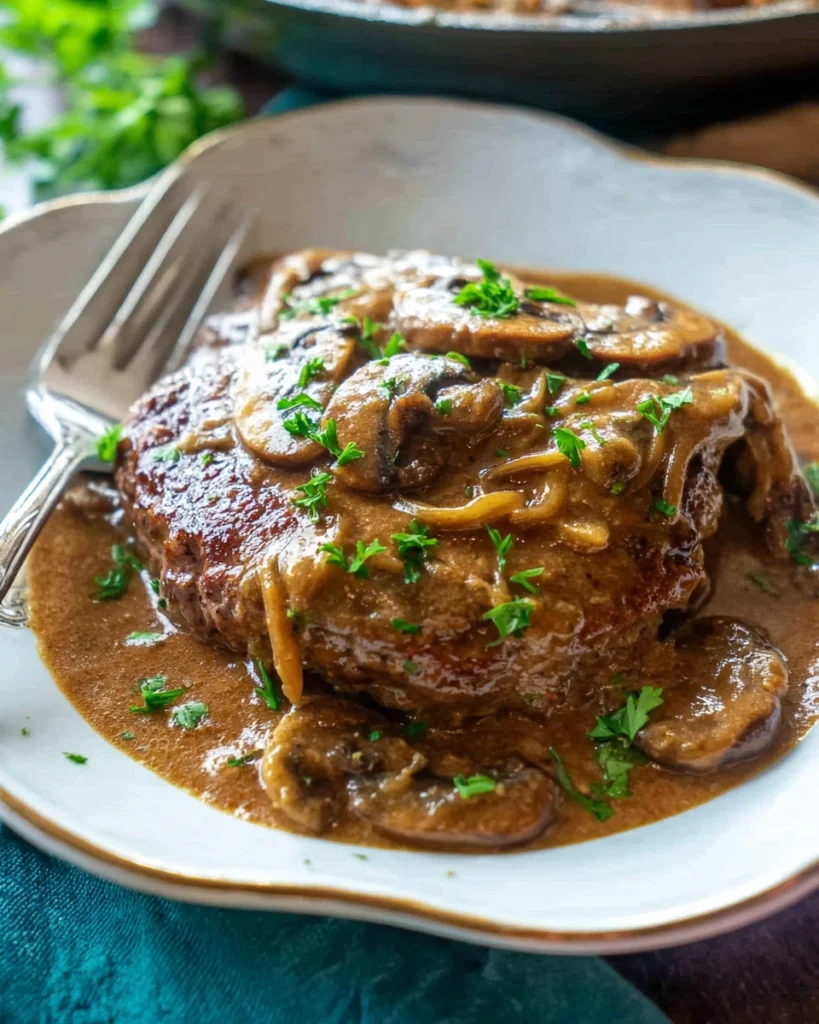
Ten ingredients in sixty minutes at 427 calories. Cube steak is mechanically tenderised round, which is why it suits a braise in gravy rather than a quick sear. View the full recipe — 60 minutes, serves 4, 427 calories
Round Steak and Gravy
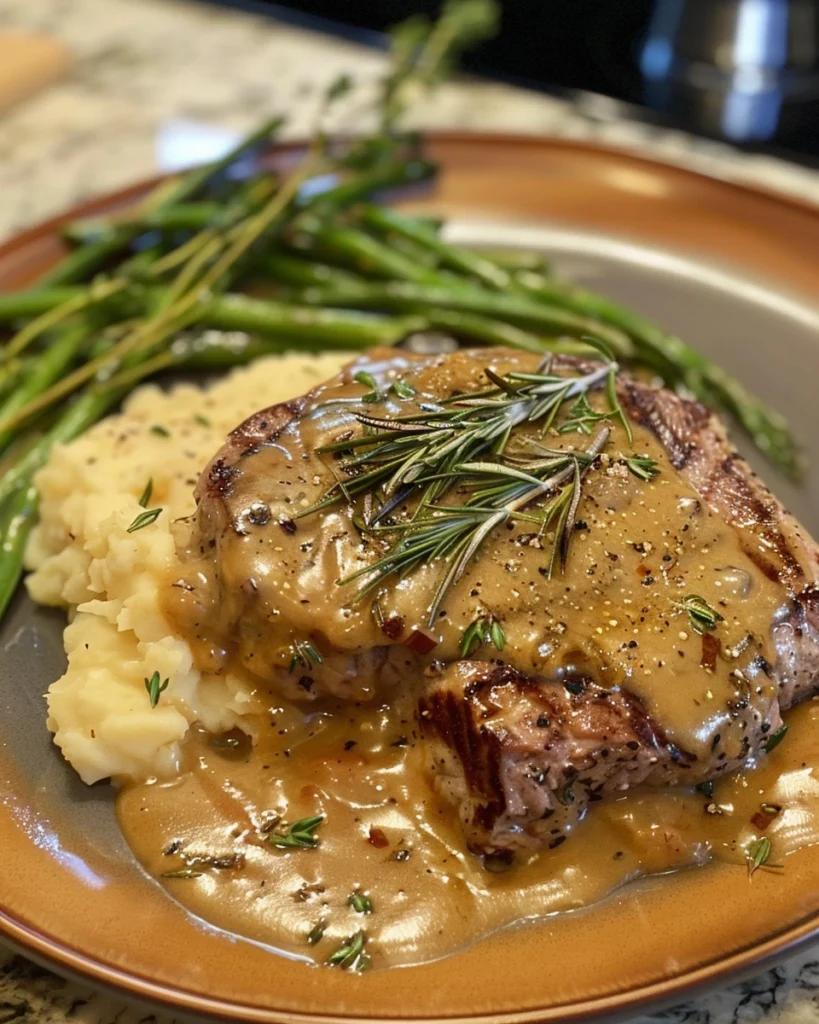
Ten ingredients over eight hours twenty at 477 calories. View the full recipe — 500 minutes, serves 4, 477 calories
Slow Cooker Brisket with Onions and Brown Sugar Gravy
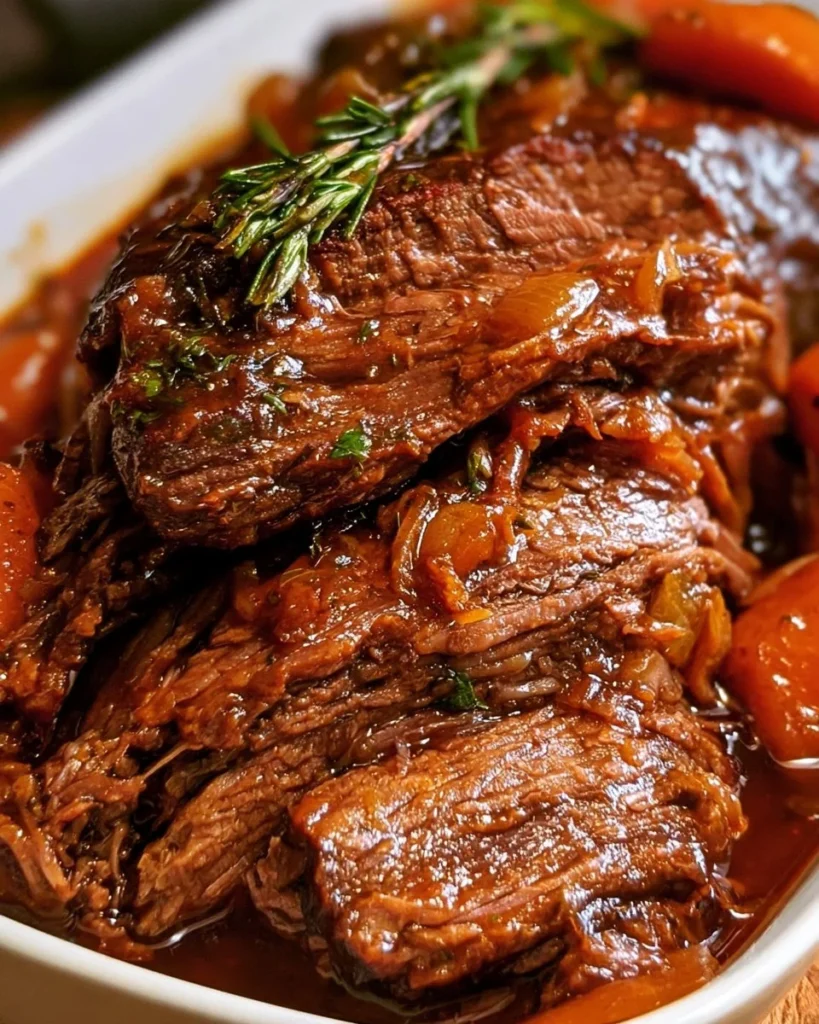
Fourteen ingredients over ten hours twenty, the longest recipe on this page, eight servings at 517 calories, the most portions here. View the full recipe — 620 minutes, serves 8, 517 calories
Balsamic Pot Roast with Rich Gravy
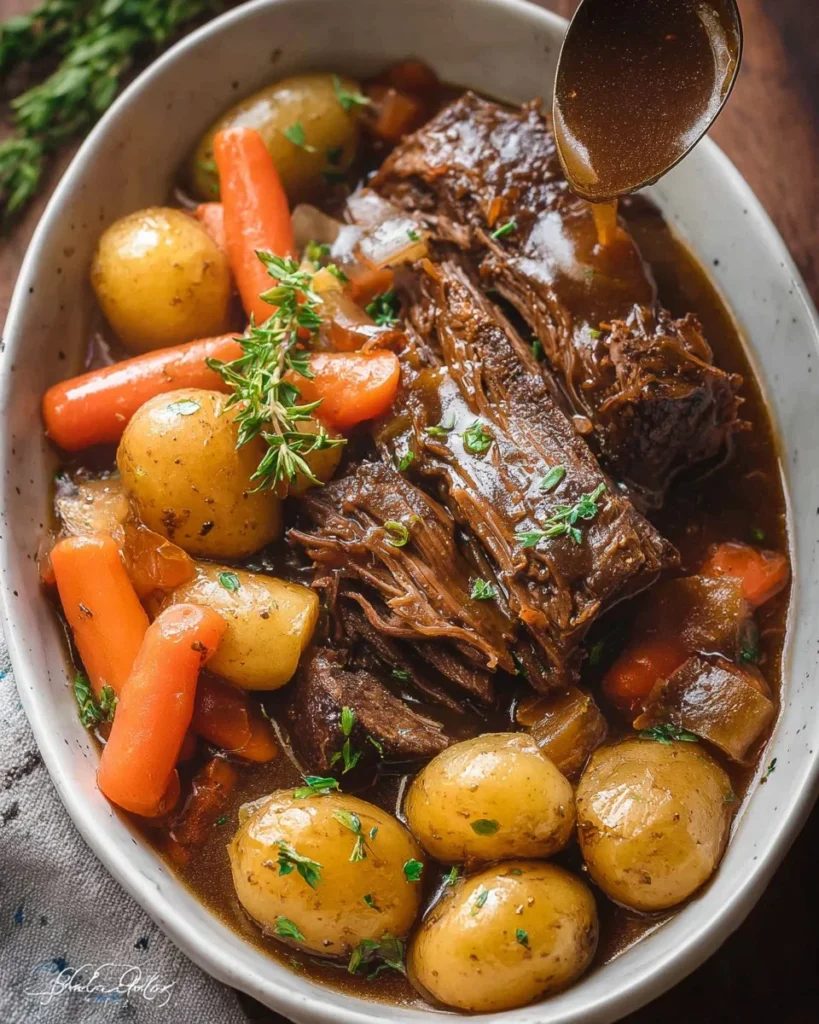
Eighteen ingredients, tied for the longest list on this page, in three hours fifty five, six servings at 632 calories, the heaviest in this group. View the full recipe — 235 minutes, serves 6, 632 calories
Sausage Gravy
Four, and this is the one gravy where the fat is already in the pan before you start. Brown the sausage, leave the rendered fat, stir the flour into it and cook it for a full two minutes, then add the milk gradually. A pasty sausage gravy is always a gravy whose flour never cooked.
White Country Sausage Gravy
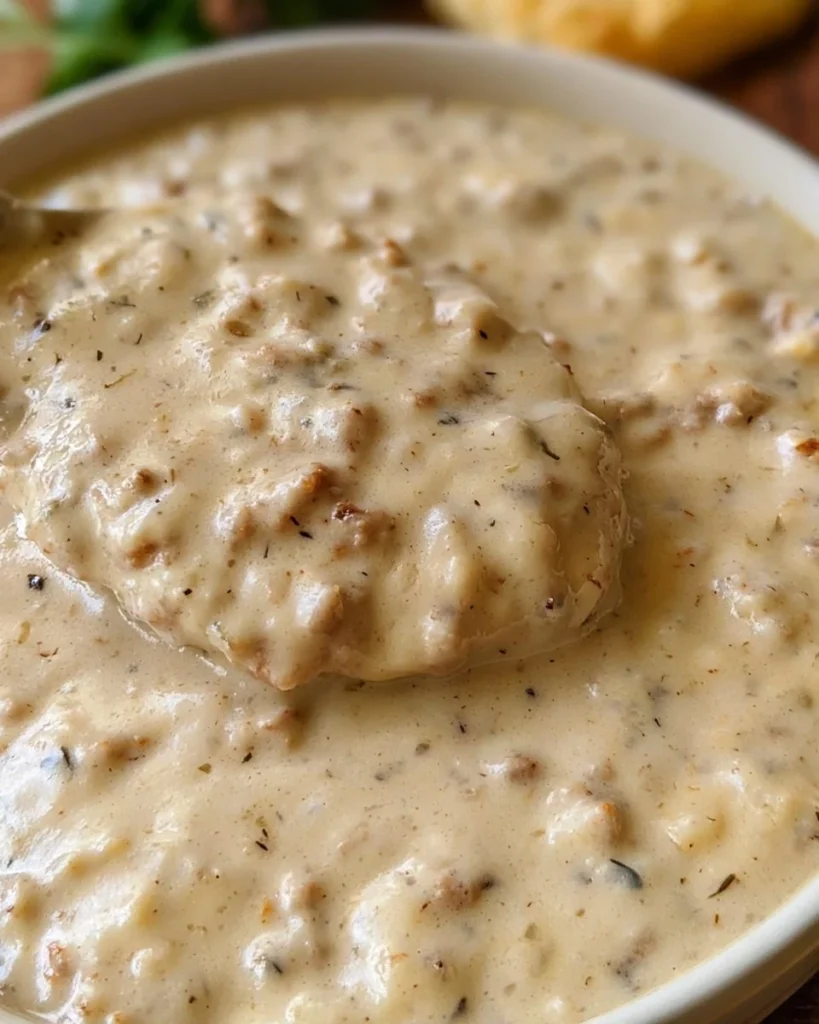
Seven ingredients, tied for the fewest on this page, in twenty five minutes, the quickest in this group, at 504 calories, also the lightest here. View the full recipe — 25 minutes, serves 4, 504 calories
Tater Tot Breakfast Bowl with Sausage Gravy

Nine ingredients in forty minutes at 511 calories. View the full recipe — 40 minutes, serves 4, 511 calories
Oven Baked Sausages and Gravy with Potatoes and Carrots
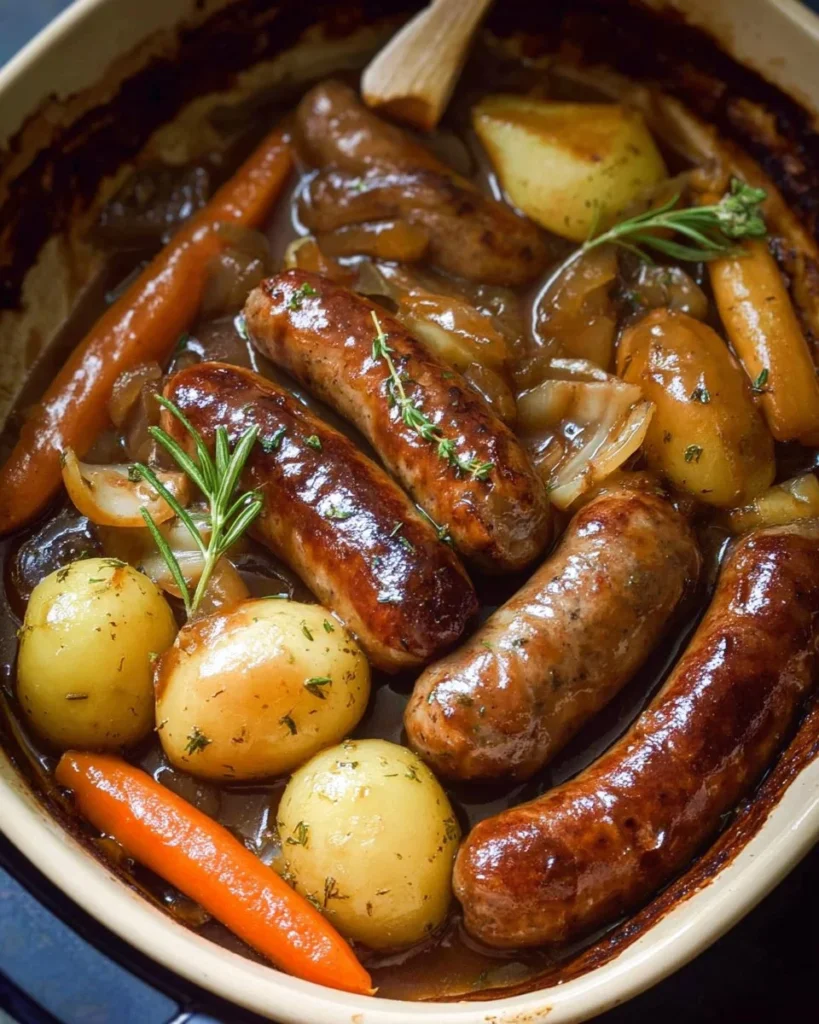
Thirteen ingredients in sixty five minutes, the longest in this group, at 739 calories. View the full recipe — 65 minutes, serves 4, 739 calories
Sausage and Mash with Onion Gravy

Fourteen ingredients, the most in this group, in forty five minutes at 949 calories, the heaviest recipe on this page. Onion gravy wants the onions properly browned first, twenty minutes at least, which is where its sweetness comes from. View the full recipe — 45 minutes, serves 4, 949 calories
Gravy and Mash
Two where the gravy and what it goes on were written together. Mashed potatoes are the test of a gravy: too thin and it runs off the plate, too thick and it sits on top in a lump rather than pooling.
Creamy Mashed Potatoes and Gravy
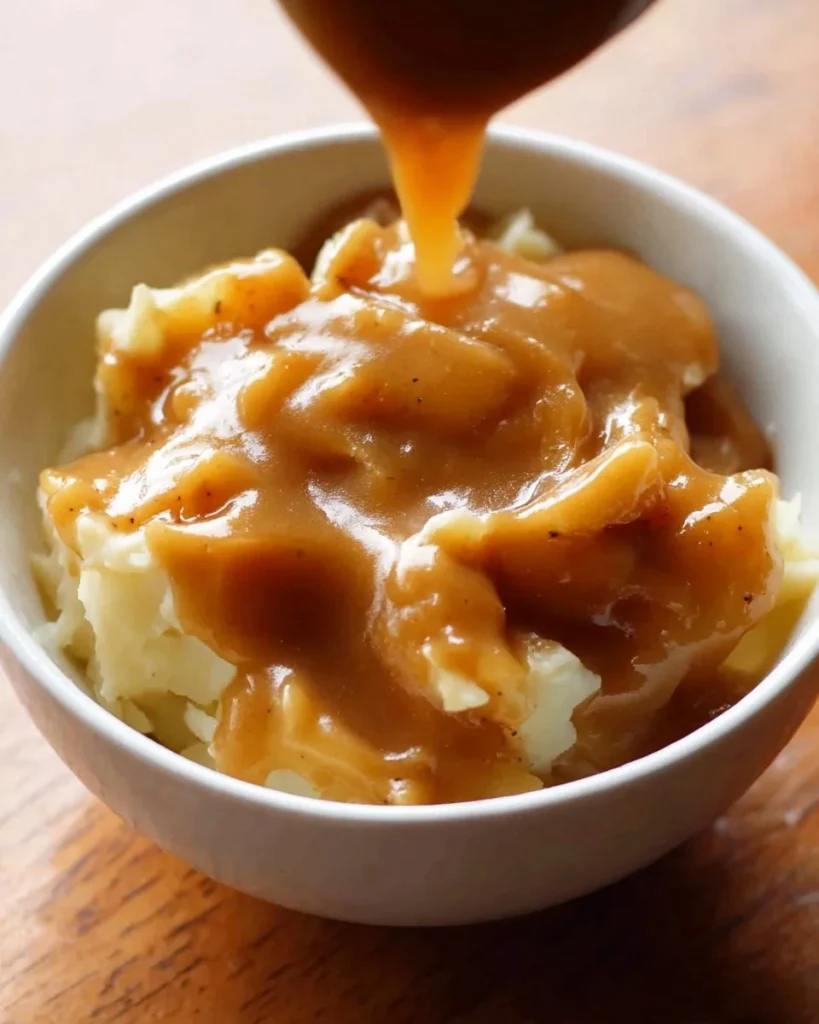
Fourteen ingredients in forty five minutes, the quicker of the two, six servings at 438 calories, the lighter. View the full recipe — 45 minutes, serves 6, 438 calories
Swedish Meatballs with Creamy Gravy

Eighteen ingredients, tied for the longest list on this page, in sixty minutes at 596 calories. A cream gravy rather than a stock one, so it goes in off a hard boil to stop it splitting. View the full recipe — 60 minutes, serves 4, 596 calories
Before You Choose Your Recipe
Five things cover gravy completely. The ratio comes first, and it is simple: equal weights of fat and flour, and about a cup of liquid per tablespoon of each for a pouring gravy. Two tablespoons of fat, two of flour and two cups of stock gives roughly four servings. Scale it from there, and remember that a brown roux thickens less than a blond one because the long cooking has broken some of the starch down, so a dark gravy wants a little more flour. The fond comes second, and it is the whole reason a pan gravy tastes better than one made from a packet. The browned material stuck to the bottom of a roasting pan or skillet is concentrated Maillard flavour, and it dissolves the moment liquid hits it. Pour off the excess fat, keep a couple of tablespoons, make your roux in the same pan, then add the liquid and scrape every bit of it loose with a flat spoon. Deglazing with a splash of wine first is worth doing when the dish suits it. The temperature rule is third and it is the one that prevents lumps. Hot liquid into hot roux is what causes them: the outside of each flour granule gelatinises and seals instantly, trapping dry flour inside. Cool stock into hot roux, or hot stock into a cold roux, and add it in stages. The first half cup should be whisked to a thick smooth paste before you loosen it with the rest. If you do get lumps, a sieve will rescue it, and so will a stick blender. Fourth, it has to simmer. Flour thickens by gelatinising, which happens somewhere between about 175F and 195F, and a gravy held below that will stay thin no matter how long you stir. Bring it to a simmer and keep it there for two or three minutes, which both thickens it fully and cooks out any remaining raw flour taste. Cornstarch thickens at a lower temperature but loses its grip if boiled hard or reheated, which is why it is the wrong choice for anything made ahead. Fifth, consistency. Gravy thickens considerably as it cools, so one that looks right in the pan will be stodgy on the plate. Make it slightly thinner than you want it, and keep extra hot stock nearby to loosen it. Season at the very end, because reducing concentrates salt and because the fond and any sausage or bacon in the pan have already seasoned it more than you expect.
Gravy Questions, Answered
What is the difference between a roux and a slurry?
A roux is flour cooked in fat before the liquid goes in, which removes the raw flour taste and builds flavour and colour. A slurry is flour or cornstarch mixed with cold water and stirred into simmering liquid at the end. A slurry is faster and foolproof; a roux tastes better.
How do I stop gravy going lumpy?
Never add hot liquid to a hot roux. The outside of each flour granule gelatinises instantly and seals dry flour inside. Use cool stock into a hot roux, add the first half cup gradually and whisk it to a smooth paste before loosening it.
What is the ratio for gravy?
Equal weights of fat and flour, and roughly a cup of liquid per tablespoon of each. Two tablespoons of fat, two of flour and two cups of stock makes about four servings of pouring gravy.
Why is my gravy still thin?
It probably never reached a simmer. Flour thickens by gelatinising at around 175F to 195F, and gravy held below that will stay thin however long you stir. Bring it up and hold it there two or three minutes.
Why does my gravy taste pasty?
The flour did not cook. Stir it into the hot fat and cook it for a full two minutes before any liquid arrives, longer if you want a browner gravy. This is the step that separates a good sausage gravy from a floury one.
Should I use cornstarch or flour?
Flour for anything made ahead or reheated, since cornstarch loses its thickening if boiled hard or warmed up again. Cornstarch for a quick glossy finish, and it is gluten free, which flour is not.
How do I make gravy without pan drippings?
Use butter for the fat and the best stock you have, and build colour deliberately: brown the roux properly, add a spoonful of tomato paste or a splash of soy sauce for depth, and brown some onion first. It will not match a pan gravy, but it will be good.
My gravy got too thick. Now what?
Loosen it with hot stock, a little at a time, off the heat. Cold liquid will seize it. Remember it thickens further as it cools, so make it slightly thinner than looks right in the pan.
More to Try
- Potato Recipes — what gravy goes on
- Sausage Recipes — and fresh is not cured
- Beef Recipes — every cut, one page
- Pot Roast Recipes — and why it gets tough first
- Meatball Recipes — including Swedish in cream gravy
- Breakfast Recipes — biscuits and sausage gravy
Browse all of our recipe collections.