The safe internal temperature for whole cuts of pork is 145F followed by a three minute rest, and has been since the USDA revised it in 2011. The old figure of 160F existed because of trichinella, which has been effectively eliminated from commercial American pork for decades. At 145F a pork chop is faintly pink in the middle and it is both safe and good. At 160F it is grey and dry, which is why so many people believe they dislike pork chops.
Compounding that, modern pork is considerably leaner than the pork those old recipes were written for, so there is less fat to buffer the overcooking. Lean cuts, meaning chops, loin and tenderloin, benefit from thirty minutes in a simple brine and want fast high heat. Fatty, collagen rich cuts, meaning shoulder, belly and ribs, want the opposite: hours of low heat, and a thermometer is almost irrelevant because you are waiting for texture. Ground pork and sausage still go to 160F. Fourteen recipes here, from ten minutes to over eight hours.
Ham, Glazed and Baked
Three, and all three start from a ham that is already fully cooked. Baking it is reheating, so take it to about 140F and no more, and keep the sugary glaze for the last twenty to thirty minutes or it will blacken.
Crockpot Ham Green Beans Potatoes

Eleven ingredients, the most in this group, over seven hours fifteen, the longest here, six servings at 206 calories, also the lightest. View the full recipe — 435 minutes, serves 6, 206 calories
Honey Pineapple Ham Bake
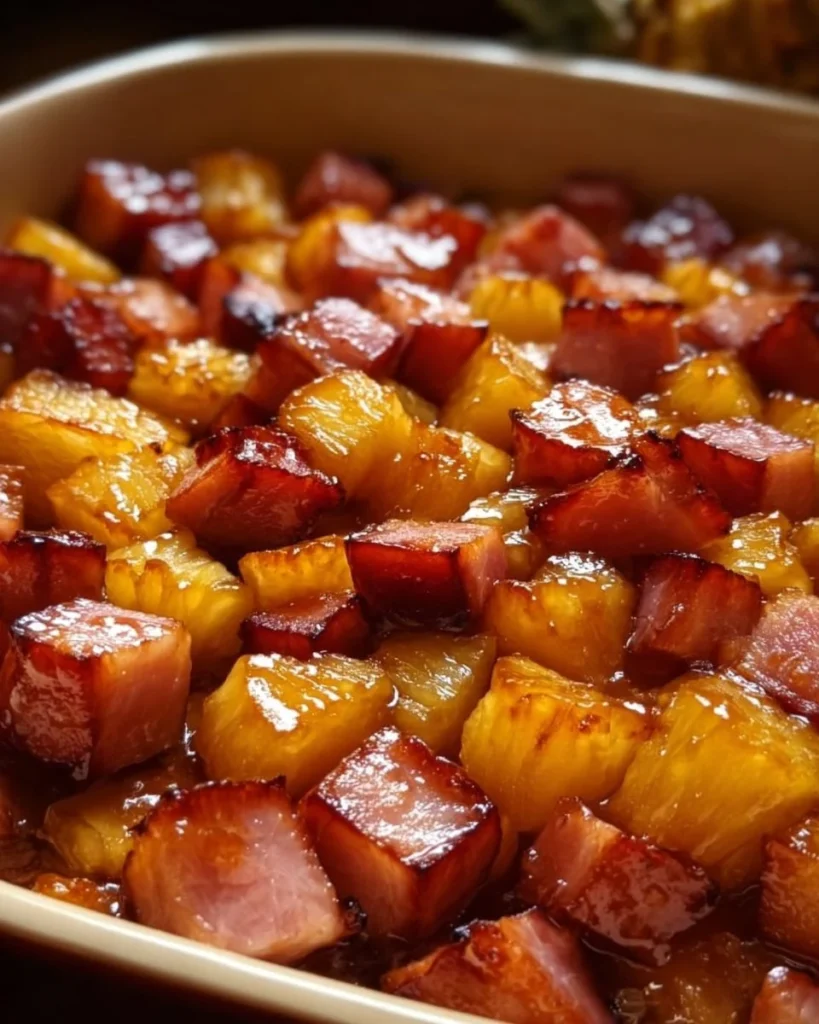
Seven ingredients, the fewest in this group, in forty five minutes, the quickest here, six servings at 352 calories. View the full recipe — 45 minutes, serves 6, 352 calories
Honey Glazed Spiral Ham

Eight ingredients in two hours, sixteen servings at 417 calories, the heaviest in this group. A spiral ham is pre sliced, which means it dries fast, so cover it and add liquid to the pan. View the full recipe — 120 minutes, serves 16, 417 calories
Shoulder, Ribs and Slow Cooked
Four from the collagen camp, where time rather than temperature decides when it is done. Pork shoulder is ready when it shreds under a fork, which happens long after any thermometer says it is safe, because connective tissue needs sustained hours above roughly 160F to become gelatin.
Homemade Pork Tamales

Eight ingredients in two and a half hours, twenty tamales at 200 calories each, the lightest in this group. View the full recipe — 150 minutes, serves 20, 200 calories
Pork Green Chile Stew
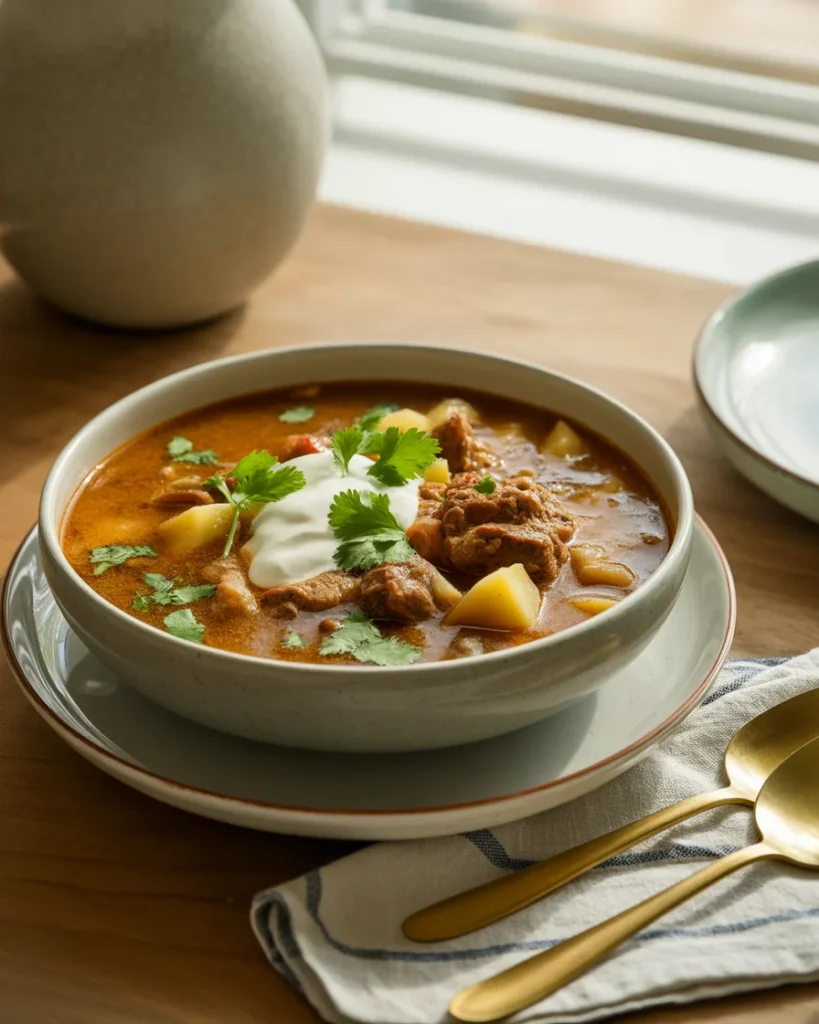
Twelve ingredients, tied for the most on this page, in an hour fifty, the quickest in this group, six servings at 421 calories. View the full recipe — 110 minutes, serves 6, 421 calories
Oven Baked Baby Back Ribs with BBQ Sauce
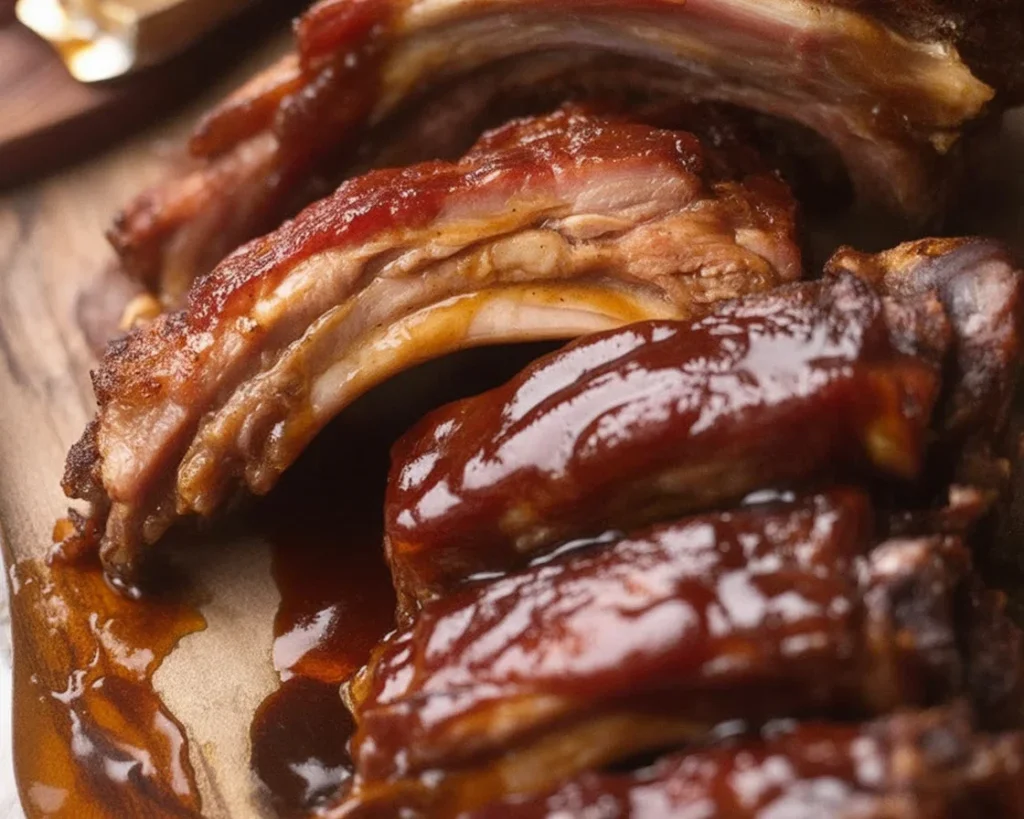
Seven ingredients, the fewest in this group, in three hours forty five at 495 calories. Pull the membrane off the bone side first; it never softens and it blocks the rub. View the full recipe — 225 minutes, serves 4, 495 calories
BBQ Pulled Pork Sandwiches
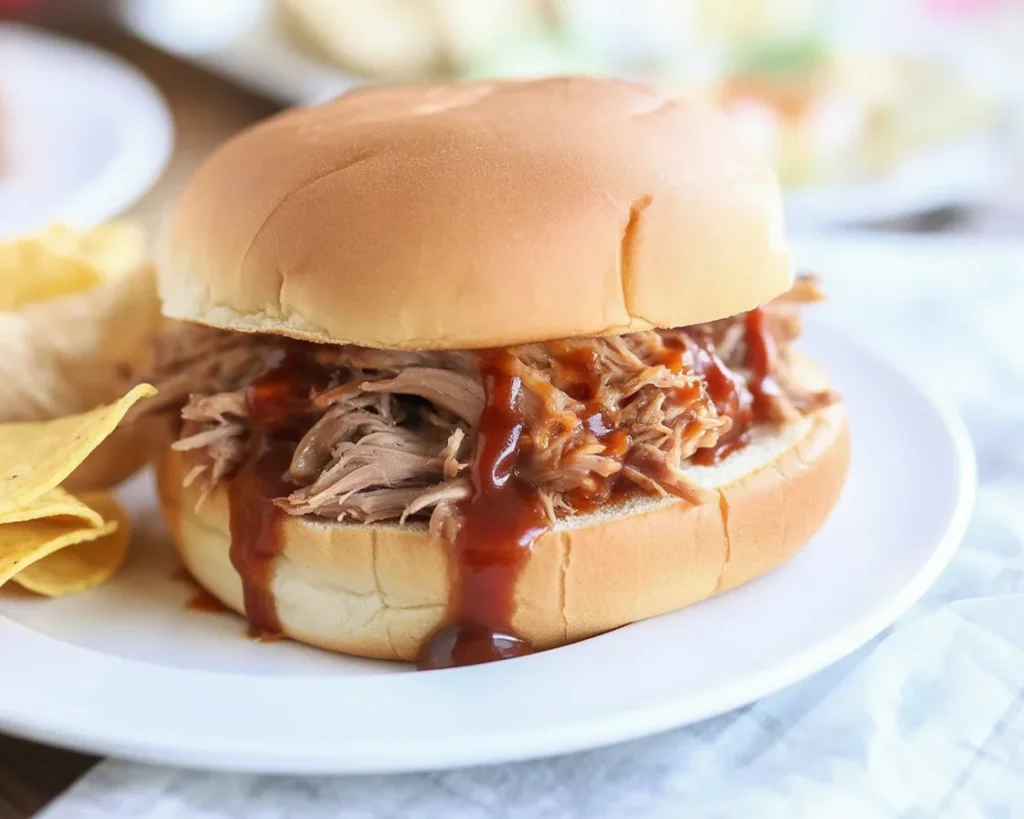
Ten ingredients over eight hours twenty, the longest recipe on this page, eight servings at 761 calories, also the heaviest. View the full recipe — 500 minutes, serves 8, 761 calories
Chops, Burgers and Pancetta
Three from the lean and fast camp, and this is where the 145F rule matters most. Brine chops for thirty minutes in a tablespoon of salt per cup of water, dry them thoroughly, and sear them hard. Ground pork is the exception and still goes to 160F.
Pan Seared Garlic Pork Chops

Nine ingredients in forty minutes, the longest in this group, at 413 calories, the lightest here. View the full recipe — 40 minutes, serves 4, 413 calories
Creamy Pancetta Carbonara

Eight ingredients, the fewest in this group, in thirty minutes, tied for the quickest here, at 497 calories. Carbonara is egg and cheese off the heat, never cream, and never over a flame. View the full recipe — 30 minutes, serves 4, 497 calories
Juicy Beef and Pork Burgers

Nine ingredients in thirty minutes, tied for the quickest in this group, at 683 calories. Pork in a burger adds fat and tenderness that lean ground beef lacks. View the full recipe — 30 minutes, serves 4, 683 calories
Appetizers and Breakfast
Four built on cured pork, which is a different ingredient again: prosciutto, pancetta and ham are preserved with salt, so they season whatever they touch and need almost no cooking.
Filipino Pork Lumpia

Ten ingredients in forty five minutes, twenty five pieces at 79 calories each, the lightest recipe on this page and the most portions. View the full recipe — 45 minutes, serves 25, 79 calories
Prosciutto Brie Bread Bowl
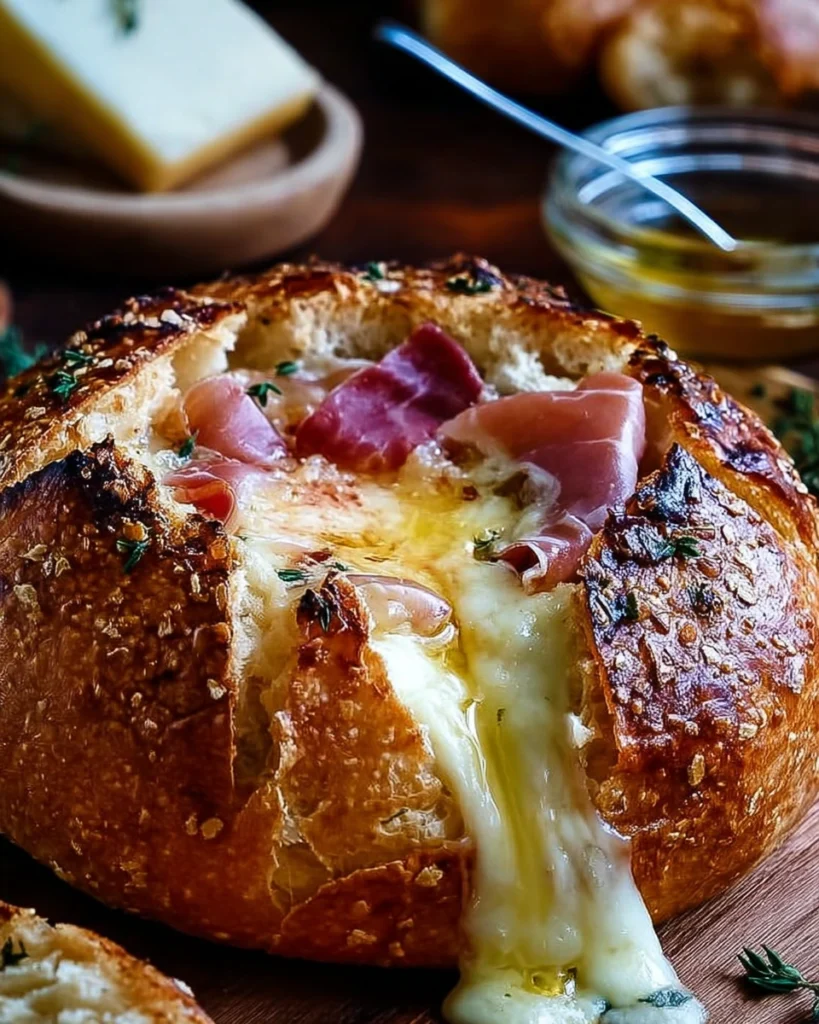
Seven ingredients in forty minutes, eight servings at 145 calories. View the full recipe — 40 minutes, serves 8, 145 calories
Dill Pickle Dip with Ham
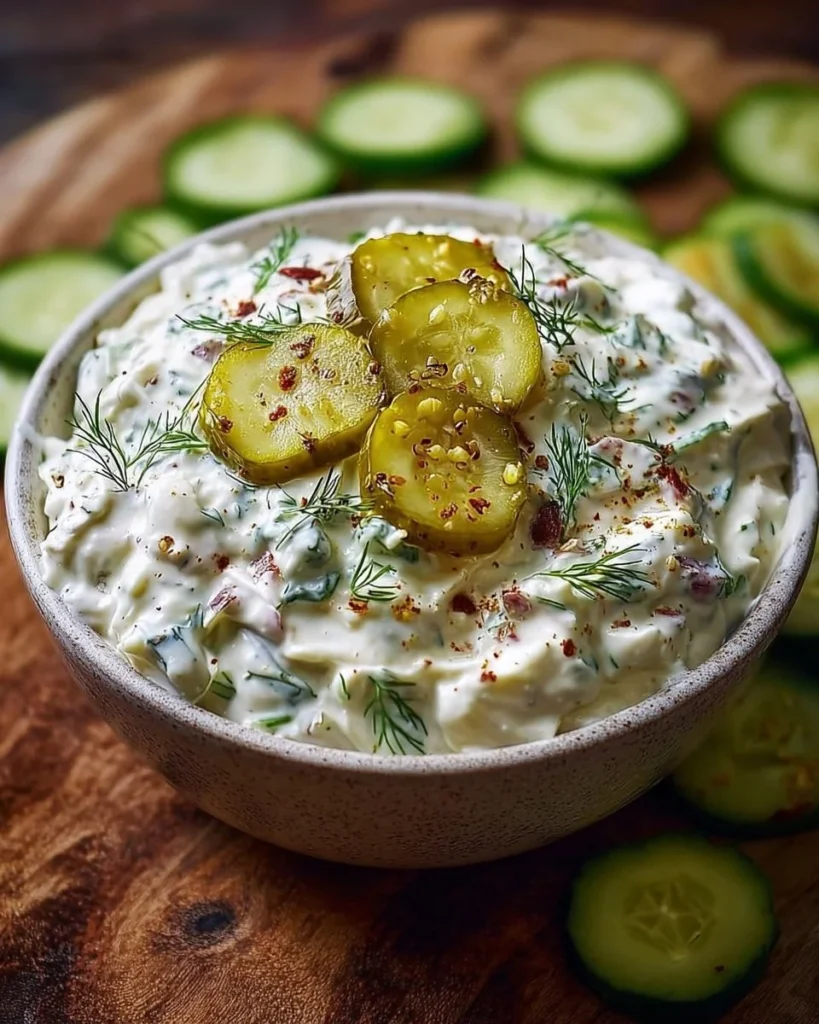
Five ingredients, the shortest list on this page, in ten minutes, the quickest recipe here, eight servings at 230 calories. View the full recipe — 10 minutes, serves 8, 230 calories
Breakfast Protein Biscuits with Ham and Cheddar
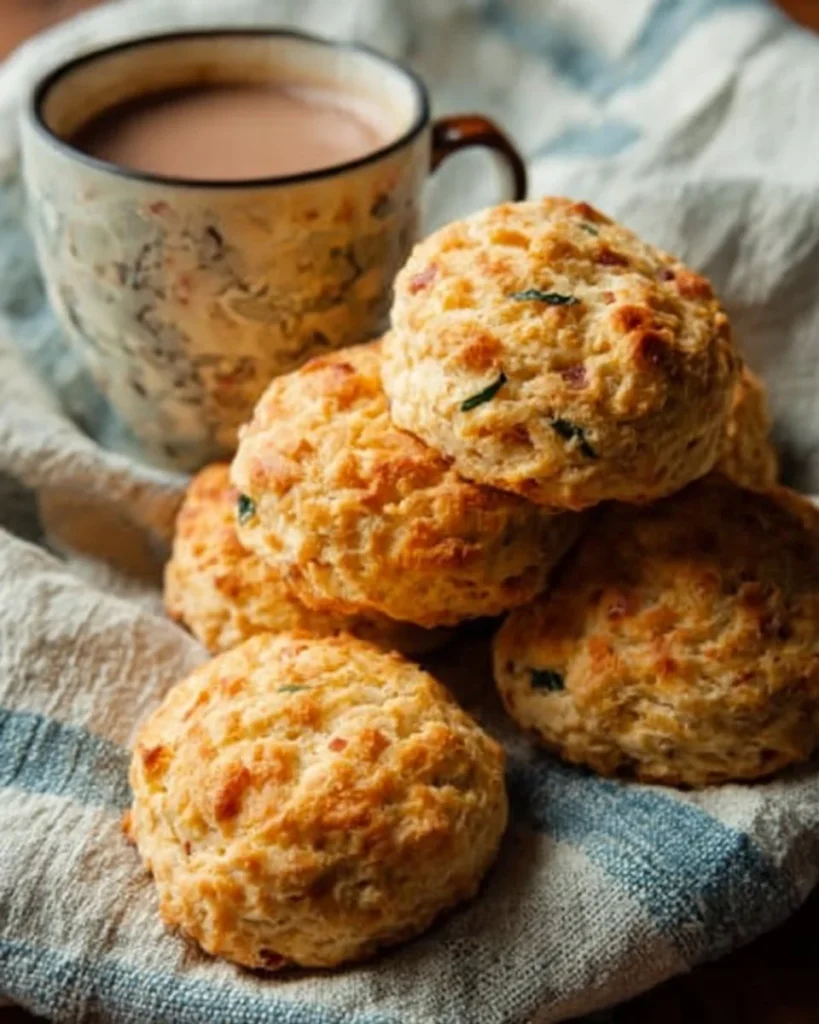
Twelve ingredients, tied for the most on this page, in fifty minutes, the longest in this group, twelve servings at 264 calories, the heaviest here. View the full recipe — 50 minutes, serves 12, 264 calories
Before You Choose Your Recipe
Pork splits cleanly into two kinds of cooking and almost every mistake comes from applying one to the other. Lean cuts are loin, tenderloin and chops. They have little fat and little connective tissue, they cook fast, and they go from juicy to dry across a span of about fifteen degrees. Cook them hot and briefly to 145F internal, rest three minutes, and accept that the center will be faintly pink. That pink is the correct result and not undercooked meat. A thirty minute brine, a tablespoon of salt dissolved in a cup of water, is the cheapest insurance available for these cuts: the salt helps the muscle hold water, so a chop that overshoots by a few degrees is still edible. Dry the surface thoroughly afterwards or it will steam instead of searing. Fatty cuts are shoulder, which is sold as butt or picnic, plus belly and ribs. These are full of connective tissue and the entire point is to convert it to gelatin, which needs hours above roughly 160F. Temperature readings are nearly useless here because the meat passes through done on its way to tender: a shoulder at three hours is tougher than at two, and at seven it shreds. Cook until a fork turns easily, not until a number appears. For ribs, pull the thin membrane off the bone side before seasoning, since it never softens and it keeps rub and smoke off the meat. Three more notes worth having. Pork takes a sweet glaze better than almost any other meat, which is why ham, ribs and pulled pork all end up with sugar on them, but sugar caramelises from around 320F and burns shortly after, so glaze in the last twenty to thirty minutes rather than at the start. Cured pork, meaning ham, bacon, prosciutto and pancetta, is salted by design and seasons everything it cooks with, so salt those dishes at the end and taste first. And ground pork, unlike whole cuts, still goes to 160F, because grinding distributes any surface bacteria throughout the meat.
Pork Questions, Answered
What temperature should pork be cooked to?
145F for whole cuts, followed by a three minute rest. The USDA lowered it from 160F in 2011. Ground pork and sausage are the exception and still go to 160F, because grinding spreads surface bacteria through the meat.
Is pink pork safe?
Yes, in a whole cut cooked to 145F. Trichinella has been effectively eliminated from commercial American pork, and the old 160F guidance was built around it. A faintly pink chop at 145F is both safe and far better than a grey one at 160F.
Why do my pork chops come out dry?
Because they are cooked to the old temperature, and because modern pork is leaner than the pork those recipes assumed. Cook to 145F, rest three minutes, and brine the chops for thirty minutes first in a tablespoon of salt per cup of water.
What is the difference between pork shoulder and pork loin?
Shoulder is marbled and full of connective tissue, so it wants hours of low heat and shreds when ready. Loin and tenderloin are lean with almost no connective tissue, so they want fast high heat and a thermometer. They are not interchangeable.
How do I know when pulled pork is done?
By texture, not temperature. It is ready when a fork turns easily in it, which happens hours after it is technically safe to eat. The meat genuinely gets tougher before it gets tender, as the collagen slowly converts to gelatin.
Should I remove the membrane from ribs?
Yes. The thin silver membrane on the bone side never softens, and it blocks rub and smoke from reaching the meat. Lift a corner with a knife, grip it with a paper towel and pull.
When should I glaze pork?
In the last twenty to thirty minutes. Pork glazes are mostly sugar, which caramelises from around 320F and burns soon after, so a glaze applied at the start of a long cook will be black well before the meat is ready.
Do I need to salt a dish made with ham or bacon?
Taste it first, and often not at all. Cured pork is heavily salted as part of the cure and releases that salt into whatever it cooks with. Season at the very end rather than at the start.
More to Try
- Ham Recipes — and your ham is already cooked
- Bacon Recipes — the cured cut, on its own page
- Sausage Recipes — fresh and cured together
- BBQ Recipes — and why sauce goes on last
- Mexican Recipes — tamales and green chile
- Christmas Dinner Recipes — where the spiral ham belongs
Browse all of our recipe collections.