Four of the eight recipes here are the same four ingredients: starter, water, bread flour, salt. What separates them is not the formula but the clock, and the spread is wide, from under eight hours to nearly fifteen.
That is the honest way to choose one. Pick the schedule that fits your day rather than the recipe with the best photograph. After the four plain loaves come a soft sandwich loaf, two kinds of rolls and a batch of jalapeno cheddar bagels, all built on the same active starter.
The Basic Loaf, Four Schedules
Starter, water, bread flour, salt. Four ingredients in every one of these, twelve slices each, and between 151 and 194 calories a slice. The only real difference is how long the dough is left alone.
Dutch Oven Sourdough Boule
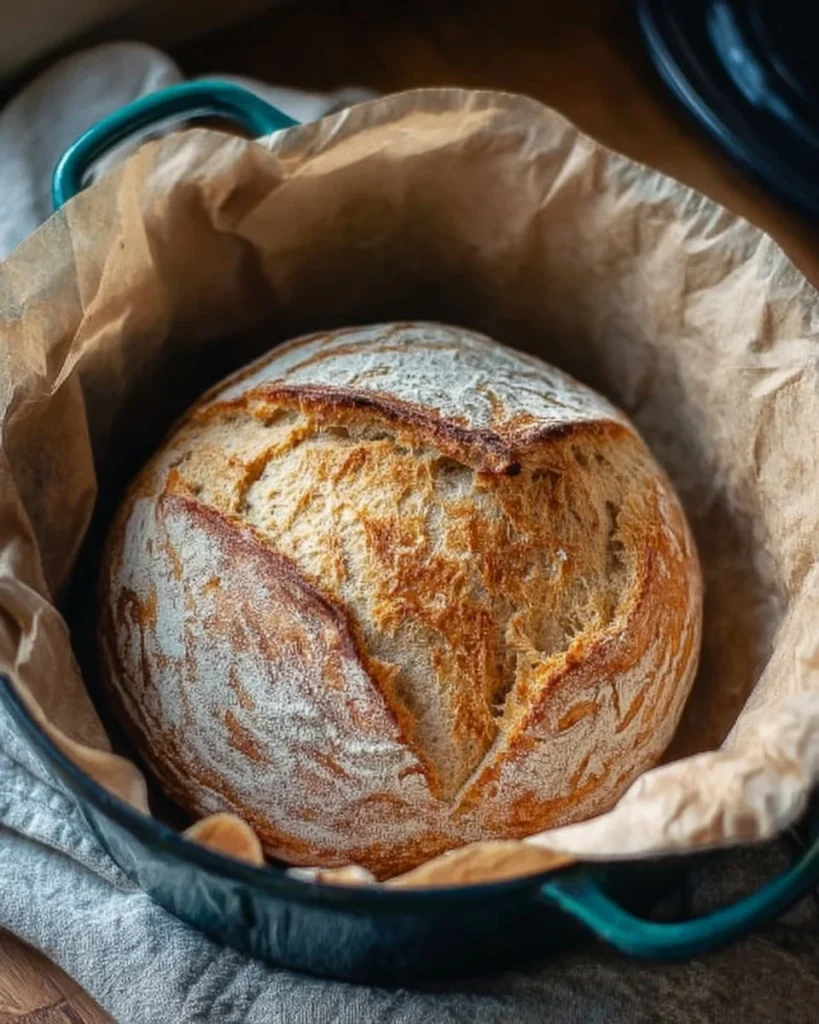
Seven and a half hours start to finish, the shortest in this group, and 151 calories a slice, the lightest recipe on this page. A cup of active starter against three and a quarter cups of flour is a high inoculation, which is exactly why it moves faster than the others. View the full recipe — 460 minutes, serves 12, 151 calories
Same Day Sourdough Bread
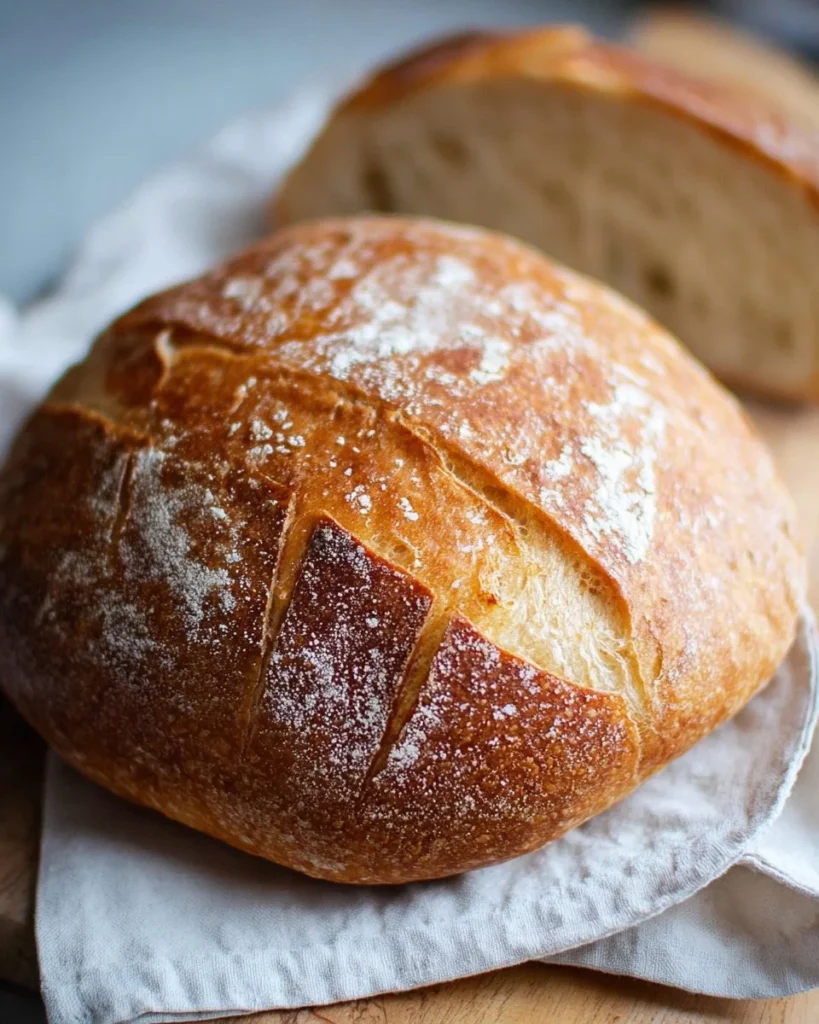
Just under ten hours with a half cup of starter to four cups of flour. Doable in one waking day if you mix early, which is the entire point of it, and the lower starter ratio gives a slightly more sour finish than the boule. View the full recipe — 580 minutes, serves 12, 165 calories
Easy Overnight Sourdough Bread
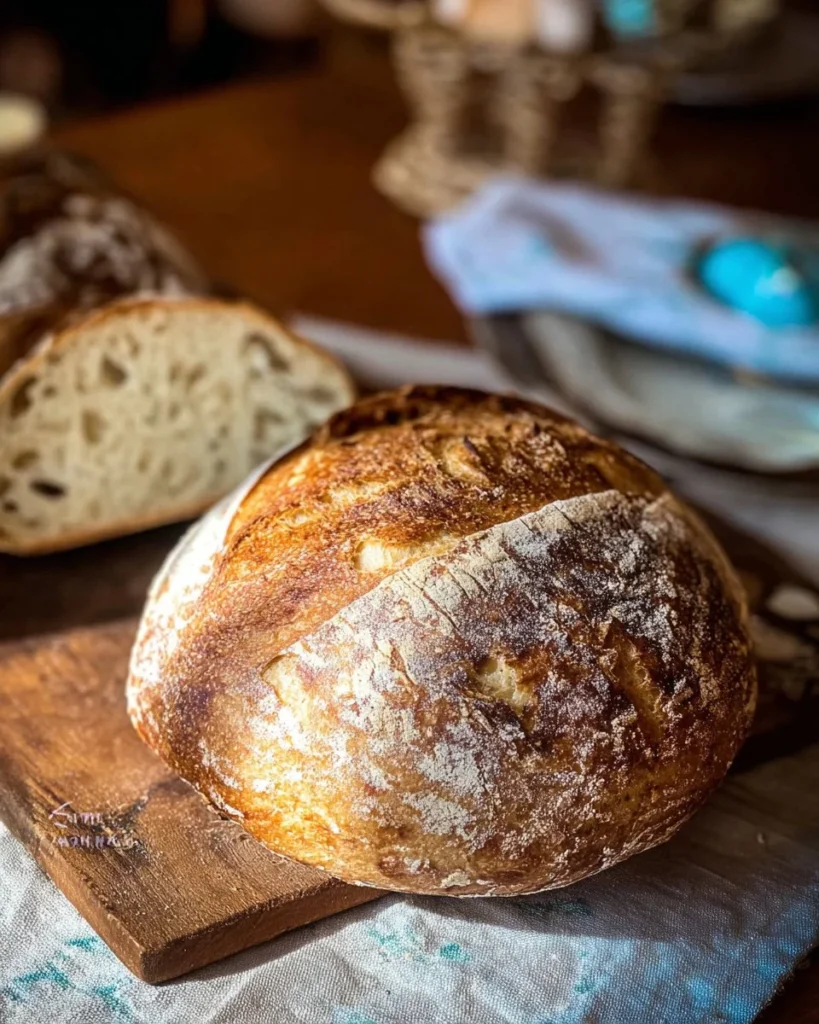
Twelve hours on a quarter cup of starter, which is the lowest ratio here. Less starter means a longer, cooler ferment and more flavour development, and it is the one to mix after dinner and bake before lunch. View the full recipe — 725 minutes, serves 12, 168 calories
Beginner Sourdough Bread

Nearly fifteen hours, the longest recipe on this page, at 194 calories a slice, the heaviest in this group because it uses the most flour of the four. The extra time is deliberate slack: a long window is far more forgiving of a sluggish starter than a tight one. View the full recipe — 890 minutes, serves 12, 194 calories
Beyond the Boule
Same starter, different shapes. These four add fat, sugar or eggs, which is what takes you from an open crumb to something soft enough to slice thin or split.
Jalapeno Cheddar Sourdough Bagels

Thirteen ingredients, the longest list on this page, and five hours, the shortest here. Bagels get boiled in water with brown sugar and baking soda before baking, and that boil is what sets the crust and gives the chew; skip it and you have bread rolls with holes. View the full recipe — 305 minutes, serves 8, 229 calories
Crusty Sourdough Rolls with Freshly Milled Flour
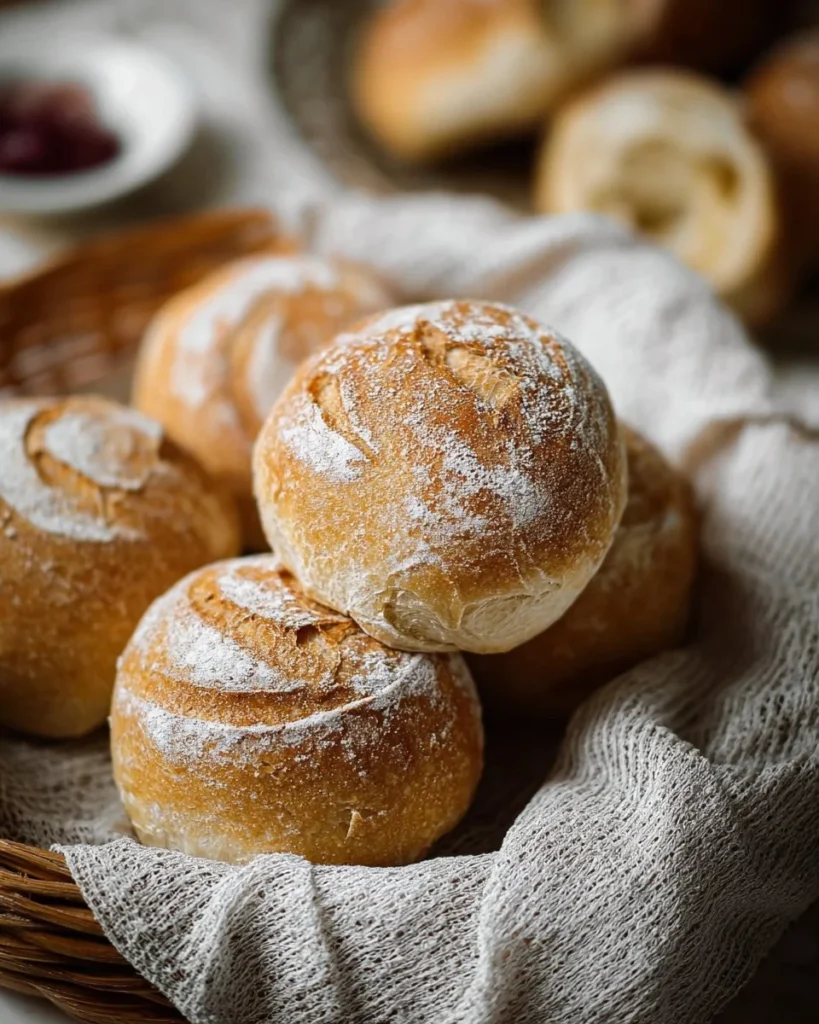
Five ingredients and 158 calories a roll, tied for the lightest in this group, from a cup and a half of starter into three cups of freshly milled hard white wheat. Rolls bake in a fraction of the time a loaf needs, so the crust sets before the crumb dries out. View the full recipe — 355 minutes, serves 12, 158 calories
Whole Wheat Sourdough Dinner Rolls
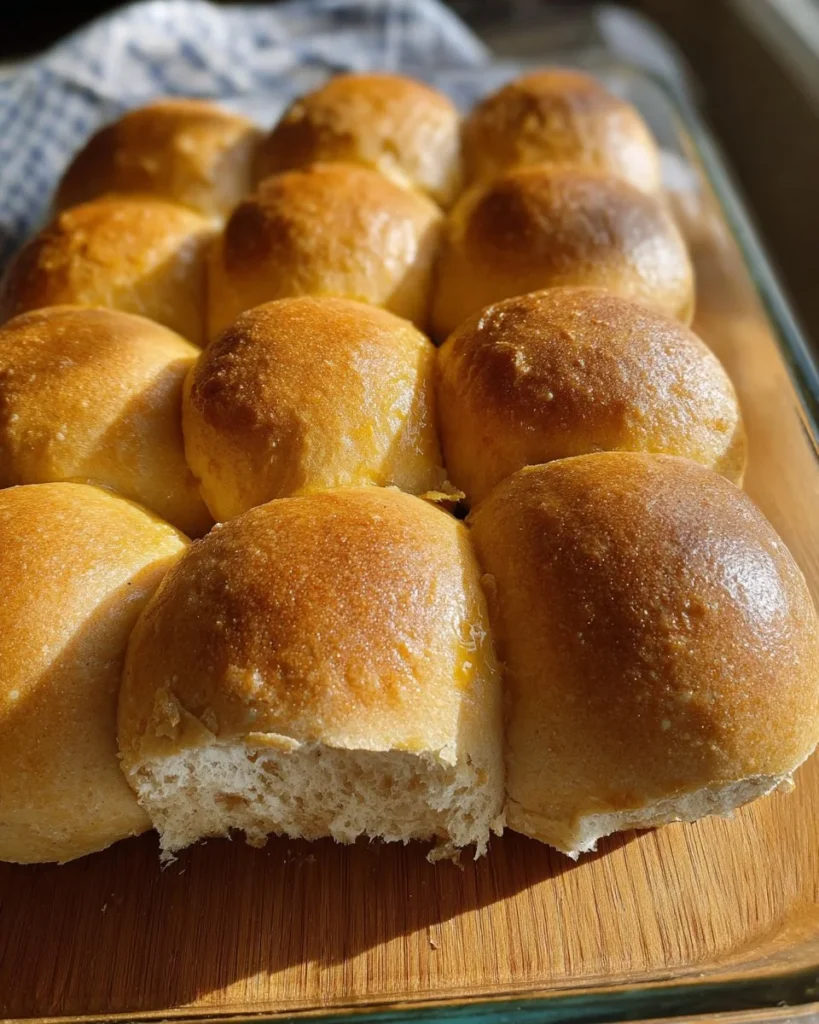
262 calories a roll, the heaviest recipe on this page, with a quarter cup of honey, a quarter cup of oil and two eggs. That is an enriched dough, and the fat is what makes them soft rather than crusty. View the full recipe — 355 minutes, serves 12, 262 calories
Soft Sourdough Sandwich Bread
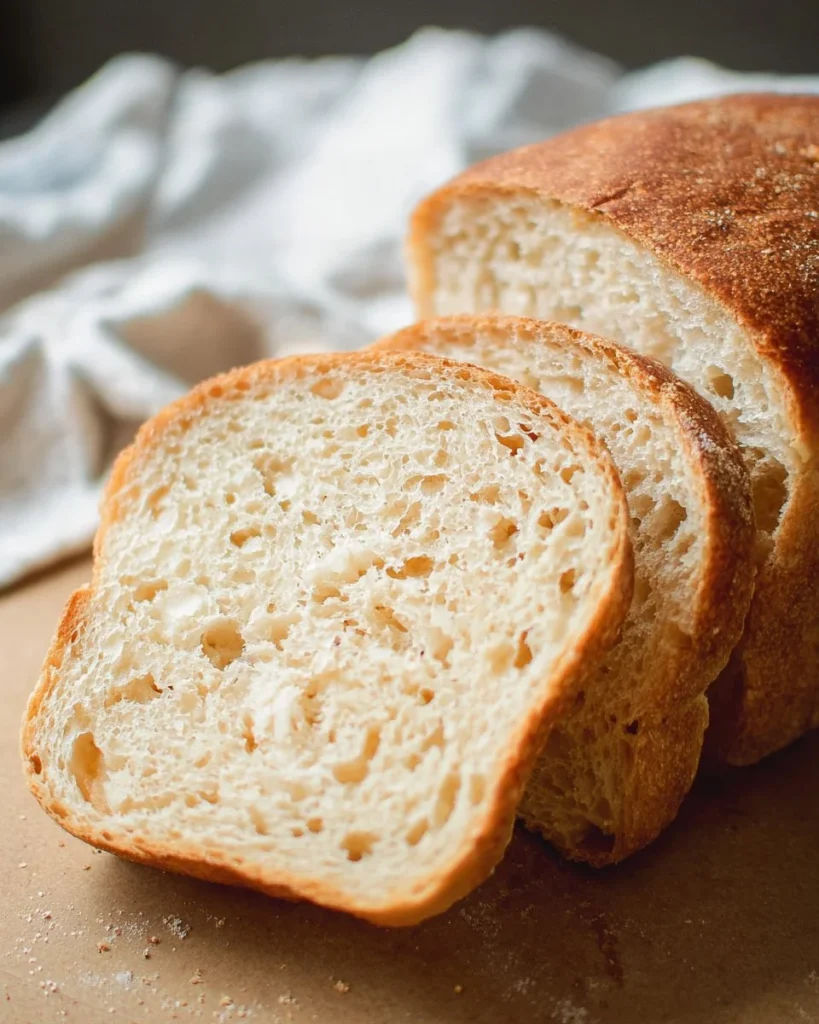
Eight and a half hours, the longest in this group, with a tablespoon each of sugar and oil in a mix of bread and all purpose flour. The lower protein all purpose flour is deliberate: less gluten means a tighter, softer crumb that holds a sandwich instead of dropping the filling through. View the full recipe — 515 minutes, serves 12, 158 calories
Before You Choose Your Recipe
Every recipe here says active starter, and that word is the whole game. A starter is ready when it has roughly doubled after feeding and holds a dome of bubbles, usually four to eight hours after a feed at room temperature. Used before that, the dough will not rise in the window the recipe gives you, and the usual symptom is a dense loaf that gets blamed on the recipe. The float test is the quick check: a spoonful dropped in water should float. The second thing is that the times printed here are not laws, they are temperatures in disguise. Fermentation roughly doubles in speed for every fifteen to eighteen degrees Fahrenheit warmer the dough sits, so a kitchen at 78 degrees will run far ahead of the same dough at 65. Watch the dough rather than the clock: it is ready to shape when it has grown by about half and jiggles as one mass. That is also why the four plain loaves here can share an ingredient list and still differ by seven hours.
Sourdough Questions, Answered
Why do four of these recipes have identical ingredients but very different times?
Because the ratio of starter to flour and the room temperature do all the work. A cup of starter into three cups of flour ferments far faster than a quarter cup into four cups, and both are correct. More starter means a quicker, milder loaf; less starter means a longer, more sour one. Choose by your schedule and by how tangy you want it.
How do I know my starter is actually ready?
It should have roughly doubled since its last feed, be domed rather than flat, and be full of bubbles. A spoonful dropped into a glass of water should float. A starter that has risen and already fallen back has peaked and passed, which still works but will ferment more slowly than the recipe expects.
Can I use all purpose flour instead of bread flour?
It will work and the loaf will be softer and flatter. Bread flour carries more protein, usually twelve to fourteen percent against ten to twelve, and that extra gluten is what holds the gas for a tall loaf with an open crumb. The sandwich bread here deliberately blends the two for exactly that reason.
Do I need a Dutch oven?
For the boule shape, it makes a real difference, because the lid traps steam for the first part of the bake and steam is what lets the crust stay soft long enough for the loaf to expand. Without one, bake on a stone or heavy tray and put a pan of boiling water on the shelf below. The rolls, bagels and sandwich loaf do not need it.
Why is my sourdough dense?
Nearly always an underactive starter or a short bulk ferment, not the oven. If the dough did not grow by at least half before shaping, it had nothing left to give. The second most common cause is shaping too loosely, which lets the gas escape rather than holding it in a taut skin.
How long does sourdough keep?
Cut side down on a board, two to three days at room temperature, and it stays good longer than commercial bread because the acidity slows mould. Do not refrigerate it, which makes bread go stale several times faster. Sliced and frozen it keeps about three months and toasts straight from frozen.
Can I make these without a scale?
All eight are written in cups, so yes. Weighing is more consistent because a cup of flour can vary by a quarter depending on how it is scooped, and that variance is the usual reason the same recipe behaves differently twice. If you are using cups, spoon the flour into the cup and level it rather than dipping.
More Bread Baking to Try
If you do not have a starter going, these cover the yeasted and quick bread side.
- Bread Recipes — Yeasted loaves, skillet breads and quick breads.
- Biscuit Recipes — No starter, no yeast, under half an hour.
- Flatbread Recipes — The fastest bread there is.
- Cinnamon Roll Recipes — More enriched doughs, sweeter.
Browse all of our recipe collections.