Mashed potatoes split into three jobs. There is the plain bowl beside the roast, which is seven ingredients and thirty five minutes. There is what you do with two cups of cold leftovers the next day, which is a completely different set of recipes. And there is mash as the structural base of a dinner.
All three are here. The calorie range runs from 50 a serving to 855, which is almost entirely a question of whether the potato is the side or the plate.
The Plain Bowl
Seven ingredients in all three: potatoes, salt, butter, a dairy, and one aromatic. The differences are the dairy and whether garlic is fresh or powdered.
Bacon Garlic Mashed Potatoes
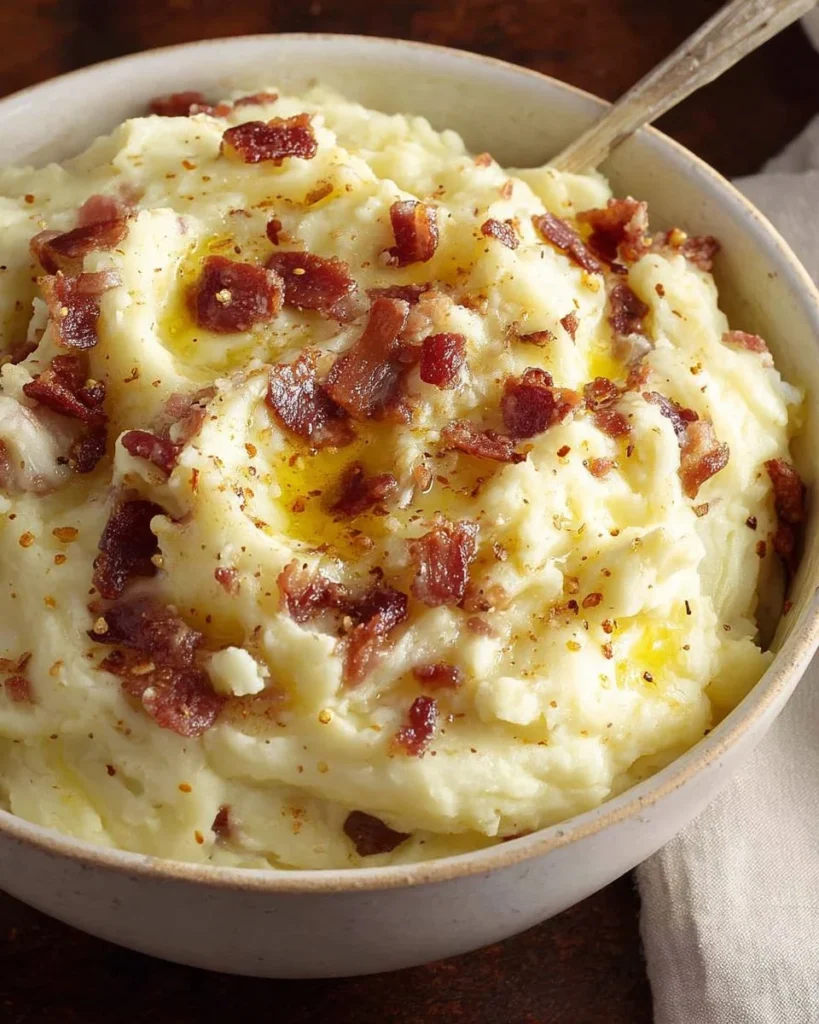
231 calories a serving, the lightest in this group, with two cloves of fresh garlic and a half cup of milk rather than cream. Four slices of bacon fold in at the end, which is a lot of flavour for the calorie count. View the full recipe — 40 minutes, serves 6, 231 calories
Creamy Mashed Potatoes
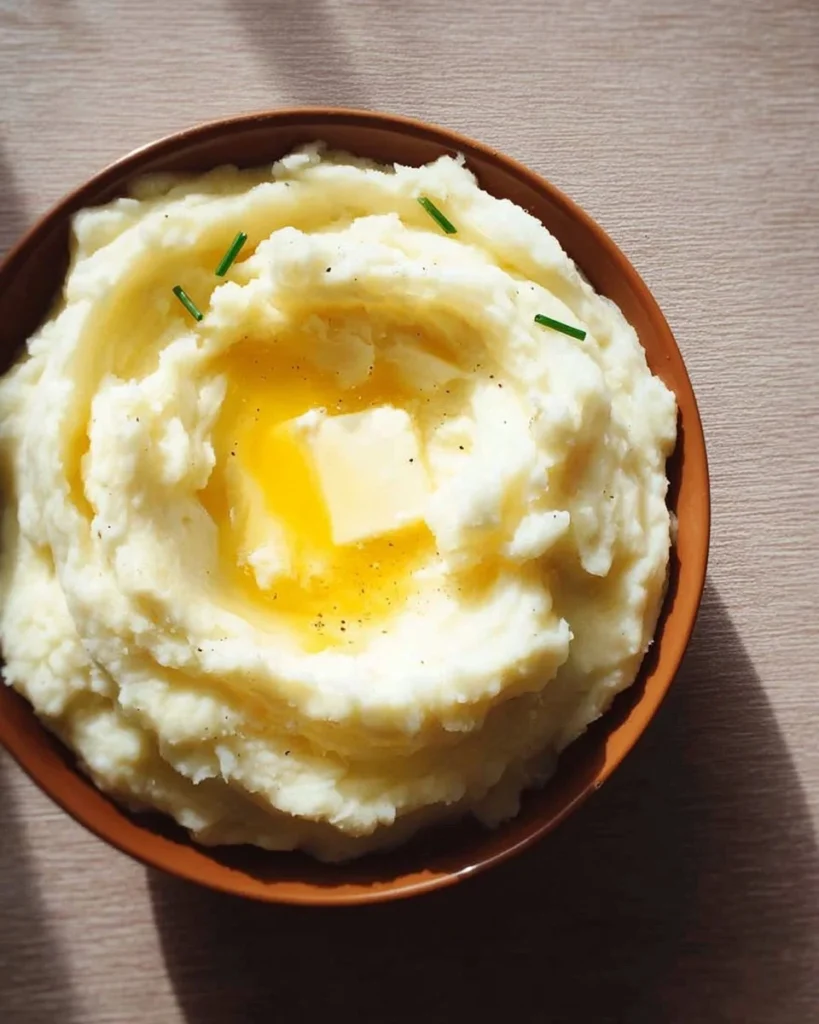
Thirty five minutes, the quickest in this group, with four tablespoons of butter and a half cup of whole milk into three pounds of potatoes. This is the baseline recipe and the proportions worth memorising. View the full recipe — 35 minutes, serves 6, 272 calories
Creamy Southern Mashed Potatoes
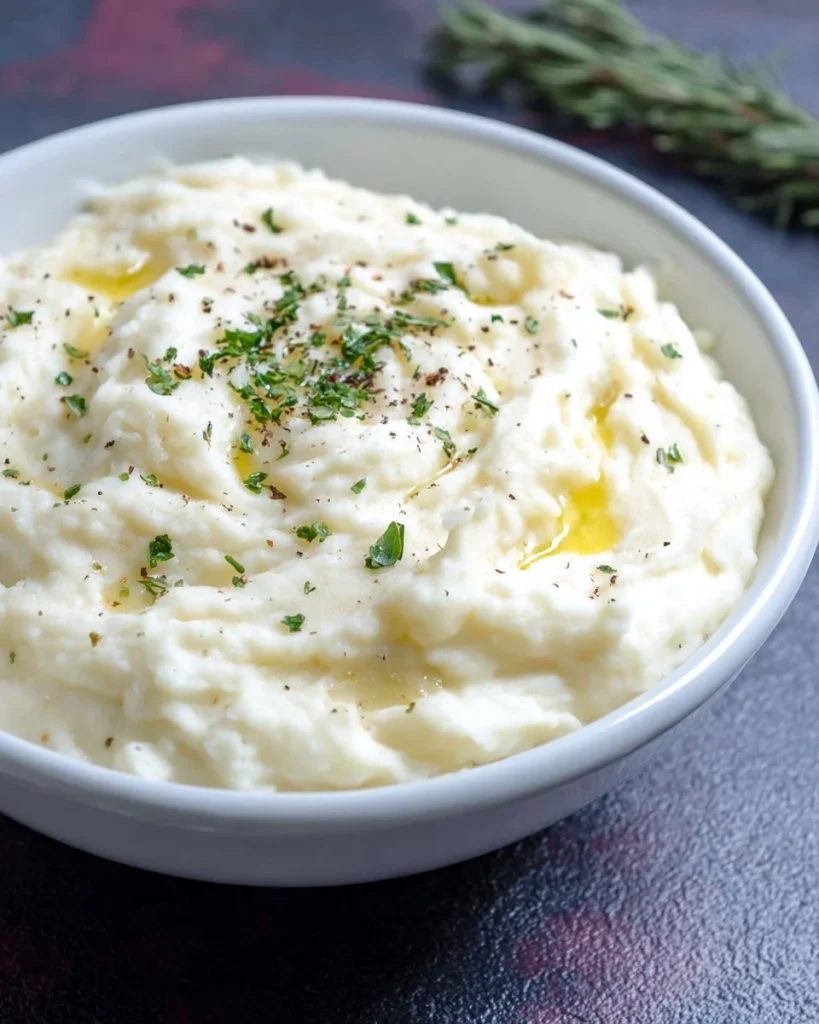
311 calories a serving, the heaviest in this group, from a half cup of heavy cream and a teaspoon of garlic powder on russets. Garlic powder disperses evenly through a mash in a way minced fresh garlic does not, which is why it is the Southern default. View the full recipe — 40 minutes, serves 6, 311 calories
Made From Cold Leftover Mash
Three that need mashed potatoes that have been in the refrigerator overnight. Cold mash is firm enough to shape; warm mash is not, and this is the one case where leftovers work better than fresh.
Cheesy Mashed Potato Puffs
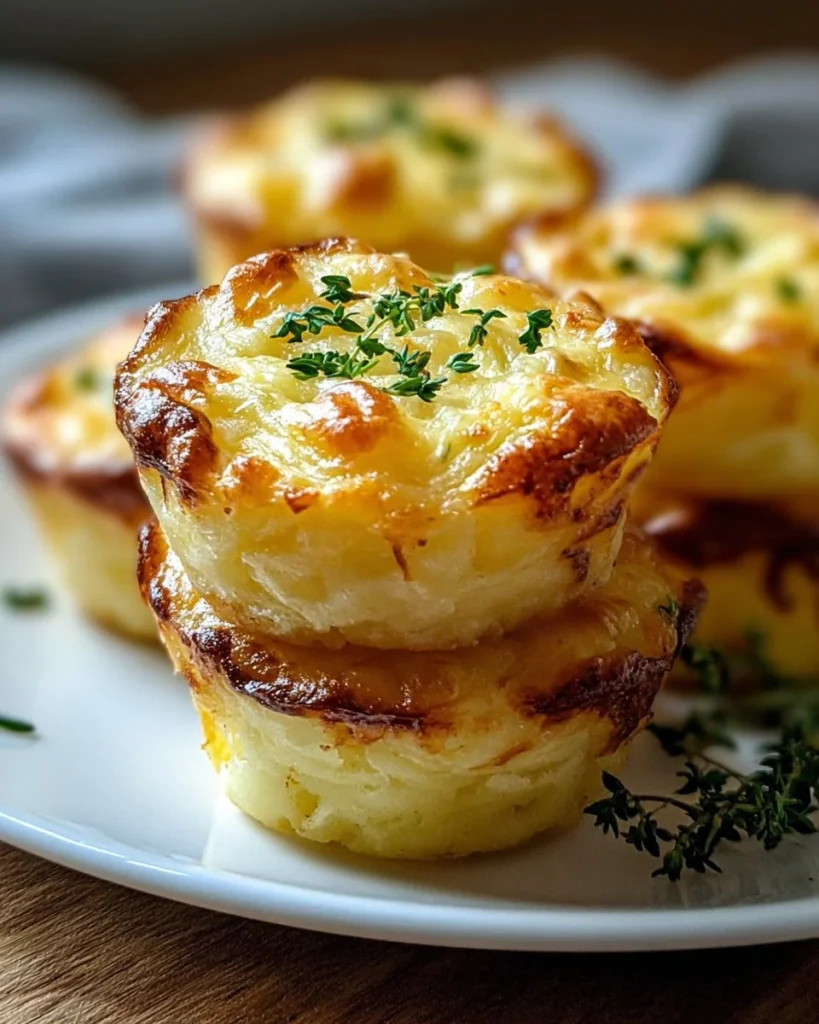
50 calories each, the lightest recipe on this page, across twenty four servings, the most portions here. Three cups of mash with an egg, cheddar and Parmesan baked in a muffin tin, and the egg is what sets them. View the full recipe — 35 minutes, serves 24, 50 calories
Beef Stuffed Mashed Potato Pancakes
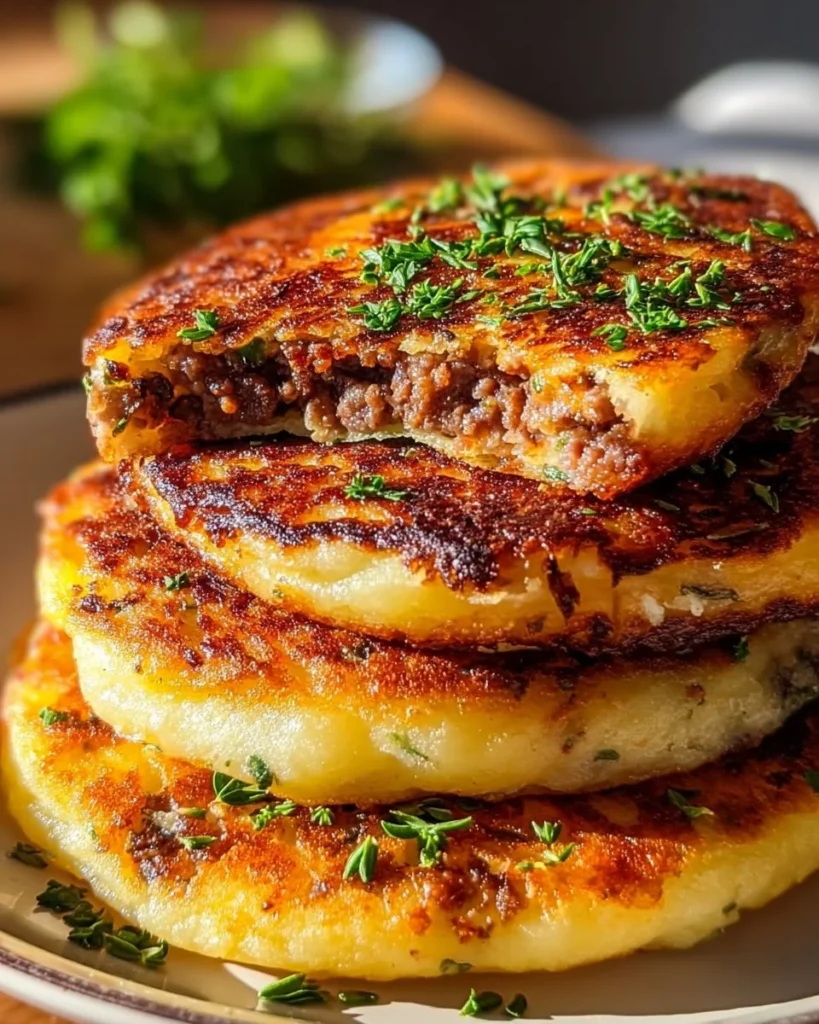
Twelve ingredients, the most in this group, over forty five minutes, the longest here. Two cups of cold mash wrapped around seasoned ground beef, bound with an egg and flour and shallow fried. View the full recipe — 45 minutes, serves 4, 358 calories
Cheesy Mashed Potato Bacon Cakes
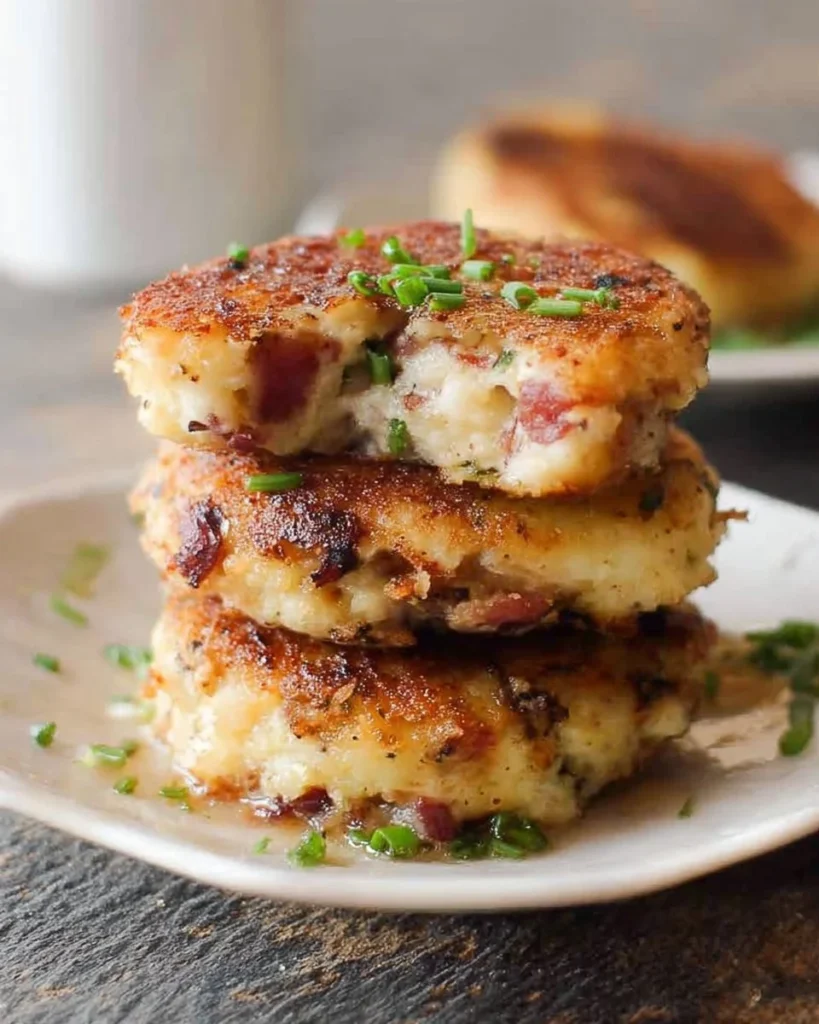
536 calories a serving, the heaviest in this group, with eight ounces of bacon, a cup of cheddar and two cups of panko. The panko crust is the whole point and it needs cold, firm mash to hold. View the full recipe — 35 minutes, serves 6, 536 calories
Mashed Potatoes as the Base of Dinner
Four where the mash is load bearing rather than a side. Three are gravy or sauce poured over, and one is baked under a crust of it.
Classic Shepherd’s Pie with Beef and Mashed Potatoes
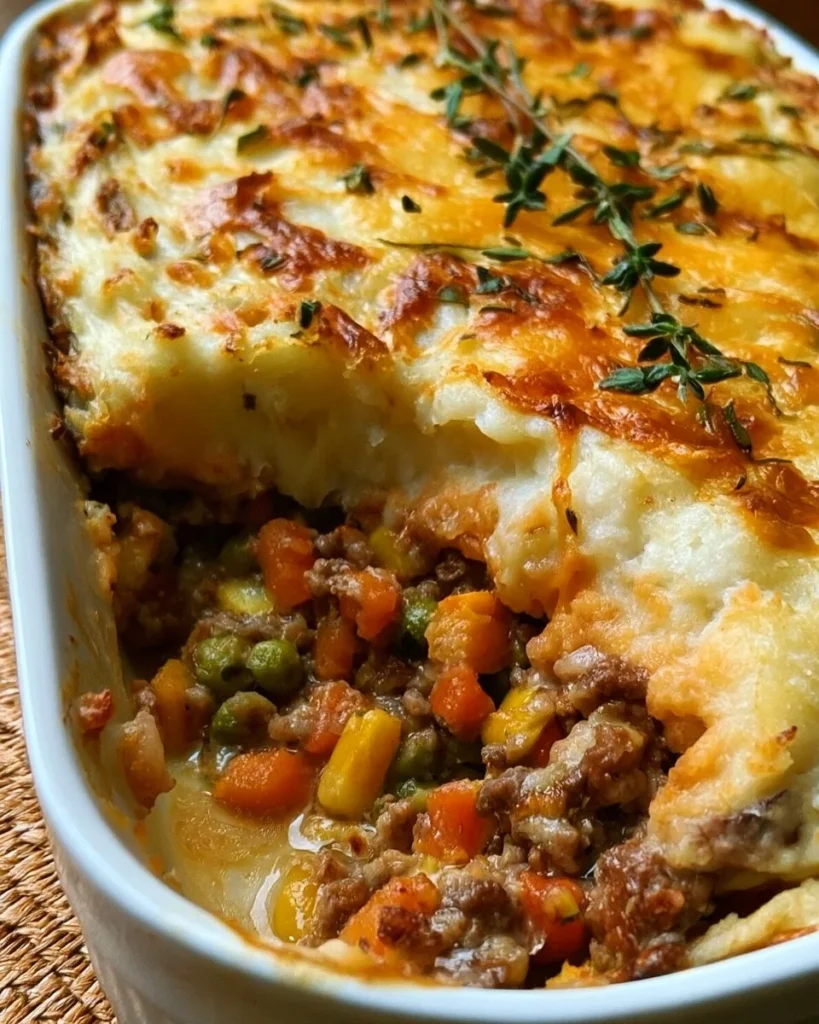
Twenty two ingredients, the longest list on this page, with two pounds of russets mashed with half and half and Parmesan over a beef and vegetable base. The Parmesan in the topping is not traditional and is what helps it brown. View the full recipe — 85 minutes, serves 6, 511 calories
Instant Pot Hot Beef Sandwich with Mashed Potatoes
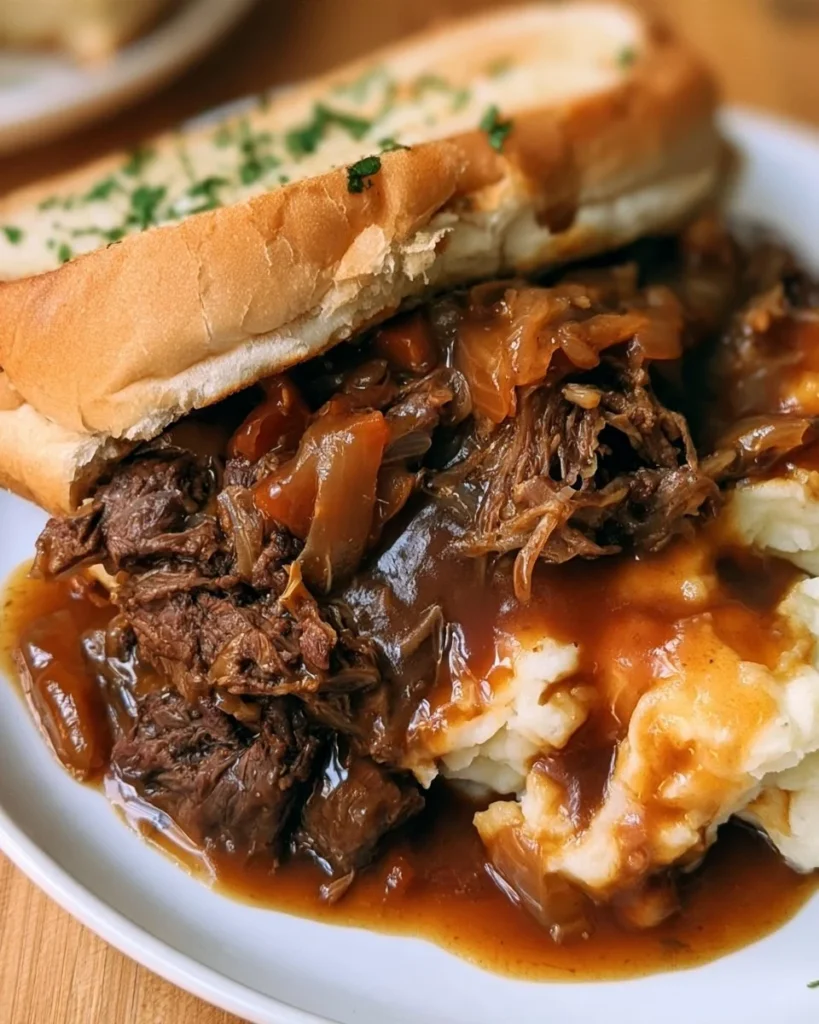
One hundred and ten minutes, the longest recipe on this page, with a two pound beef roast, mash and white bread all on one plate under gravy. A Midwest diner plate, and the bread underneath is not optional to the dish. View the full recipe — 110 minutes, serves 6, 598 calories
Creamy Garlic Shrimp Over Mashed Potatoes
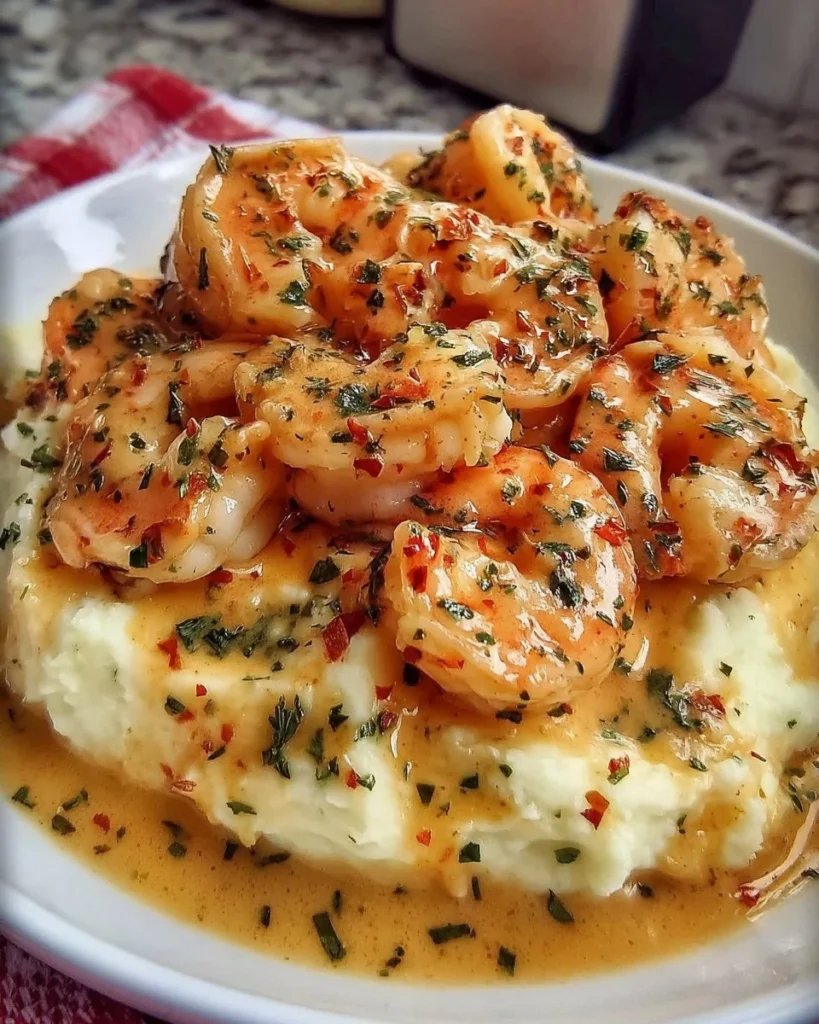
Seventeen ingredients in forty five minutes, the quickest in this group, with a pound of shrimp in a cream and Parmesan sauce over Yukon Gold mash. Shrimp need three minutes, so the mash gets made first. View the full recipe — 45 minutes, serves 4, 783 calories
Garlic Herb Chicken with Carrots and Mashed Potatoes

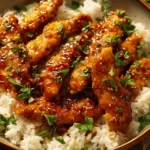
855 calories a serving, the heaviest recipe on this page, across two servings, the fewest portions here. Four chicken thighs, four carrots and a pound of baby gold potatoes, which is a complete plate rather than a side with something on it. View the full recipe — 55 minutes, serves 2, 855 calories
Before You Choose Your Recipe
Three things decide whether a mash is fluffy or gluey, and none of them is the recipe. First, the potato: russets are starchy and give the lightest, fluffiest mash, Yukon Golds are denser and more buttery, and waxy red potatoes make a mash that is closer to paste. Second, the tool. Never use a food processor or a blender. High speed shear ruptures the starch cells and releases a gel that turns the whole bowl into wallpaper paste within seconds, and there is no recovering it. A hand masher gives a rustic mash, a ricer or food mill gives the smoothest result, and a hand mixer on low is acceptable. Third, the temperature of what you add. Cold milk or cream hitting hot potatoes drops the temperature and makes them seize and go sticky, so warm the dairy first. Butter goes in before the liquid: fat coats the starch granules and limits how much water they can absorb, which is the actual mechanism behind a silky mash. And for the three leftover recipes here, the mash has to be cold and at least a day old, because warm mash will not hold a shape no matter what you bind it with.
Mashed Potato Questions, Answered
Why did my mashed potatoes turn gluey?
Almost certainly a food processor or a blender. Potato starch cells burst under high shear and release a sticky gel, and once that happens the texture cannot be fixed. Use a hand masher, a ricer or a hand mixer on low. Overworking even by hand will do it eventually, so stop as soon as the lumps are gone.
Which potatoes make the best mash?
Russets for the fluffiest result, because they are the starchiest and absorb butter and cream readily. Yukon Golds for a denser, naturally buttery mash that needs less added fat. Avoid waxy red potatoes, which hold too much water and give a gummy texture. The recipes here use russets and Yukon Golds and say which.
Should I add butter or milk first?
Butter first, and it matters. Fat coats the starch granules and limits how much liquid they take up, which keeps the mash silky rather than soupy. If you add the milk first the potatoes drink it, and then you need more butter to compensate.
Does the milk need to be warm?
Yes. Cold dairy poured into hot potatoes drops the temperature sharply and makes the starch seize, which gives a stiff, slightly sticky mash. Warm the milk or cream in the same pan you drained the potatoes from and it takes no extra effort.
Can I make mashed potatoes ahead?
Yes, and one recipe here is specifically built around it. They hold three to four days refrigerated, per USDA guidance for cooked potatoes, and reheat best with a splash of warm milk over low heat or in a covered dish in the oven. They stiffen considerably when cold, which is exactly what the three leftover recipes on this page exploit.
Why do the leftover recipes need cold mash?
Because warm mashed potato is too loose to shape and will slump or fall apart in the pan. Refrigerating it overnight lets the starch retrograde and firm up, which is what lets a cake, a puff or a stuffed pancake hold together with just an egg and a little flour. Fresh mash genuinely will not work for those three.
Can I freeze mashed potatoes?
Better than most people expect, if they are rich. A mash with plenty of butter and cream freezes for about a month and comes back acceptably, because the fat protects the starch. A lean mash made with milk alone freezes poorly and turns watery and grainy. Thaw in the refrigerator and reheat gently with extra butter.
More Potato Dishes and Sides to Try
The mash is one slot on the plate. These are the others.
- Potato Recipes — Every potato on the site.
- Side Dish Recipes — What else goes beside the roast.
- Gravy Recipes — What goes on top.
- Christmas Dinner Recipes — Where the mash gets its biggest night.
Browse all of our recipe collections.