Salmon is not hard to cook. It is hard to stop cooking, because the window between moist and chalky is a couple of minutes wide and it closes while you are looking for a plate. So these twenty five are grouped by method rather than by flavor, since the method is what decides how much margin you get.
An air fryer gives you the least room and the most speed. A skillet lets you watch the colour change move up the side of the fillet. A foil packet in the oven is the most forgiving thing here. Times and servings below come from the recipes themselves.
Air Fryer, Fifteen to Twenty Minutes
Hot air from every side at 400 degrees F, which is fast and unforgiving in the same breath. Cut into cubes rather than left as fillets, salmon cooks faster still, so the bites here run shorter than they look.
Air Fryer Salmon Filets

Garlic powder and paprika rubbed on, with an optional honey and Dijon brush at the end. Twelve ounces for two, eight to ten minutes at 400 degrees F. View the full recipe — 15 minutes, serves 2, 421 calories
Air Fryer Honey Garlic Salmon Bites

A pound of fillet cut into cubes, which gives the honey garlic glaze far more surface to cling to than a whole fillet would. The lightest air fryer entry here. View the full recipe — 15 minutes, serves 4, 352 calories
Miso Air Fryer Salmon Bites

White miso in the glaze, which brings salt and a savory depth that soy alone does not. A pound and a half of skinless fillet, cubed. View the full recipe — 18 minutes, serves 4, 421 calories
Brown Sugar Air Fryer Salmon

Brown sugar on top, which caramelizes in the dry heat rather than burning the way it would in a skillet. Two fillets, seven ingredients. View the full recipe — 19 minutes, serves 2, 395 calories
Air Fryer Soy Salmon Bites
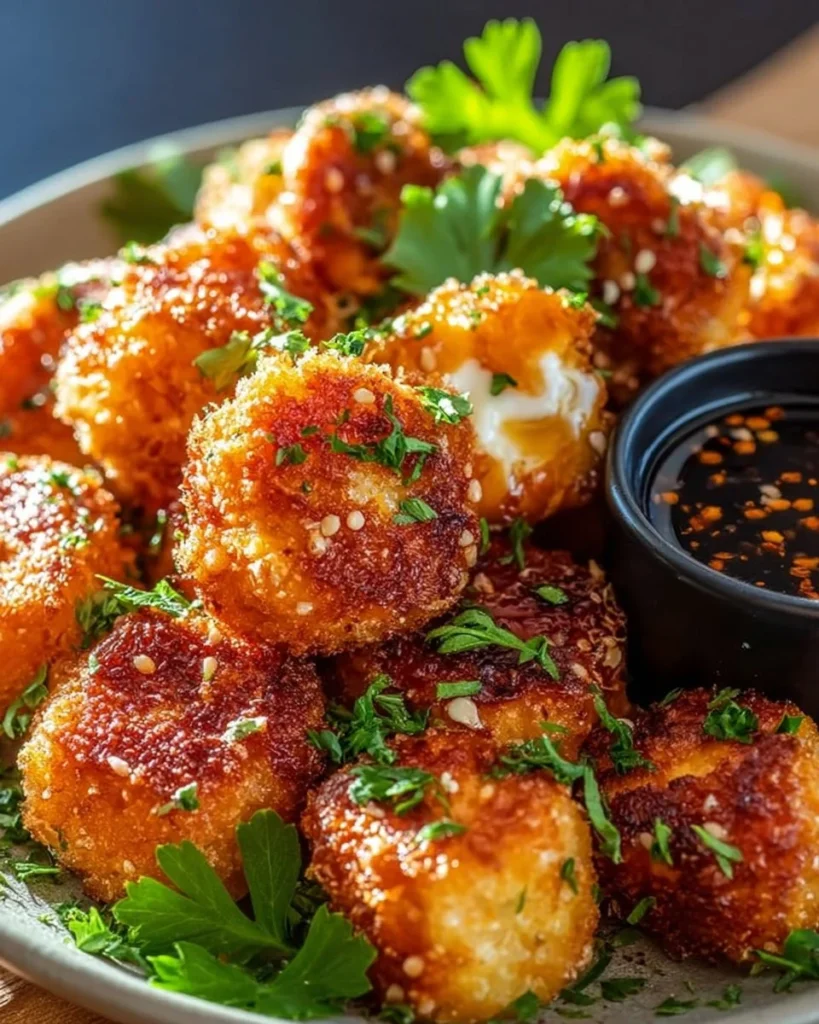
A pound and a half of skinless fillet in soy, which means no skin to worry about and no basket to scrape. Thirty five grams of protein a serving, level with the miso bites and the most of the air fryer group. View the full recipe — 20 minutes, serves 4, 440 calories
Skillet, Where You Can See What Is Happening
The one real advantage of a pan is that you can watch the opaque line creep up the side of the fillet and pull it when that line is two thirds of the way. Nothing else here gives you that.
Pan Seared Salmon with Garlic Butter and Capers
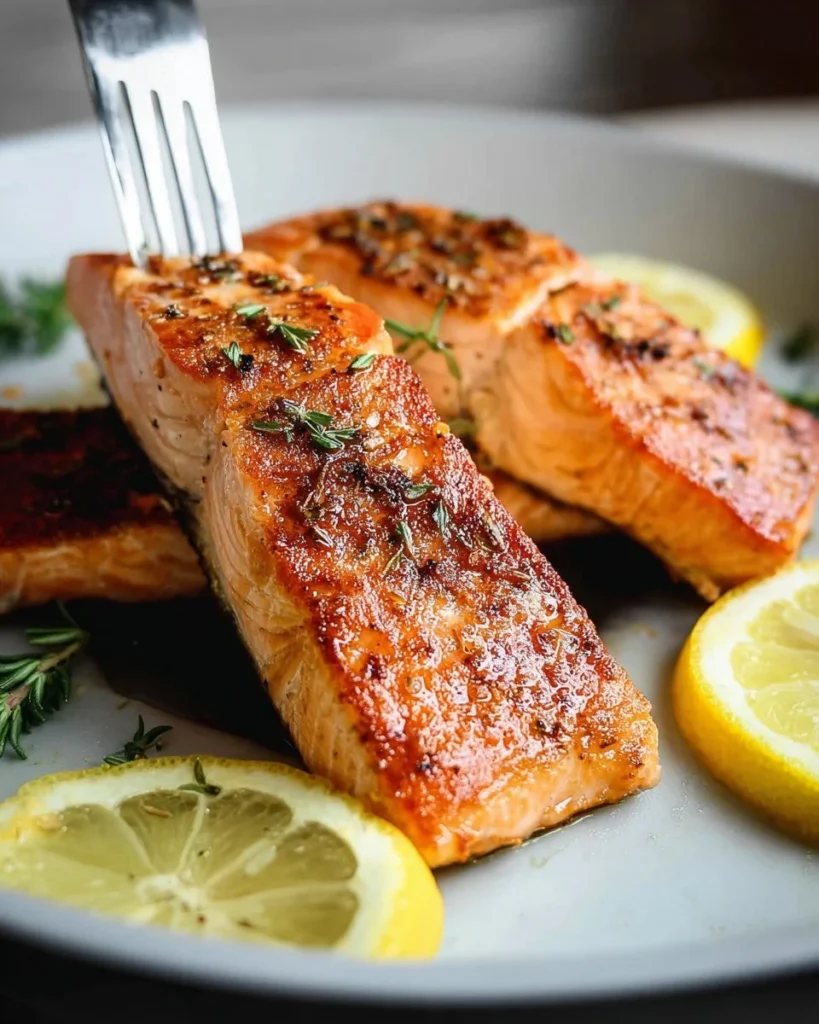
Center cut, skin on, seared in garlic butter. Skin on is the point: it holds the fillet together and gives you something to grip with the spatula. View the full recipe — 18 minutes, serves 2, 640 calories
Lemon Honey Glazed Salmon
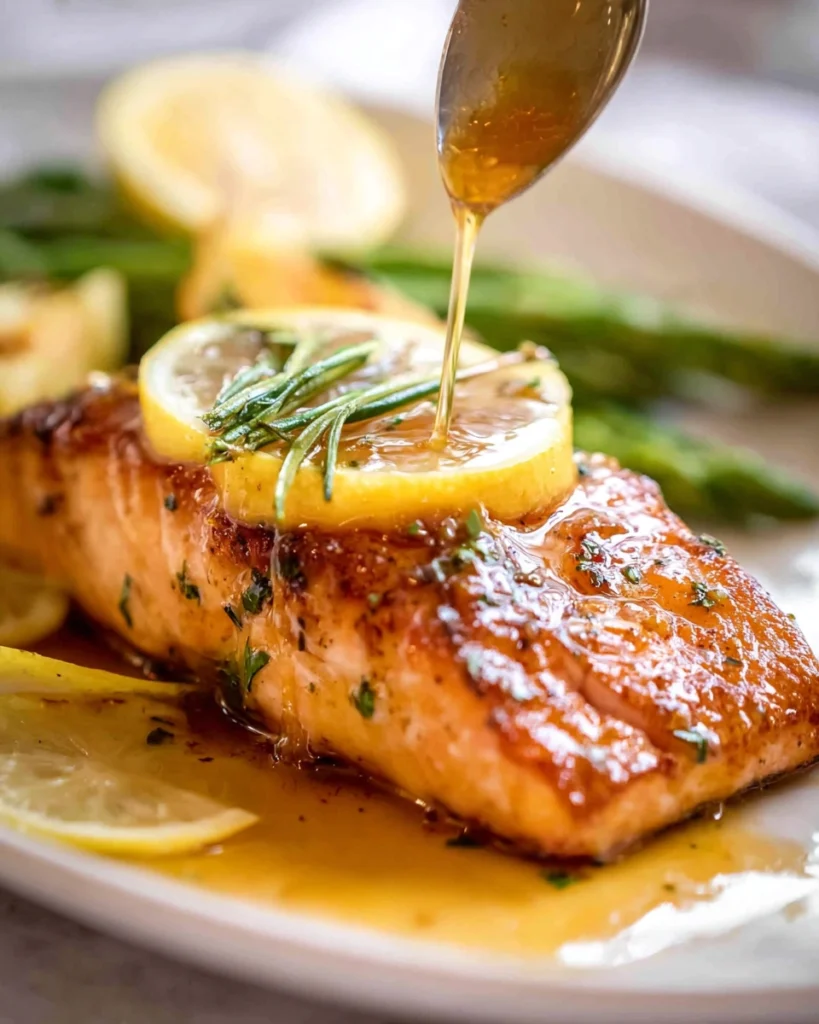
Fourteen ingredients, the longest list in this group, with the honey and lemon reduced in the pan after the fish comes out. That is why it is a glaze rather than a sauce. View the full recipe — 20 minutes, serves 4, 525 calories
Creamy Lemon Butter Salmon

Eight ingredients and a cream sauce built in the same pan the salmon left. Twenty two minutes, which is as quick as a cream sauce gets. View the full recipe — 22 minutes, serves 4, 515 calories
Cajun Honey Butter Salmon
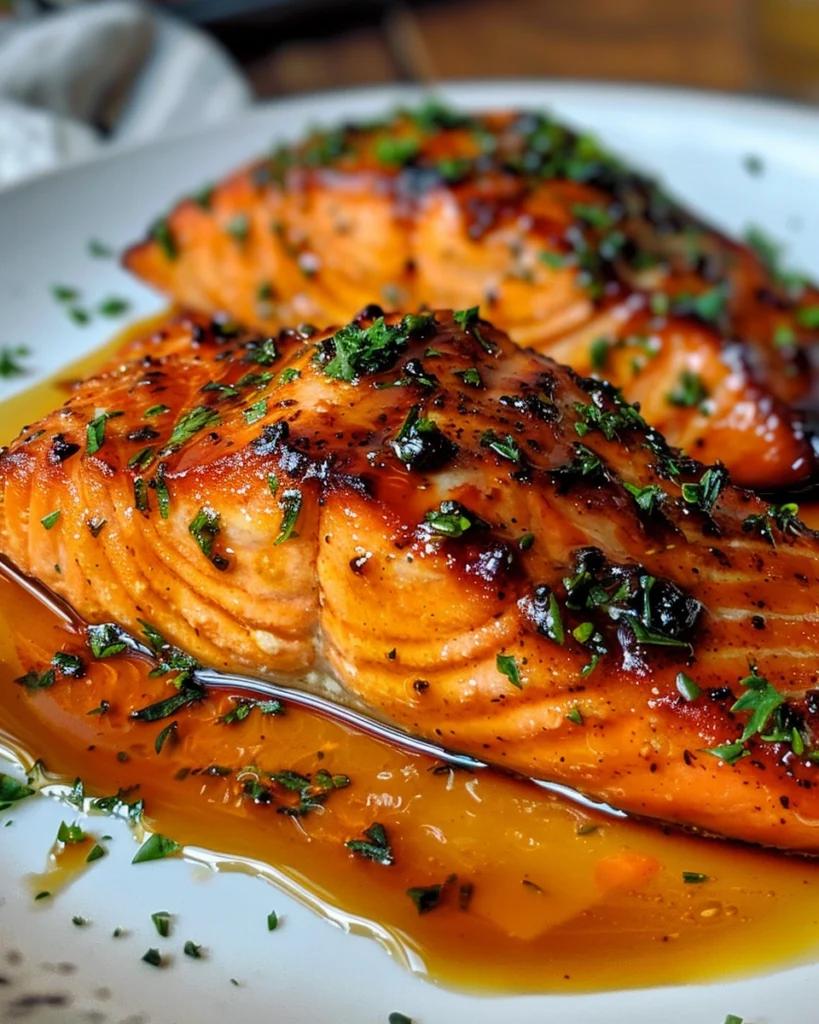
Cajun seasoning against honey butter, the hottest and the sweetest thing in the pan at once. The lightest of the skillet recipes here. View the full recipe — 25 minutes, serves 4, 373 calories
Garlic Butter Salmon with Spinach and Mushrooms
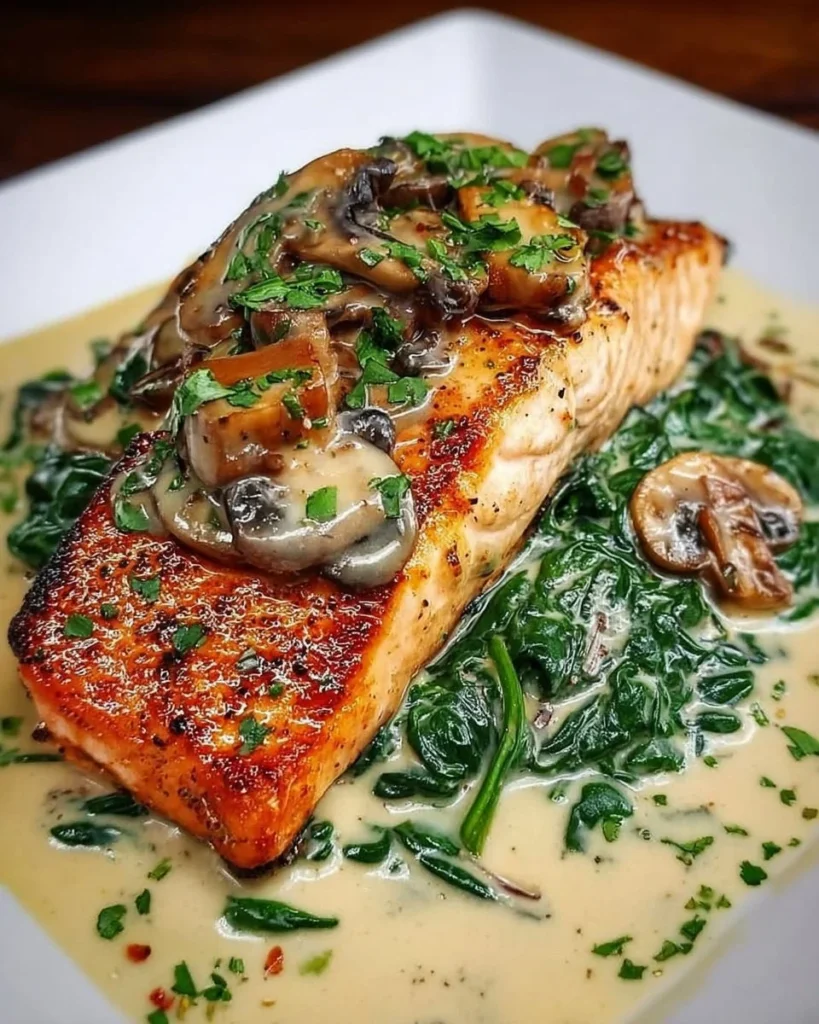
Mushrooms and spinach cooked down in the pan first, then the salmon goes back in. The vegetables take longer than the fish, which is why this one runs to thirty minutes. View the full recipe — 30 minutes, serves 4, 621 calories
Oven and Foil, the Most Forgiving Route
Indirect heat from all sides and no hot metal against the fish. Wrapped in foil it steams in its own moisture, which is why the two foil recipes here are the ones to pick if you have overcooked salmon before.
Butter Baked Salmon Fillets

Four fillets, seven ingredients, butter and the oven. There is no technique to get wrong here, which is the reason to start with it. View the full recipe — 20 minutes, serves 4, 460 calories
Oven Roasted Salmon
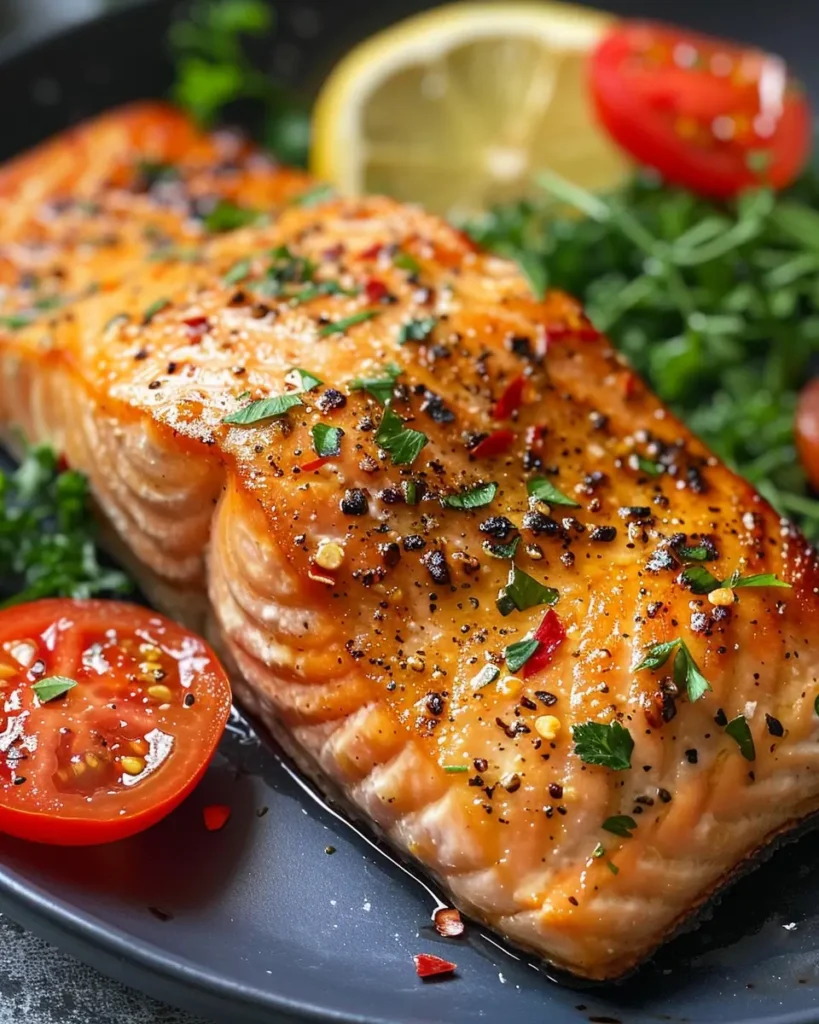
Four hundred degrees F rather than the gentler 375, which gives you a browned top in twenty five minutes. Eight ingredients. View the full recipe — 25 minutes, serves 4, 422 calories
Foil Baked Salmon Asparagus
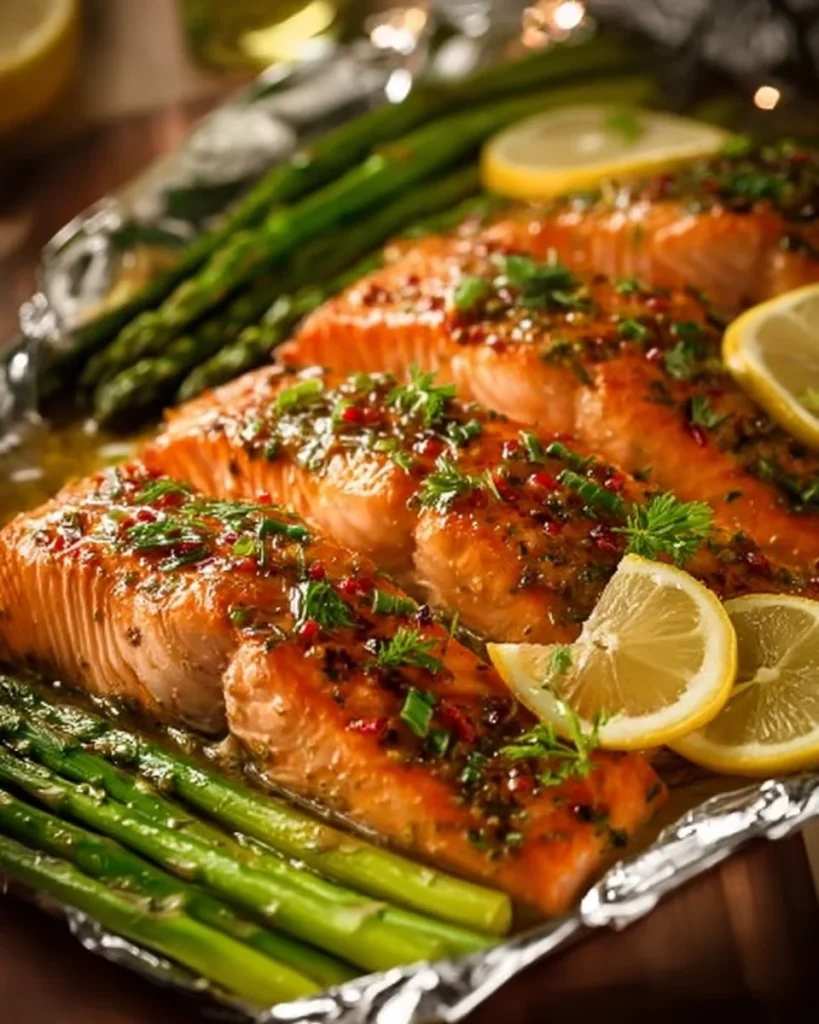
Salmon and asparagus sealed in foil together, so the fish steams rather than roasts and the asparagus cooks in the same packet. Dinner and a vegetable with one thing to wash. View the full recipe — 30 minutes, serves 4, 512 calories
Maple Dijon Baked Salmon in Foil
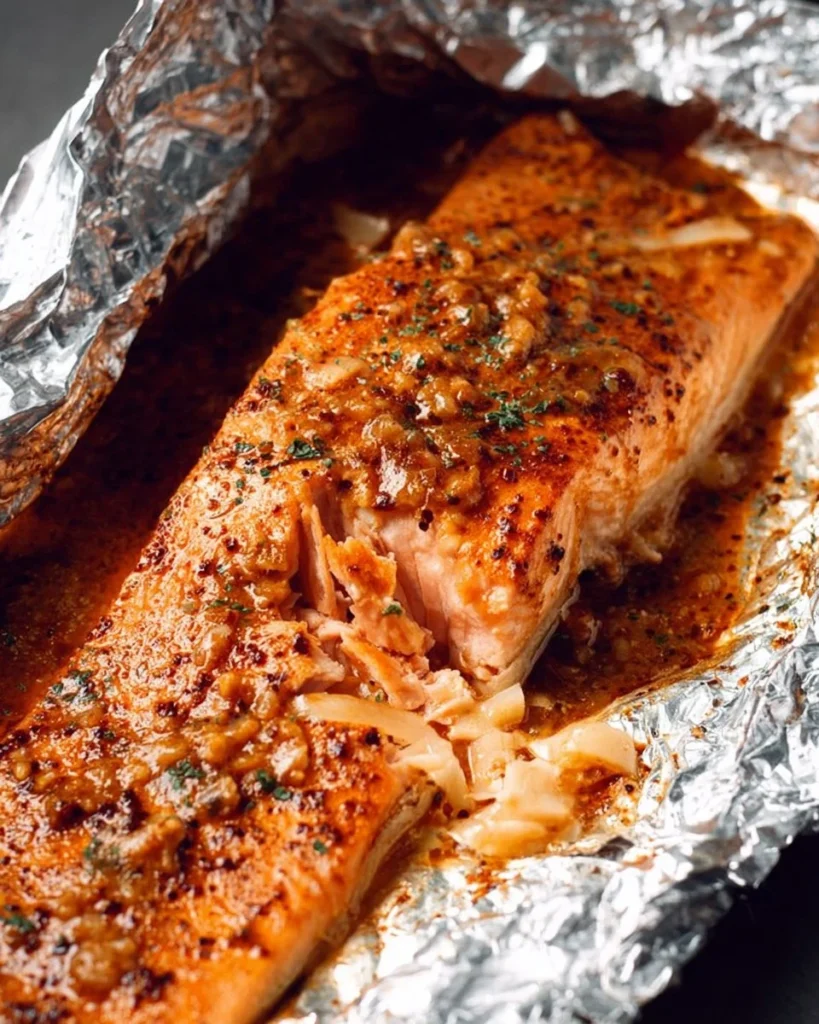
A pound and a half as one piece in foil with maple and Dijon, which is easier to serve to four than four separate fillets. Thirty five minutes because it is one thick piece rather than four thin ones. View the full recipe — 35 minutes, serves 4, 450 calories
Patties, From a Can or From Leftovers
Canned salmon is a different ingredient, not a cheaper version of the same one. It is already cooked and already salted, so the protein per serving swings widely depending on how much filler goes in with it.
Canned Salmon Patties
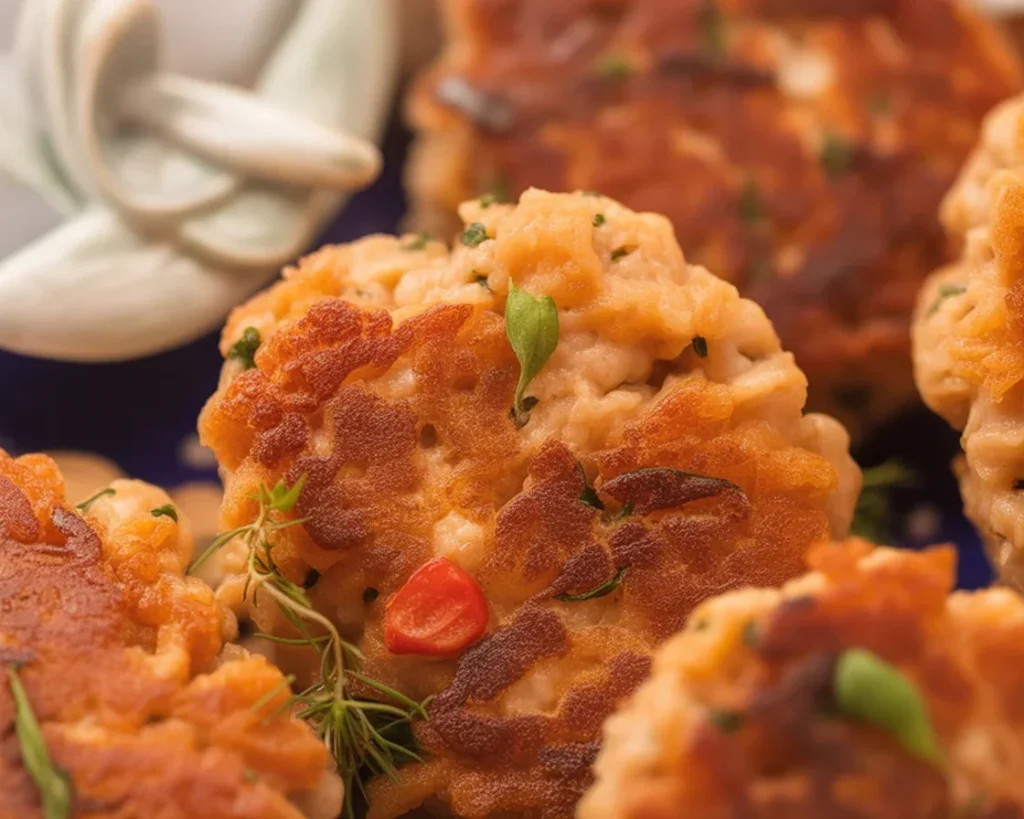
Two cans, eight ingredients, twenty minutes in a pan. Forty six grams of protein a serving, because there is very little filler holding it together, which puts it just behind the smoked fillets. View the full recipe — 20 minutes, serves 4, 525 calories
Pan Fried Salmon Patties

One can of pink salmon stretched across four servings, which is why it comes in at 262 calories and twenty one grams of protein. It is the least fish per serving of anything here, roughly an ounce and a quarter against six for a fillet recipe. View the full recipe — 25 minutes, serves 4, 262 calories
Baked Salmon Patties

This one starts with cooked fresh salmon rather than canned, so it is the recipe for the fillet you have left over from any of the groups above. Baked rather than fried, twelve ingredients. View the full recipe — 35 minutes, serves 4, 438 calories
On the Grill
Grilling adds smoke and a risk the other methods do not have, which is salmon welding itself to the grate. Both of these run longer than the indoor recipes because the grill has to come up to heat first.
Glazed Grilled Salmon
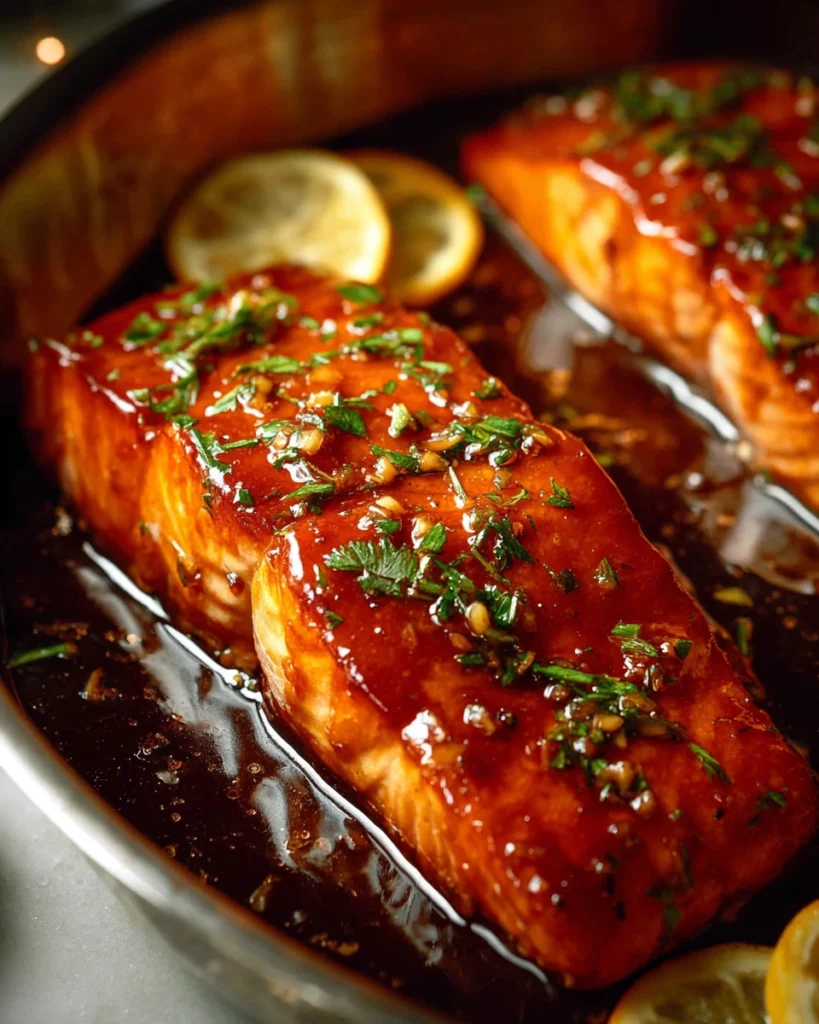
Twenty four ounces of fillet with a glaze brushed on at the end rather than the start, which is the only way to keep sugar off a hot grate. Seven ingredients. View the full recipe — 42 minutes, serves 4, 465 calories
Grilled Salmon with Avocado Salsa
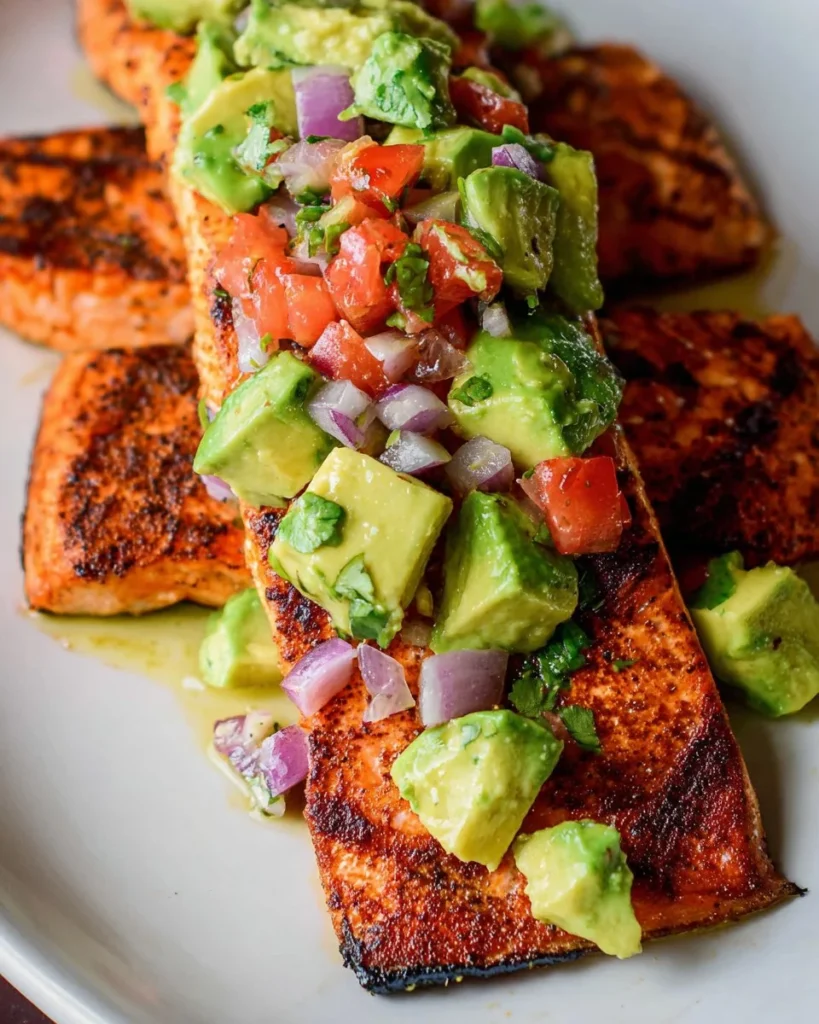
Two pounds of fillet with a raw avocado salsa spooned over after, so nothing sweet ever touches the fire. Forty seven grams of protein a serving. View the full recipe — 48 minutes, serves 4, 583 calories
Cured and Smoked, Hours Rather Than Minutes
A different activity from everything above. The fish is cured in salt first, which draws out water and firms the flesh, and then either smoked warm or left cold. Nothing here is a weeknight dinner.
Dill Lemon Smoked Salmon

Two pounds of wild caught fillet cured with dill and lemon, then smoked at 200 degrees F. Seven hours in total and most of that is the cure. View the full recipe — 7 hours, serves 6, 272 calories
Low and Slow Smoked Salmon
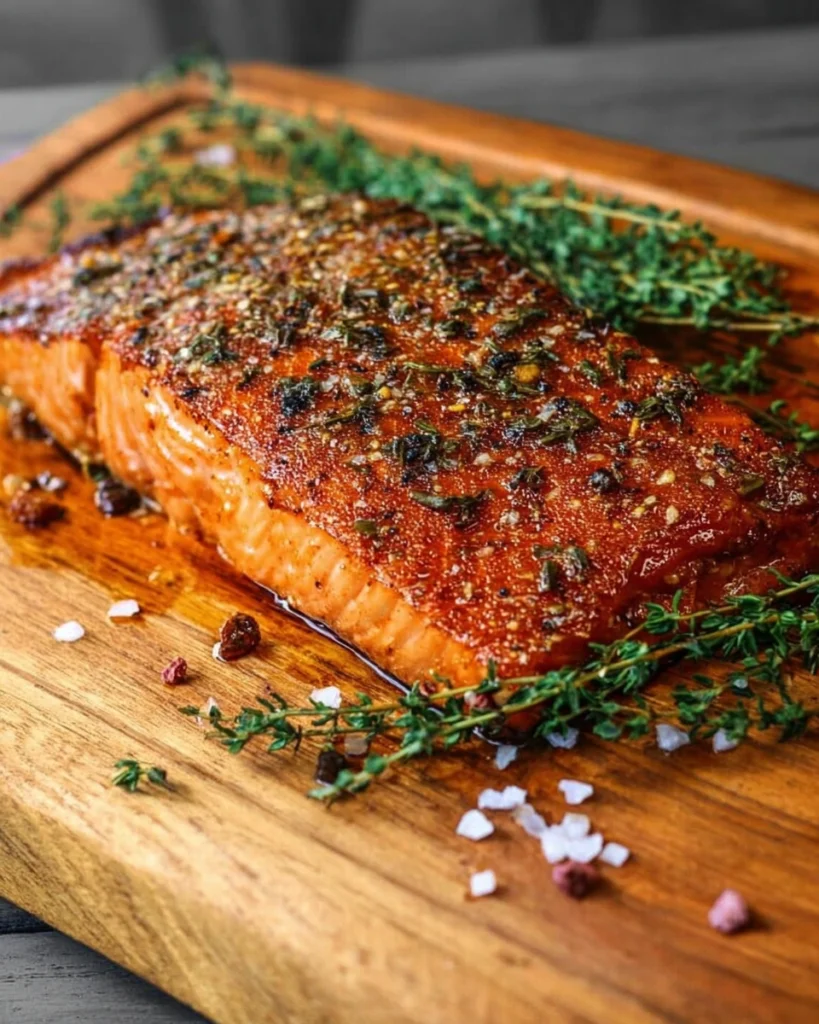
Two pounds held at 200 degrees F for a long stretch, which is what gives you fifty two grams of protein a serving in a dense, sliceable piece. Twelve hours. View the full recipe — 12 hours, serves 4, 440 calories
Dry Cured Cold Smoked Salmon

Five ingredients and forty four hours, almost none of it work. This is lox rather than cooked fish, and it never goes above room temperature. View the full recipe — 44 hours, serves 6, 272 calories
Not a Fillet on a Plate
Three that use salmon without putting a piece of it in the middle of the plate, including one that involves no cooking at all.
Creamy Smoked Salmon Dip with Dill
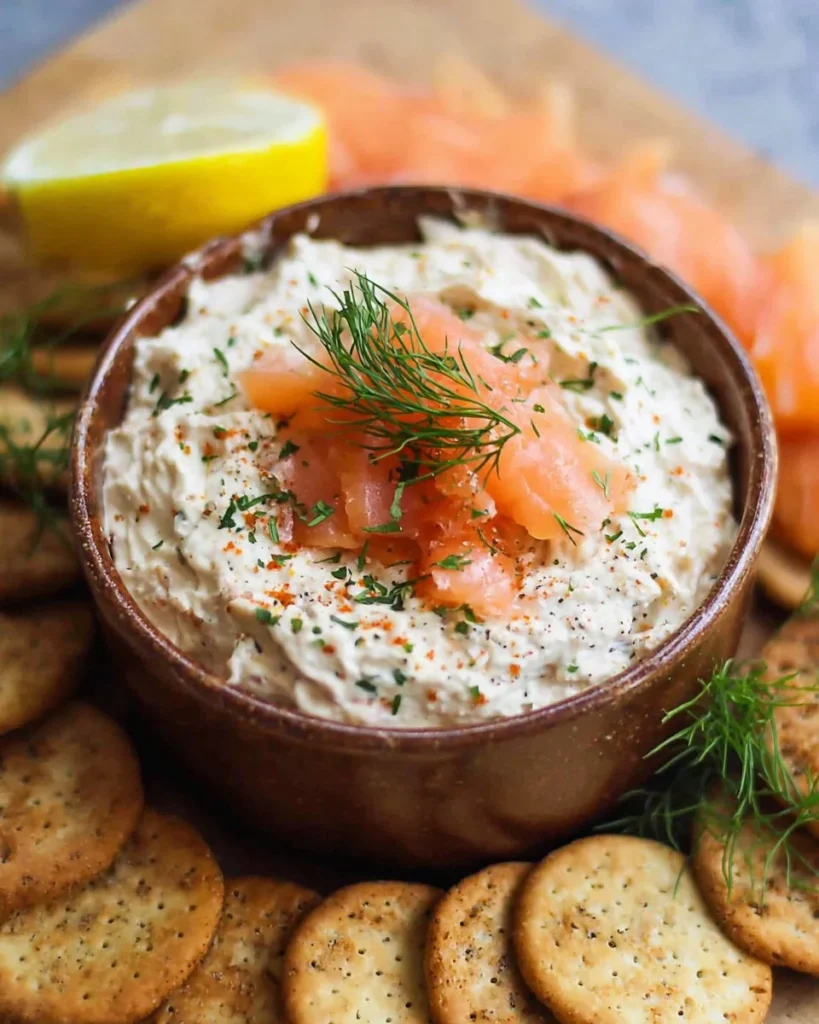
Seven ounces of smoked salmon folded into a dip, ten minutes, no heat involved. Eight servings, and the only recipe on this page you can make without turning anything on. View the full recipe — 10 minutes, serves 8, 199 calories
One Skillet Salmon with Lemon Orzo
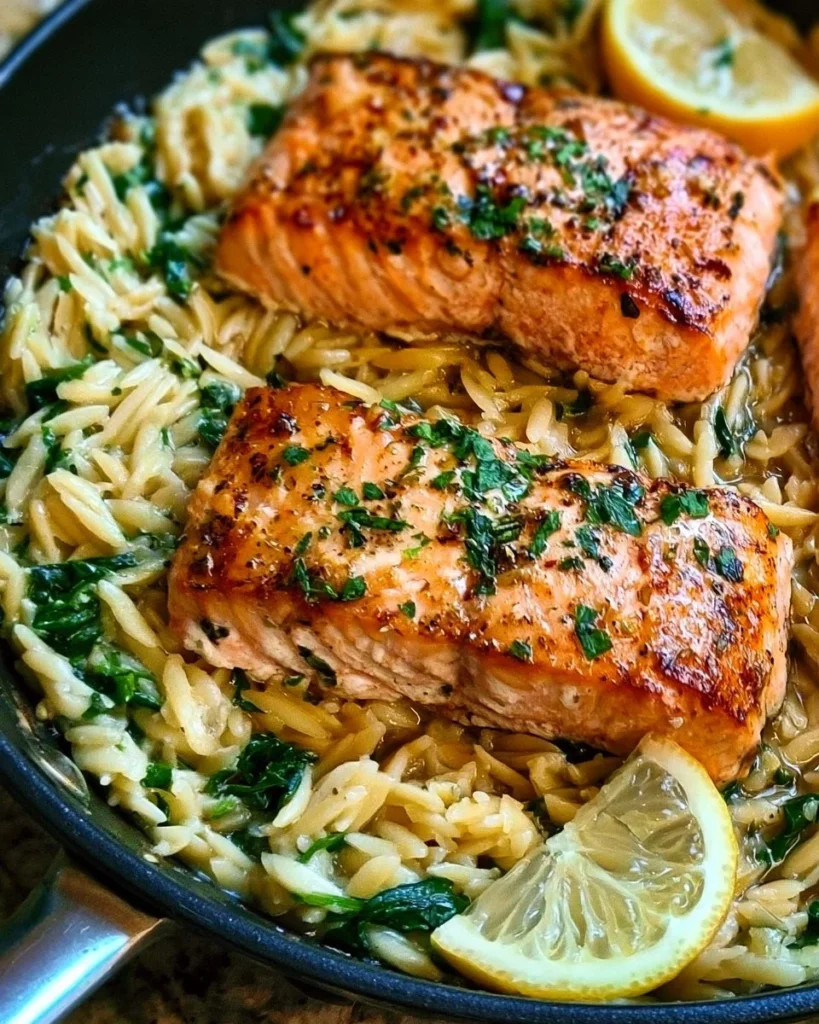
Sixteen ingredients, with the orzo cooked in the same pan so it picks up what the salmon left behind. Forty five grams of protein a serving. View the full recipe — 40 minutes, serves 4, 583 calories
Creamy Garlic Seafood Pasta with Salmon and Shrimp

Salmon and shrimp seared separately, then a cream sauce built from scratch in the same pan with garlic and parmesan rather than poured from a jar. Thirteen ingredients. View the full recipe — 40 minutes, serves 4, 698 calories
Before You Choose Your Recipe
Salmon is done, by USDA guidance, at an internal temperature of 145 degrees F, and twenty one of the twenty five recipes on this page say so. What the recipes cannot tell you is that the fish keeps cooking after it leaves the heat: a thick fillet carries over roughly five degrees while it rests, so pulling it at 145 and resting it means serving it closer to 150. Many cooks and most restaurant kitchens take salmon off at 125 to 130 degrees F for a medium centre, which is deliberately below the USDA number and is a judgment to make with fresh fish you trust rather than one we will make for you. Either way, the useful habit is an instant read thermometer in the thickest part, because the two visual cues people rely on both arrive late. By the time salmon flakes easily with a fork it is already past medium, and by the time white albumin beads up on the surface it has squeezed out moisture it will not get back. If you have no thermometer, watch the side of the fillet instead: the opaque pink creeps upward from the bottom as it cooks, and the moment to stop is when that line is about two thirds of the way up, not when it reaches the top.
Salmon Questions, Answered
What is the quickest salmon recipe here?
The air fryer fillets and the honey garlic bites, both fifteen minutes. Cutting the fillet into cubes rather than leaving it whole is what makes the bites that fast, since the heat has far less distance to travel.
Should I cook salmon with the skin on or off?
Skin on is easier. It holds the fillet together, it gives you something to lift with, and it protects the flesh from the pan, which is why the pan seared recipe here calls for it specifically. Skinless is simpler for bites and patties where the piece gets cut up anyway.
Do I need to flip salmon?
In a skillet, yes, once, and skin side first. In an air fryer or an oven, no. The heat is already reaching every side, and turning it is the most common way a fillet breaks apart.
Is canned salmon worth using?
For patties, yes. It is cooked and salted already, so it behaves like a different ingredient rather than a substitute. The protein swing is worth knowing about: two cans with little filler gives forty six grams a serving, while one can stretched across four servings gives twenty one.
How do I stop salmon sticking to the grill?
Heat the grate fully before the fish goes near it, oil the fish rather than the grate, and leave it alone until it releases on its own. Brush any glaze on at the end rather than the start, because sugar on a hot grate burns and then grips.
Can I use frozen salmon?
Yes, thawed first, and then dried thoroughly. Frozen salmon carries surface water and ice crystals, and a wet fillet steams instead of browning, which is why every recipe here starts by patting the fish dry.
How long does cooked salmon keep?
Three to four days refrigerated, and it is better cold than reheated, since a second round of heat takes it past done. The baked patties on this page exist for exactly that leftover fillet.
More Salmon and Seafood to Try
Five more salmon recipes that did not fit the groups above, plus the collections these sit inside.
- Caprese Stuffed Salmon — mozzarella and tomato inside the fillet, 55 minutes
- Shrimp Stuffed Salmon — sixty six grams of protein a serving
- Salmon Teriyaki Bowl — air fried, then built into a rice bowl
- Mediterranean Salmon Patties — the lightest patty here, 194 calories
- Smoked Salmon Avocado Salad — fifteen minutes, nothing cooked
- Shrimp Recipes — twenty five, most of them in 30 minutes
- High-Protein Dinners — 40 grams a serving, verified line by line
- Low Sodium Dinners — where several of these fillets also appear
- Air Fryer Recipes — beyond the salmon, from zucchini to tenderloin
- Fish Recipes — cod, tilapia, flounder and mahi mahi
Browse all of our recipe collections.