Most cookie recipes are the same six ingredients in slightly different proportions. What separates them is technique — melted butter against creamed, chilled dough against straight to the oven, cocoa against chocolate chunks — and that is what decides whether you get chewy, cakey, or crisp.
These twenty-five are grouped by what they taste like rather than by difficulty. The fastest is 20 minutes with no oven at all; the longest is 37.
Chocolate Chip, Five Ways
The same cookie taken in five directions. Chunks rather than chips melt into pools, browned butter adds a nutty depth, and flaky salt on top changes the whole thing.
Homemade Cookies With Chocolate Chips

Ten ingredients, two and a quarter cups of flour, both baking soda and baking powder. This is the baseline — the one to make first and judge the others against. View the full recipe — 27 minutes, makes 24
Chewy Chocolate Chunk Cookies

Nine ingredients with three-quarters of a cup each of granulated and light brown sugar. Chunks rather than chips is the whole difference: they melt into pools instead of holding their shape. View the full recipe — 27 minutes, makes 24
Brown Butter Chocolate Cookies

Nine ingredients, and the extra ten minutes over the others is browning the butter first. It is the single technique that most changes how a chocolate chip cookie tastes, and it costs one pan. View the full recipe — 37 minutes, makes 24
Bittersweet Chocolate Chunk Cookies
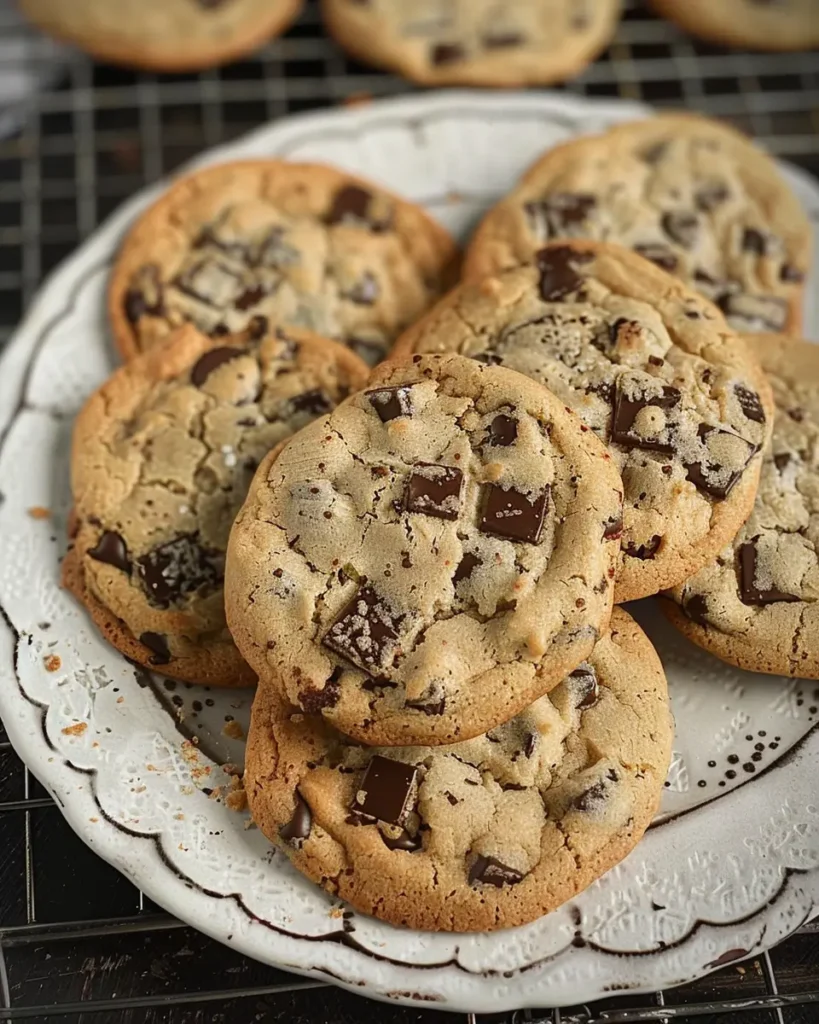
Two cups of flour, a cup of butter, a cup of brown sugar — nine ingredients and bittersweet rather than semisweet chocolate. More brown sugar than white, which is why these come out darker and chewier. View the full recipe — 30 minutes, makes 24
Flaky Salt Chocolate Cookies

Three cups of flour, the most of any cookie here, with kosher salt in the dough and flaky salt on top. Eleven ingredients, and the salt is doing real work rather than decoration. View the full recipe — 32 minutes, makes 24
Peanut Butter
Four versions, and the shortest one has three ingredients. Peanut butter cookies need less flour than any other kind because the fat and protein in the peanut butter does the structural work.
Crisscross Peanut Butter Cookies

A cup of peanut butter, a cup of sugar, one egg, and five more — 21 minutes, the fastest baked cookie on this page. The fork marks are not decoration: the dough does not spread on its own, so you flatten it. View the full recipe — 21 minutes, makes 24
Thick and Chewy Peanut Butter Cookies

Eleven ingredients with both baking soda and baking powder, which is what makes these thick where the crisscross version is flat. A full cup of flour rather than none. View the full recipe — 27 minutes, makes 24
Hazelnut Spread Peanut Butter Cookies

Peanut butter and chocolate hazelnut spread in the same dough, ten ingredients with three kinds of sugar. The richest cookie in this group by some distance. View the full recipe — 27 minutes, makes 24
Peanut Butter Oat Date Cookies

Three ingredients: dates, quick oats, natural peanut butter. No flour, no added sugar, no egg — the dates do the sweetening and the binding at once. View the full recipe — 32 minutes, makes 12
Deep Chocolate
Cocoa powder rather than chocolate chips, which gives a darker and less sweet cookie. All three are closer to a brownie than to a chocolate chip cookie.
Double Chocolate Cocoa Cookies

Three-quarters of a cup of cocoa powder in the dough plus chocolate on top of that. Ten ingredients, and this is the one for people who find ordinary chocolate chip cookies too sweet. View the full recipe — 27 minutes, makes 24
Chewy Cocoa Cookies

A cup each of granulated and brown sugar against a full cup of butter, ten ingredients. Equal sugars gives you the chew; more brown would make them softer still. View the full recipe — 27 minutes, makes 24
Fudgy Brownie Cookies
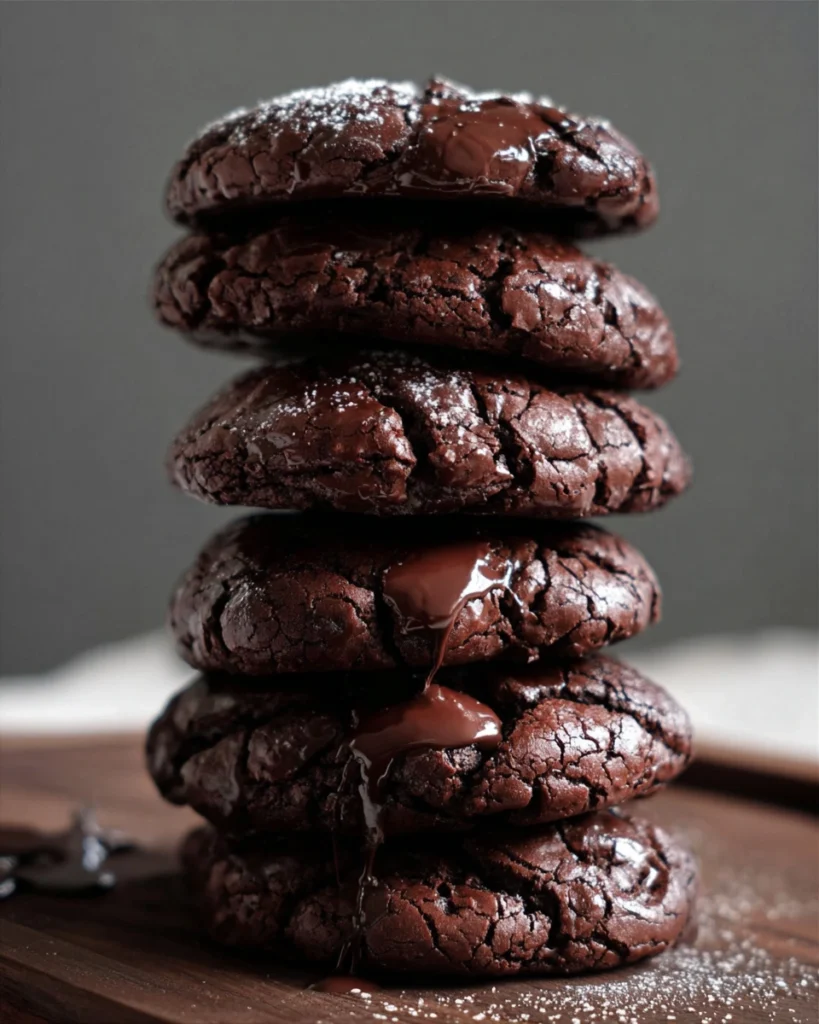
Built on a cup of melted semisweet chocolate chips rather than cocoa powder, twelve ingredients. Melted chocolate rather than powder is why these come out glossy and crackled on top. View the full recipe — 37 minutes, makes 18
Oatmeal
Oats absorb moisture as they bake, which is why oatmeal cookies stay soft for days longer than a plain chocolate chip cookie does.
Oatmeal Cinnamon Chocolate Cookies

Eleven ingredients, a full cup of butter, and three-quarters of a cup each of brown and granulated sugar. Cinnamon with chocolate is an underrated pairing in a cookie. View the full recipe — 25 minutes, makes 24
Butterscotch Oatmeal Cookies

Ten ingredients and it makes 36 — the biggest yield on this page. Butterscotch chips instead of chocolate, which suits the oats better than chocolate does. View the full recipe — 27 minutes, makes 36
Maple Oatmeal Chocolate Chip Cookies with Brown Sugar
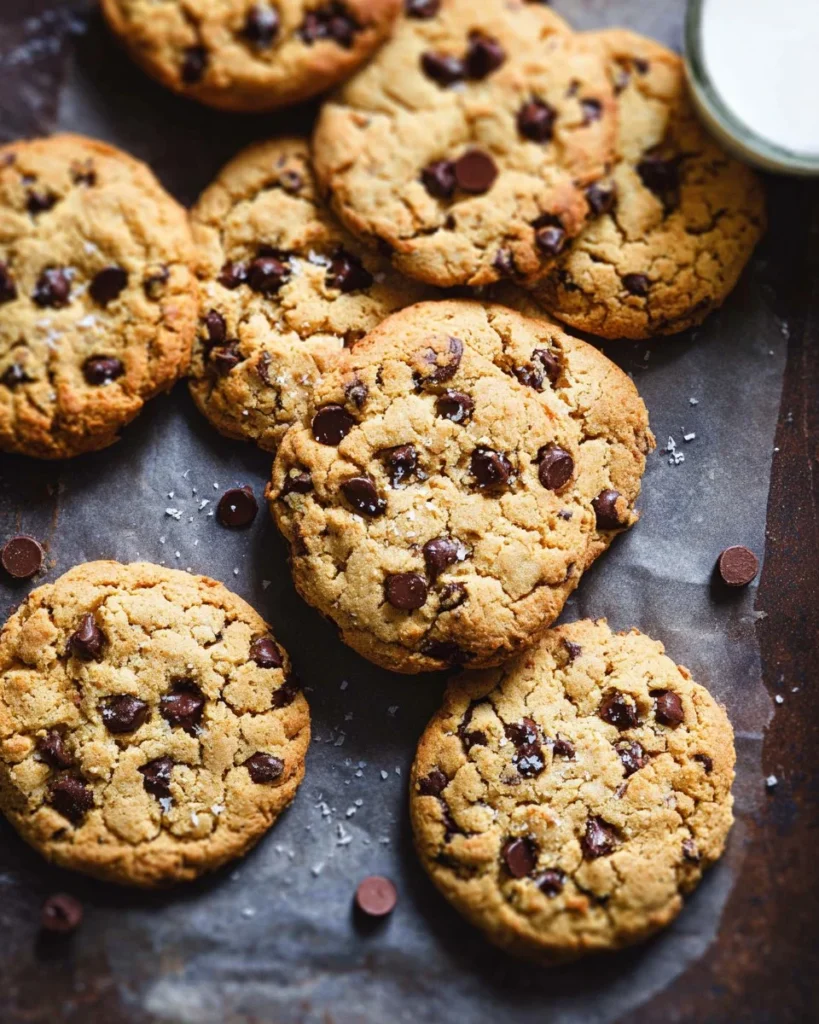
Twelve ingredients including a packet of instant maple and brown sugar oatmeal, which is a genuinely clever shortcut — it brings the oats, the sugar, and the maple in one measure. View the full recipe — 26 minutes, makes 24
Soft, Cakey, and Made With Cream Cheese
Cream cheese and ricotta both add moisture and acid, which gives a softer, more tender cookie than butter alone. None of these four go crisp.
Cream Cheese Sugar Cookies

Eight ingredients: a cup of butter, 8 ounces of cream cheese, a cup of sugar. The cream cheese is what keeps them soft for days rather than hours. View the full recipe — 27 minutes, makes 24
Soft Strawberry Cheesecake Cookies
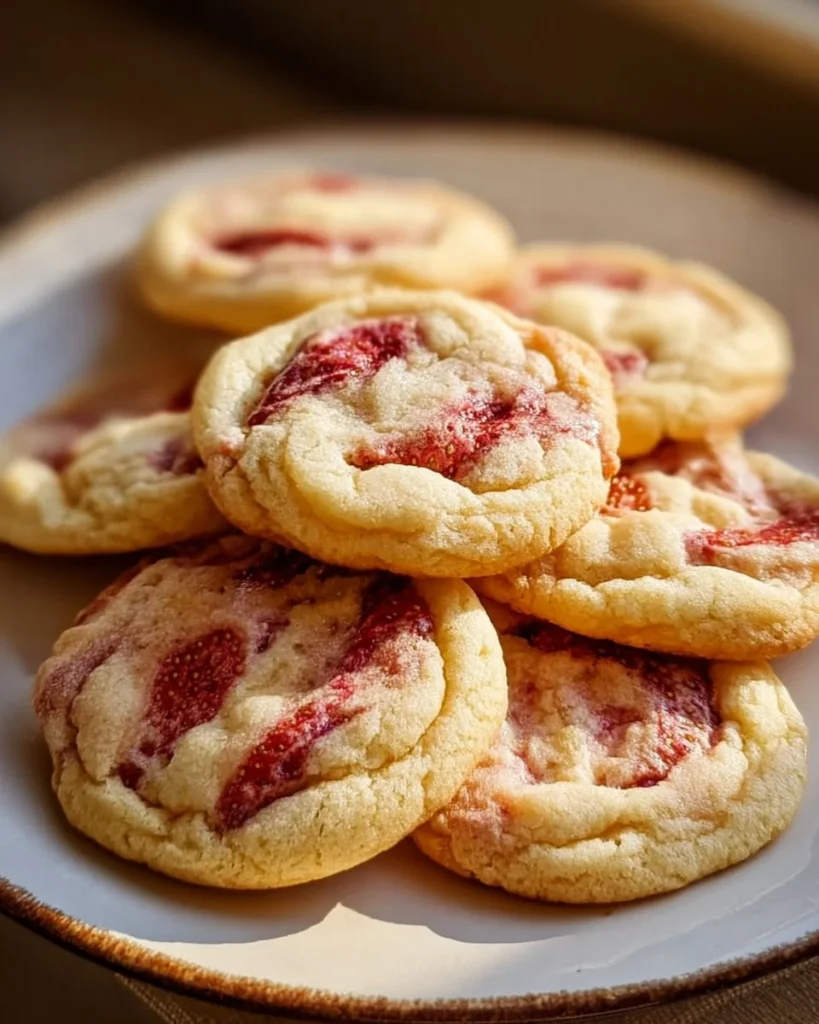
Ten ingredients with only a cup of flour, which is half what the chocolate chip cookies use. Less flour means softer, and these are deliberately on the cakey side. View the full recipe — 27 minutes, makes 24
Ricotta Cannoli Cookies with Butter and Vanilla
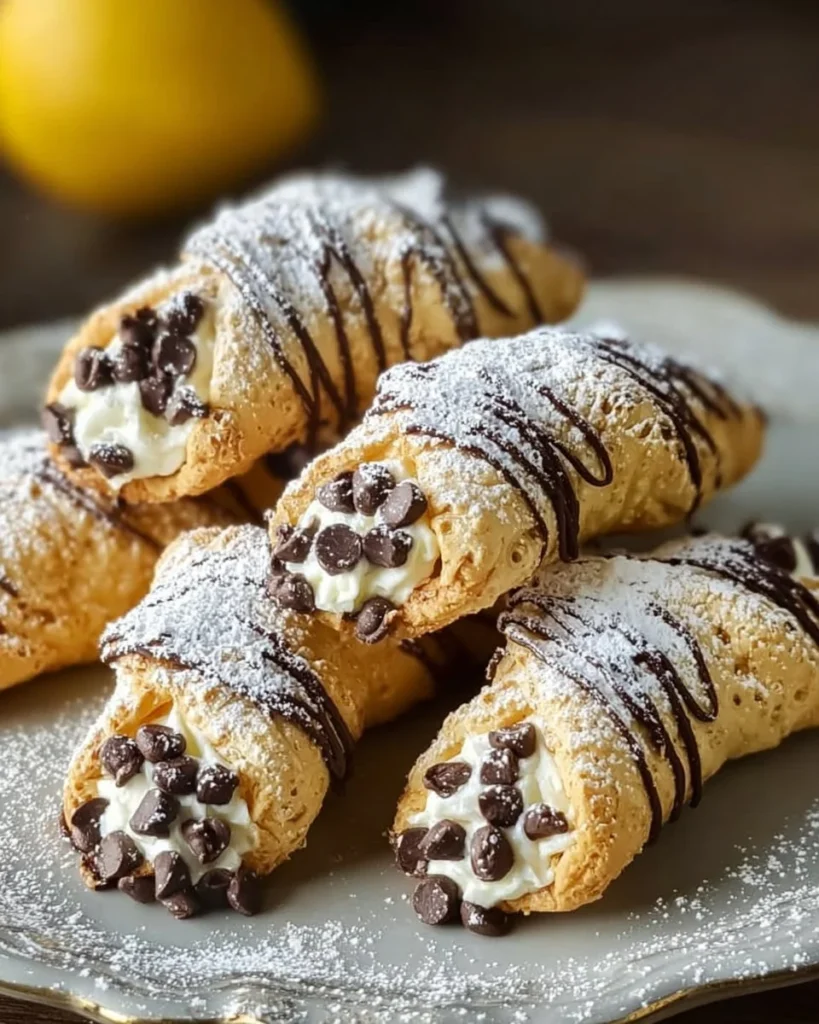
A full cup of ricotta in the dough with butter and vanilla, eight ingredients. Ricotta cookies are an Italian-American tradition and they are nothing like a drop cookie — closer to a tiny cake. View the full recipe — 30 minutes, makes 24
Cream Cheese Strawberry Cookies with Vanilla
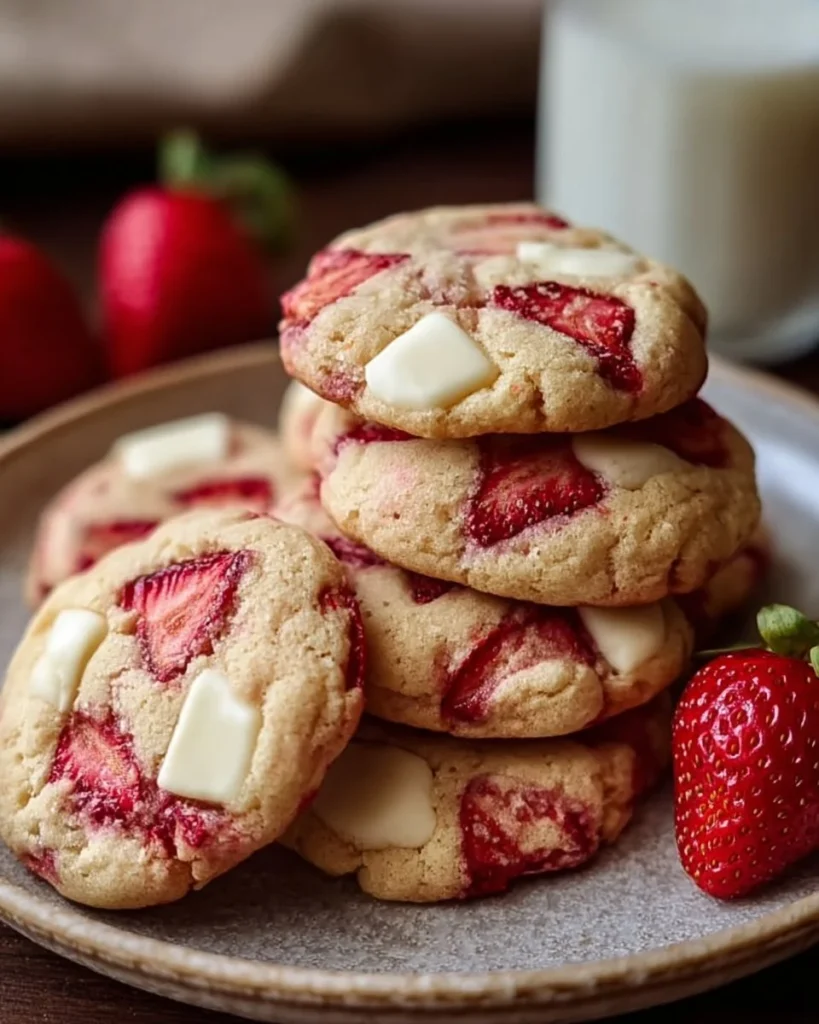
Nine ingredients with baking powder rather than soda, which gives lift instead of spread. Makes 12 rather than 24, so these come out larger. View the full recipe — 30 minutes, makes 12
No Bake and Edible Dough
Three that never see an oven. The first takes 20 minutes and is the fastest recipe on this page.
No Bake Chocolate Oatmeal Cookies

Butter, sugar, cocoa, oats and three more — seven ingredients boiled on the stovetop and dropped onto parchment. Twenty minutes and it makes 20. View the full recipe — 20 minutes, makes 20
Hazelnut Chocolate No Bake Cookies

The same stovetop method with chocolate hazelnut spread, eight ingredients. Makes 24, and they set firm on the counter in about 20 minutes. View the full recipe — 30 minutes, makes 24
Edible Chocolate Chip Cookie Dough with Heat Treated Flour

Eight ingredients with the flour heat treated first, which is the step that makes it safe rather than optional. No eggs at all, and it serves 6. View the full recipe — 30 minutes, serves 6
Gluten Free and Lower Carb
Three that swap out wheat flour. Coconut flour behaves nothing like a one-to-one gluten free blend, so these are not interchangeable.
Chewy Gluten Free Chocolate Chip Cookies with Melted Butter
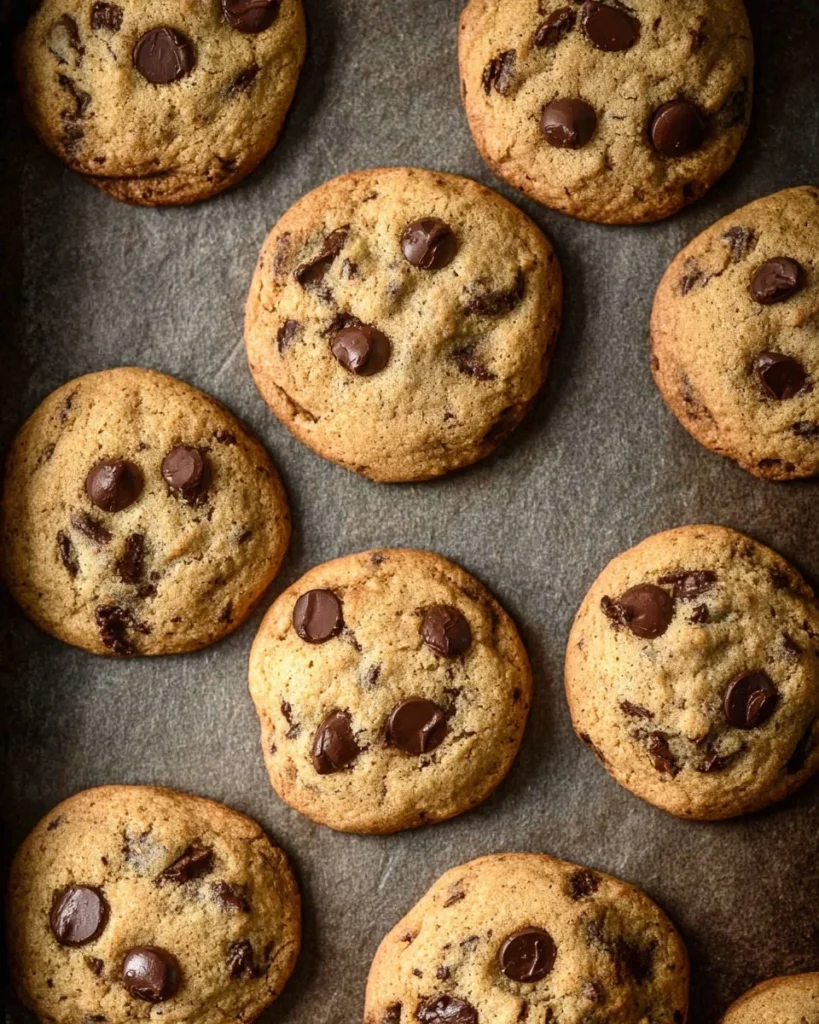
Melted butter rather than creamed, ten ingredients, and it makes 12 larger cookies. Melted butter is the right choice in gluten free baking because there is no gluten network to aerate. View the full recipe — 26 minutes, makes 12
Gluten Free Chocolate Chunk Cookies
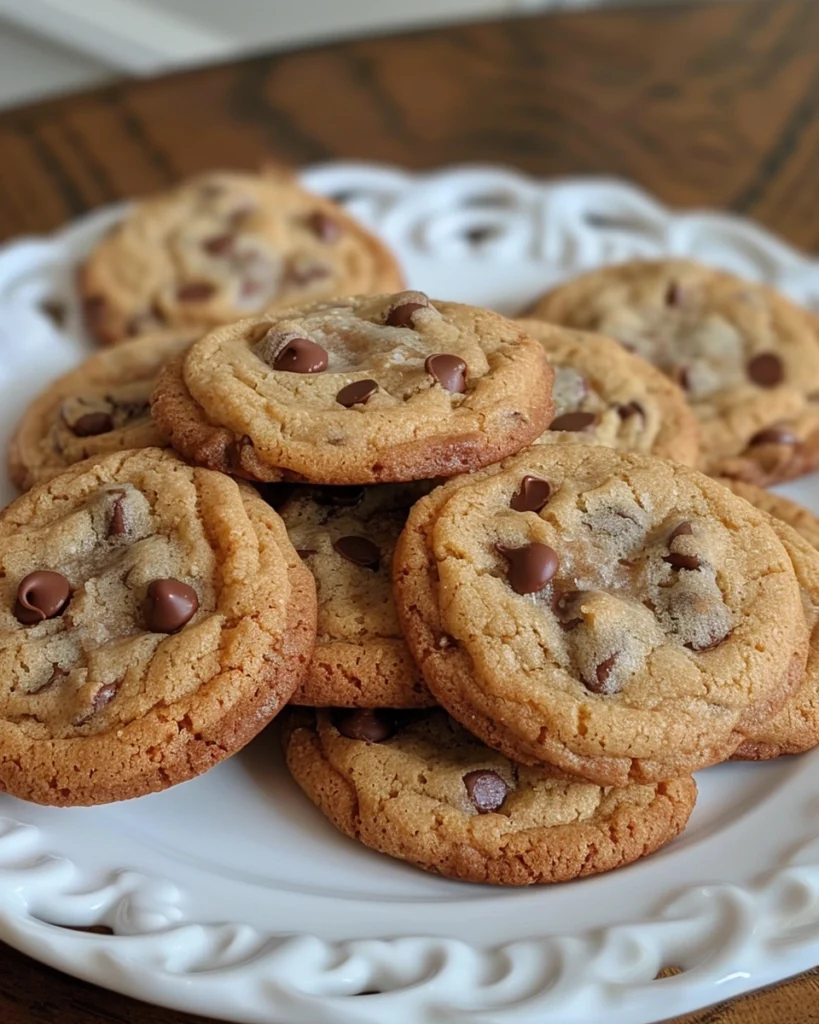
One and two-thirds cups of a gluten free all purpose blend, nine ingredients, makes 24. The straightforward swap, and the blend does the work. View the full recipe — 27 minutes, makes 24
Chocolate Chip Coconut Flour Cookies
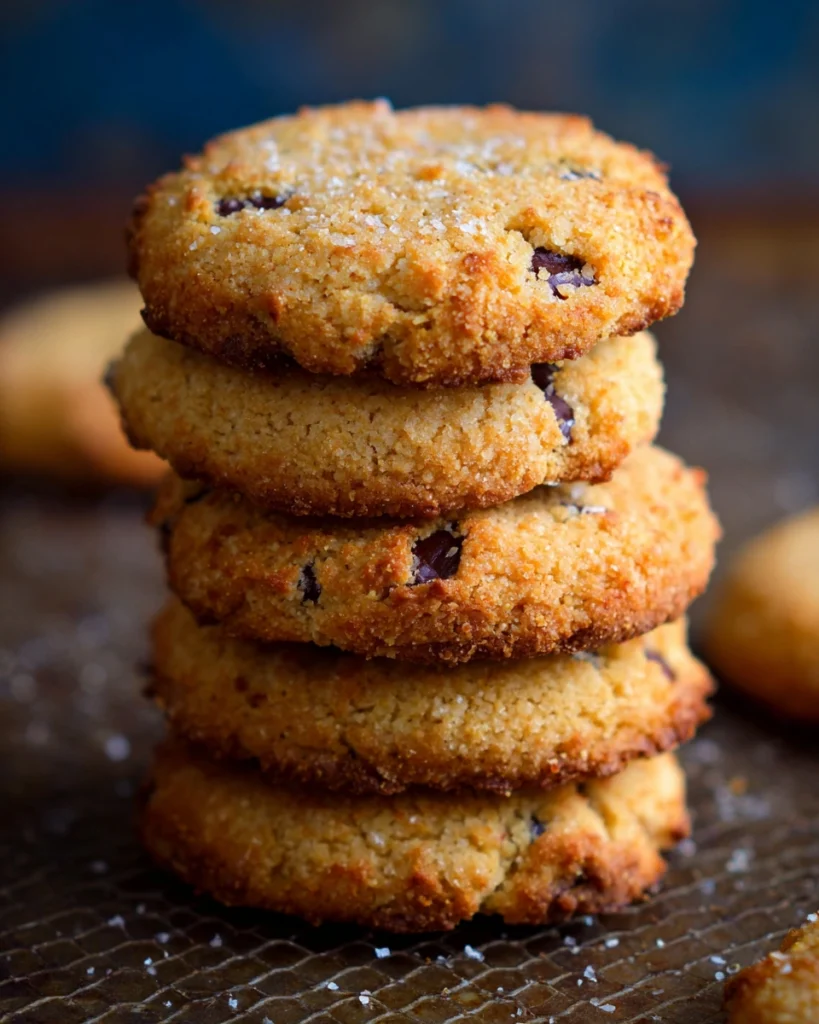
Only half a cup of coconut flour for 12 cookies, because coconut flour absorbs roughly four times what wheat flour does. Eight ingredients, and it is the lowest-carb cookie here. View the full recipe — 27 minutes, makes 12
Before You Choose Your Recipe
Three things decide how a cookie turns out, and none of them is the recipe. The first is the temperature of the butter: melted gives you chew and spread, softened and creamed gives you lift and a cakier crumb, and butter that has gone soft in a warm kitchen gives you flat puddles. The second is chilling — 30 minutes in the refrigerator firms the fat so the cookie sets before it spreads, and it deepens the flavour as the flour hydrates. The third is the pan: dough dropped onto a sheet still hot from the last batch starts melting before the oven does anything. Let it cool, or keep two pans going.
Cookie Questions
Why do my cookies spread flat?
Warm butter, nearly always. If the butter has gone past cool-room-temperature and into soft, the fat liquefies in the oven before the egg and flour have set any structure. Chill the shaped dough for 30 minutes and bake on a cool sheet. The other causes are too little flour — scoop and level rather than packing the cup — and over-creaming, which beats in air that collapses.
Should you chill cookie dough?
For almost everything here, yes, and 30 minutes is enough to see the difference. Chilling does three things: solidifies the fat so the cookie holds its shape, lets the flour fully hydrate, and concentrates flavour. The exceptions are the no-bake cookies and peanut butter doughs, which barely spread anyway.
Melted butter or softened butter?
They give different cookies, and neither is wrong. Melted butter makes a denser, chewier cookie because no air is beaten in — that is why the gluten free recipe above uses it. Softened butter creamed with sugar traps air and gives a lighter, cakier crumb. Swapping one for the other in a recipe written for the other is the most common reason a batch comes out unexpectedly.
Why are my cookies cakey when I wanted chewy?
Too much flour or too much leavening, usually. A heaped cup of flour can be 20 percent more than a levelled one, which pushes a chewy recipe into cake territory. More brown sugar and less white also makes a cookie chewier, because brown sugar holds moisture — the bittersweet chunk cookies above use that deliberately.
How do you keep cookies soft?
An airtight container with a slice of plain bread in it. The cookies draw moisture from the bread and stay soft for days. Beyond that, recipes built on brown sugar, oats, cream cheese, or ricotta stay soft on their own, which is why those two groups above hold better than the crisp chocolate chip ones.
Can you freeze cookie dough?
Yes, and it is worth doing. Scoop the dough into balls, freeze them solid on a tray, then bag them — they keep about three months. Bake straight from frozen and add two to three minutes. This also solves the chilling question permanently, since frozen dough never spreads too fast.
Is edible cookie dough actually safe?
Only if it is made for it, which means two changes. Raw flour is the real risk, not just the egg — the FDA has traced E. coli outbreaks to it, so the flour has to be heat treated before use. And there is no egg at all in a proper edible dough. The recipe above does both; ordinary cookie dough does neither.
More Cookies to Try
Five more from the archive, including two that start from a box.
- Fudgy Brownie Mix Cookies — five ingredients and 20 minutes
- Banana Bread Cookies — one ripe banana, six ingredients
- Maraschino Cherry Chocolate Chip Cookies — makes 24, good for a tray
- Strawberry Crunch Cookies with White Chocolate — sixteen ingredients, the most involved here
- White Chocolate Cranberry Cookie Mix in a Jar — layered dry as a gift
Browse all of our recipe collections.